News
Saudi Firm ACWA Power To Build 1.5 GW Wind Farm In Uzbekistan
The huge Kungrad Wind Farm will have an investment value of $2.4 billion, while offsetting 2.4 million tons of carbon annually.

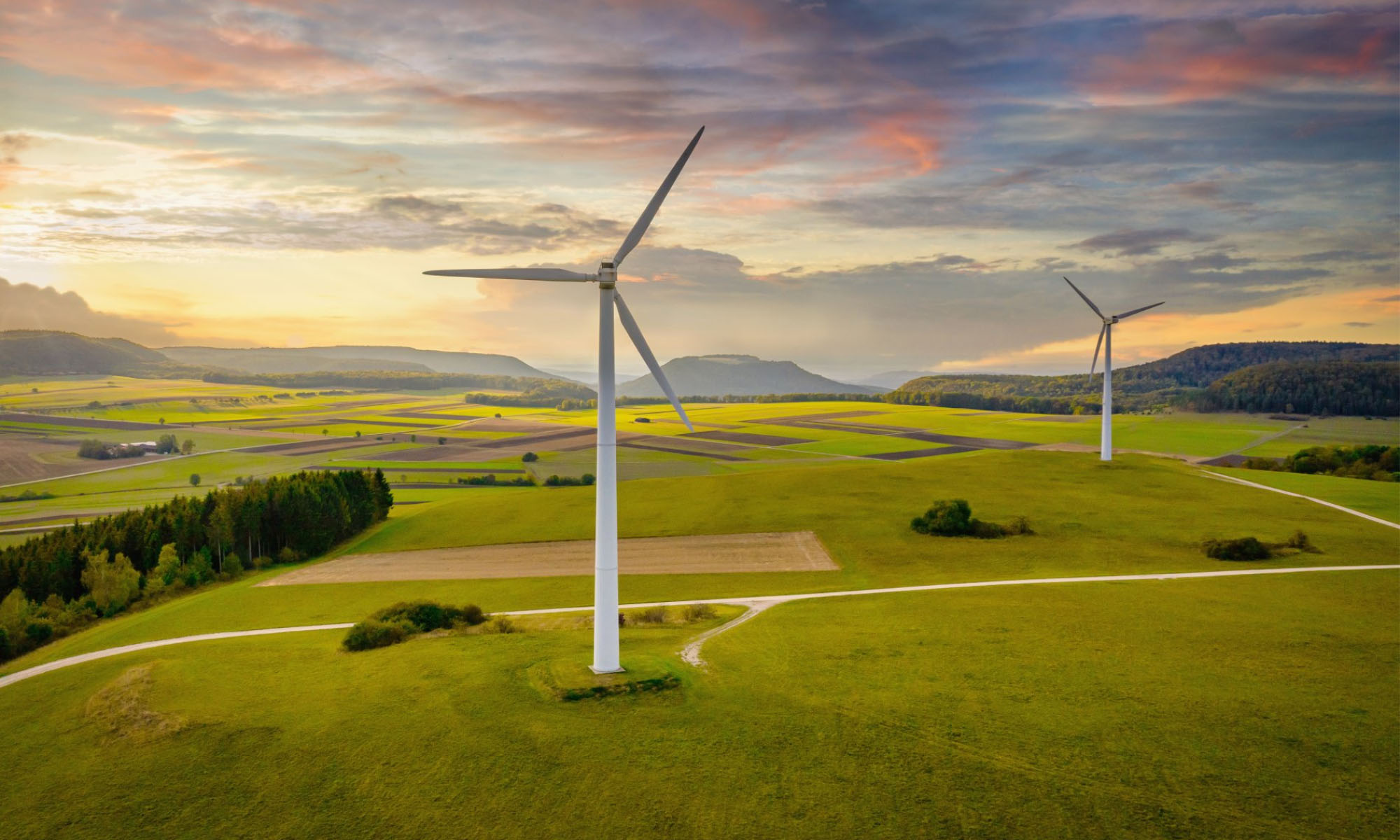
Like many countries worldwide, Uzbekistan is beginning to ramp up its clean energy efforts. As part of the nation’s plans to decarbonize, Saudi Arabian company ACWA Power has been tasked to build a 1.5-gigawatt power generation plant in Karakalpakstan, which will be named the Kungrad Wind Farm.
With purchase and investment agreements signed in August 2022, ACWA is now ready to start work on three separate 500-megawatt wind turbine projects on the Uzbek site, plus an additional 100-megawatt battery storage system. In total, the site is projected to have an investment value of $2.4 billion and will be the largest single-site wind farm in Central Asia.
The Kungrad Wind Farm will offset 2.4 million tons of carbon emissions annually and support a long-term Uzbek government strategy to diversify the country’s energy production, which also aims to add 8 gigawatts and 12 gigawatts of solar and wind capacity, respectively, by 2030.
Also Read: Dubai Financial Center Launches Digital Economy Court
“The development of green energy and market reform go hand in hand in Uzbekistan, and the Kungrad project is a milestone both for our wind industry and the new public-private partnership model […] The wind farm in Karakalpakstan, built by our reliable partner ACWA Power, will be another pillar of a sustainable and reliable energy system in Uzbekistan,” says Jurabek Mirzamakhmudov, Minister of Energy of Uzbekistan.
The project will be fully operational by 2027 when it will begin supplying energy to 1.65 million homes.
“The signing of key agreements today for the landmark Kungrad wind farm project, which will set a new benchmark for sustainable energy development in the region, would not have been possible without the guidance of our visionary leadership and the trust and commitment of our partners from the Uzbek government,” says Mohammad Abunayyan, Chairman, ACWA Power.
The 1.5-gigawatt Kungrad Wind Farm is ACWA Power’s fifth project in Uzbekistan. As part of the recently signed collaboration, the Saudi Arabian company will also construct several green hydrogen production plants in the Central Asian country, as Uzbekistan aims to lessen its reliance on natural gas.




News
Trip.com Is Betting An AI Agent Will Book Your Next Vacation
Abu Dhabi, Jazeera Airways and a run of hotel deals give the company more inventory. Its Mastercard demo says the most about where booking technology is headed.

Most of what Trip.com Group announced at Arabian Travel Market 2026 this week reads like the standard expansion playbook of an online travel agency: a new agreement with a tourism board, a run of hotel partnerships, an airline deal. However, one item was considerably more interesting: a demonstration built with Mastercard of an AI agent that doesn’t just suggest trips but also pays for them.

The showcase put TripGenie, the company’s AI travel assistant, to work searching, selecting and completing purchases inside a single booking flow, with Mastercard’s Agent Suite for Merchants handling the payment step and Network International processing the transactions on the merchant side. It’s limited for now to attractions and ancillary services, but the partners plan a phased commercial rollout from early 2027.
“As traveller expectations change, technology and AI will play an increasingly important role in how people plan their journeys,” says Schubert Lou, CEO of Trip.com.
Meanwhile, in more conventional news, CEO Lou and Saleh Mohamed Al Geziry (Director General for Tourism at the Department of Culture and Tourism – Abu Dhabi), signed an agreement building on the two organizations’ existing partnership, with joint marketing and Abu Dhabi destination content to be pushed across Trip.com Group’s platforms.
Also Read: Musk’s Boring Company Wants To Dig 150 KM Of Tunnel Under The UAE
On accommodation, the group expanded its partnerships with JA Hotels & Resorts, Ishraq Hospitality and Aleph Hospitality and deepened its work with Silkhaus, which brings vacation homes into a portfolio that has so far leaned on hotels. Jazeera Airways signed a strategic partnership intended to widen the Kuwaiti carrier’s reach and encourage earlier bookings, tied to Kuwait’s own tourism ambitions.
The company moved into a larger Dubai office earlier this year and describes its long-term aim as a two-way ecosystem: sending Middle East travelers abroad while drawing international visitors in.

Trip.com Is Betting An AI Agent Will Book Your Next Vacation

Meta’s New $499 Plan Puts A Price On Reaching A Real Person

OKX Bets Streaming Perks Can Take Crypto Mainstream Across MENA

Musk’s Boring Company Wants To Dig 150 KM Of Tunnel Under The UAE

Egypt’s Mobile Wallets Are Booming, But Cash Still Has Power

RØDE’s New DS3 Studio Arm Is Built For Heavier Creator Setups

Visa’s Return To Syria Starts With A Test And A Bank In Lebanon

Former Rockstar Director Dismisses GTA 6 Leaks As “Nothing Burger”

Dubai Turns AI On Its Own Civil Service To Measure Productivity