
News
Opera Enables Emoji-Only Web Addresses Provided By Yat
While longer addresses consisting of four or five emojis sell for as little as $4, it can cost hundreds of thousands of dollars to secure a memorable single-emoji URL.

If you have the latest version of the Opera web browser installed on your computer, go ahead and launch it.
Now, copy & paste 🌈🚀👽 into the address bar and press Enter. You should see a landing page belonging to Kesha, the American singer-songwriter.
You can also enter 👽🎵 to be redirected to the official website of Young Money Entertainment, the American record label founded by rapper Lil Wayne.
These emoji-only web addresses are the result of Opera’s partnership with Yat, a startup that sells URLs with emojis using its Y.at domain. Thanks to the partnership, Opera users now don’t have to enter “y.at” when visiting Yat’s emoji-only web addresses.
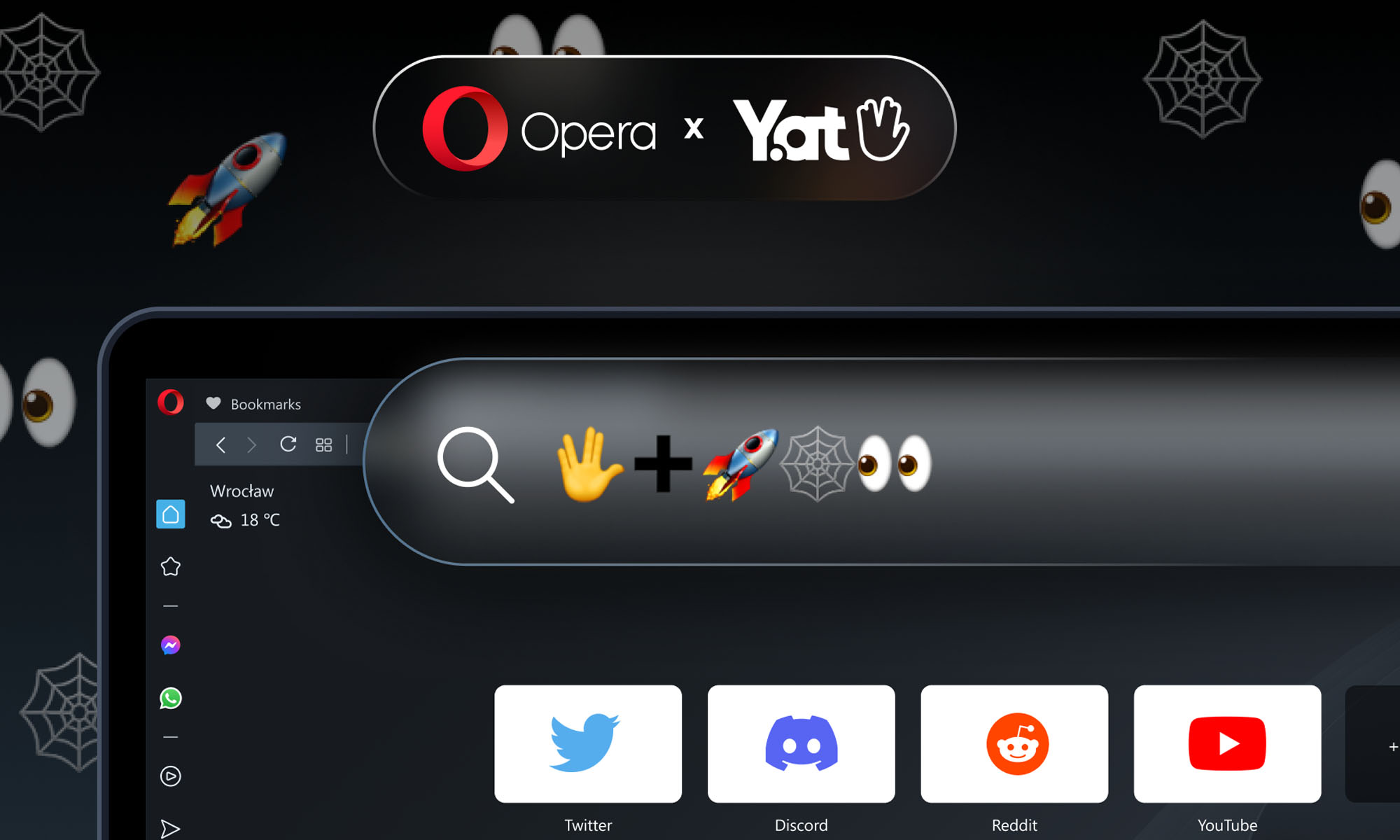
“The partnership marks a major paradigm shift in the way the internet works” said Jorgen Arnesen, the executive vice president of mobile at Opera. “It’s new, it’s easier, and more fun”.
It can also be pretty damn expensive. While longer addresses consisting of four or five emojis sell for as little as $4, it can cost hundreds of thousands of dollars to secure a memorable single-emoji URL.
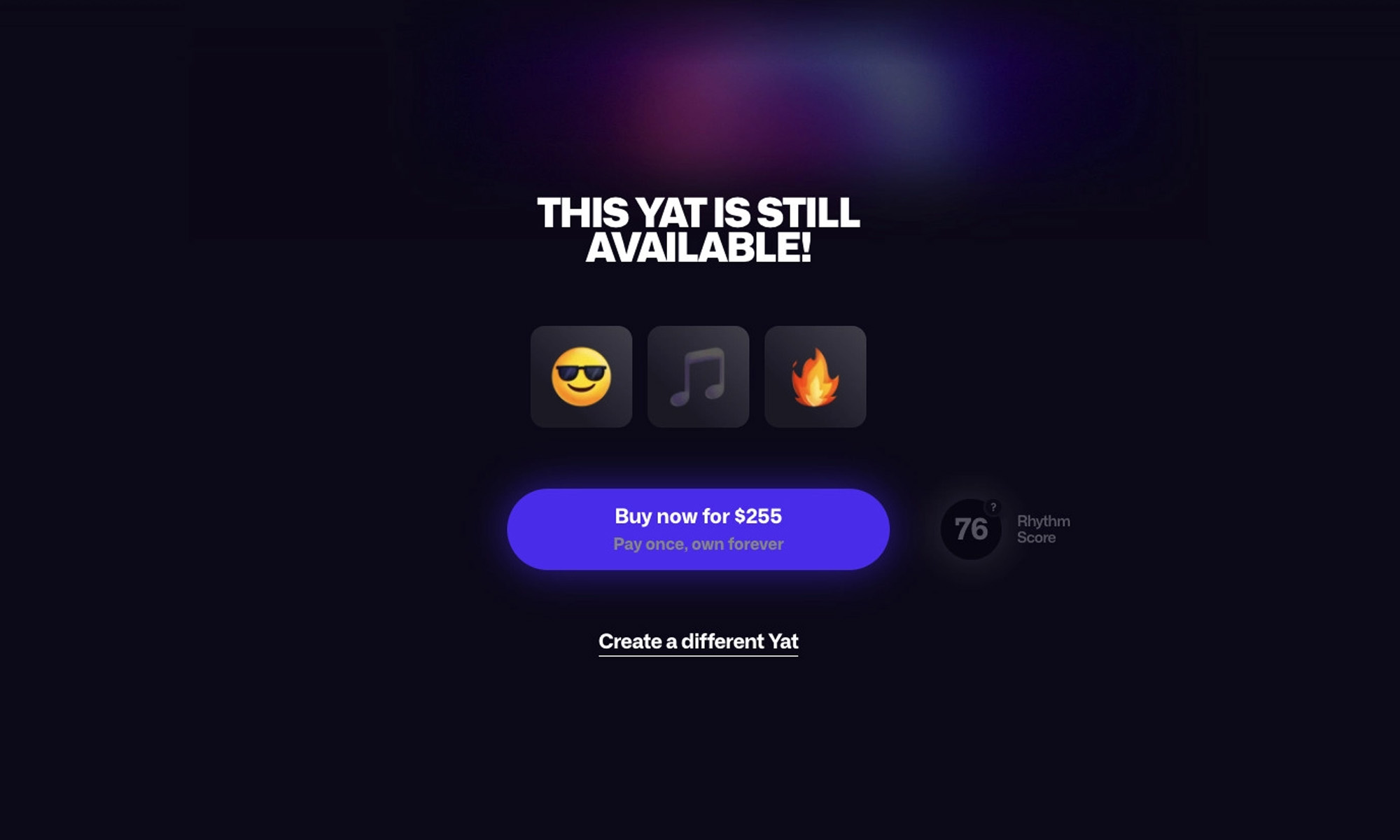
Why would anyone do that when it’s fairly easy to purchase a custom domain name that supports emojis and use it instead of the “y.at” domain? Because Yat’s CEO Naveen Jain has big plans for the startup.
Also Read: Fakespot Review: Easily Identify Fake Online Reviews
In the future, Jain would like Yat to become a self-sovereign company using blockchain technology to provide a decentralized alternative to the current domain name system (DNS).
“This is laying the foundation. There are certain elements of the vision that are certainly more of a social contract than actual implementation at this point in time” says Jain. “But this is the vision that we’ve set forth, and we’re working continuously towards that goal”.
In 2021, Yat sold almost $20 million worth of emoji identities, and the partnership with Opera could make 2022 sales figures even more impressive.

News
New Disney+ Streaming App Has Officially Launched In The UAE
The app’s recommendations now factor in what’s popular in the UAE, and a dedicated Junior Mode gives kids their own corner of Disney+.

A new Disney+ app has officially launched in the UAE, and subscribers can now keep watching their favorite titles when they travel. Disney+ says access extends across supported markets in Europe, the United States and beyond.
The app is built around a dynamic homepage and simpler navigation, with recommendations drawn from each customer’s viewing habits and what’s popular in the UAE. Content from Hulu and ESPN is now easier to find alongside Disney+’s own library, the company says. Audio and subtitles come in up to 25 languages, and supported devices get high-quality video and sound.
For families, the app includes Junior Mode, a dedicated, simplified version of Disney+ for younger viewers, built around age-appropriate shows and movies. It sits alongside existing controls such as PIN-protected profiles, customizable content ratings and account notifications when a profile is changed.
The catalog still spans Disney, Pixar, Marvel, Star Wars, National Geographic, Hulu and FX. Returning series include Season 8 of “The Kardashians,” Season 23 of “Grey’s Anatomy” and Season 38 of “The Simpsons”. Also on the service are the second season of International Emmy and BAFTA Award-winning series “Rivals,” comedy “Only Murders in the Building,” Walt Disney Animation Studios’ “Zootropolis 2” and 20th Century Studios’ “Send Help”.
Also Read: Best Video Streaming Services In The Middle East
Marvel Television’s “VisionQuest” is on the way, and Disney’s live-action “Moana” is due later this autumn. Beyond Hollywood, the Turkish title “Halef” is coming to the platform alongside a lineup of Korean entertainment: Korean-Japanese romantic comedy “Merry Berry Love” is streaming now, and “The Remarried Empress” arrives November 4.
Existing subscribers will be prompted to download the new app and sign in with their current credentials, with on-screen steps covering account confirmation and profile setup. Subscriptions start at AED 49.99 per month and can be canceled at any time.
For UAE subscribers planning to travel, the update will likely be well received, but Disney has left one question open. It confirms Europe and the United States as supported markets but doesn’t yet say which others fall under and beyond.

New Disney+ Streaming App Has Officially Launched In The UAE

Dubai Says Its Deepfake Detector Needs Just 7 Seconds Of Video

OpenAI Has Announced A Visual Ad Format For ChatGPT

For etisalat, More Bandwidth Is A Matter Of Digital Sovereignty

NEOPAY Wants To Follow Merchants Across Channels And Borders

Trip.com Is Betting An AI Agent Will Book Your Next Vacation

Musk’s Boring Company Wants To Dig 150 KM Of Tunnel Under The UAE

OKX Bets Streaming Perks Can Take Crypto Mainstream Across MENA

Meta’s New $499 Plan Puts A Price On Reaching A Real Person

Apple’s First Folding iPhone Arrives Late To A Shrinking Market


-
 News3 weeks ago
Trip.com Is Betting An AI Agent Will Book Your Next Vacation
-
 News4 weeks ago
Musk’s Boring Company Wants To Dig 150 KM Of Tunnel Under The UAE
-
 News3 weeks ago
OKX Bets Streaming Perks Can Take Crypto Mainstream Across MENA
-
 News3 weeks ago
Meta’s New $499 Plan Puts A Price On Reaching A Real Person