
News
Ripple Gains DFSA License To Offer Crypto Payments In Dubai
The company is now the first blockchain-powered payments provider licensed by the Dubai Financial Services Authority.

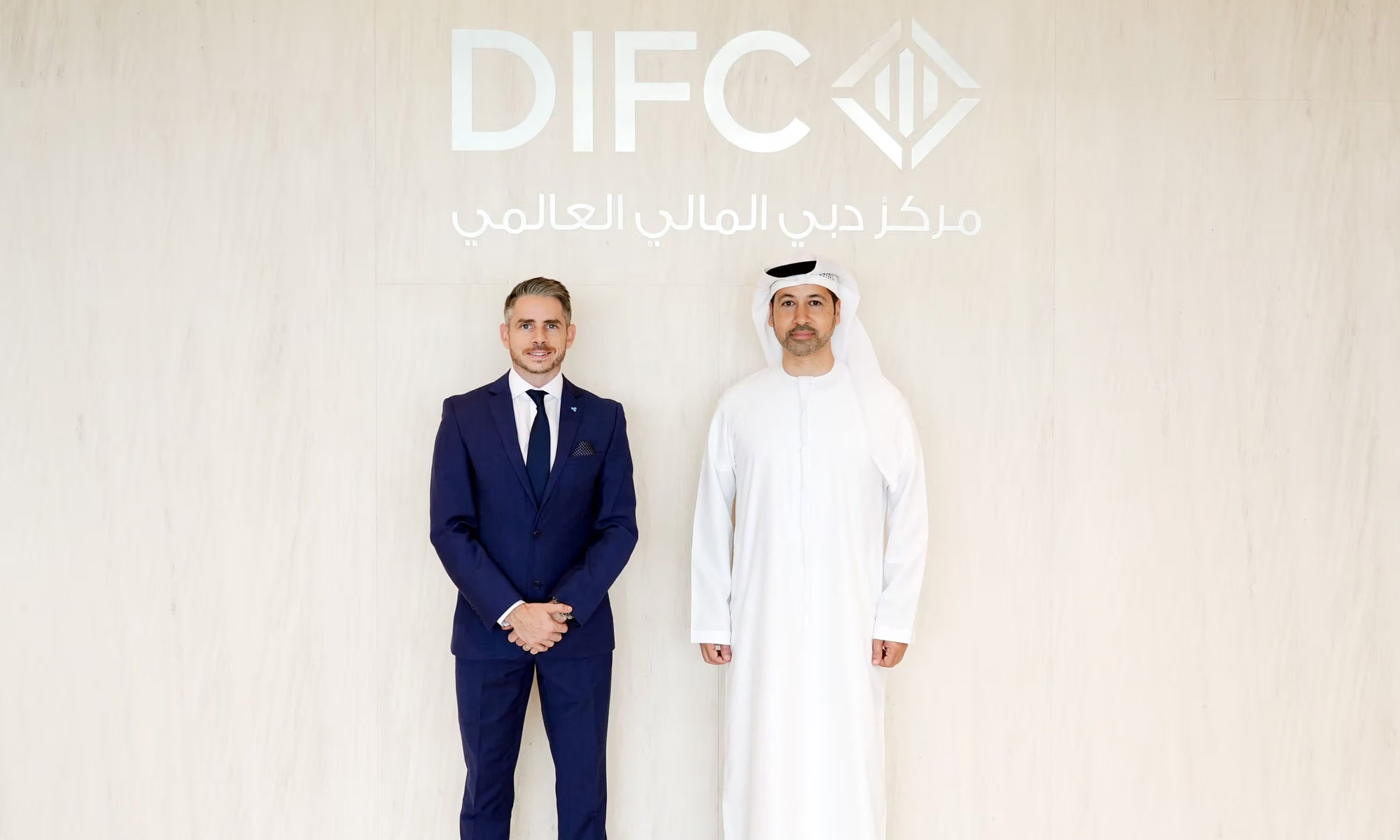
Digital asset infrastructure provider Ripple has secured a license from the Dubai Financial Services Authority (DFSA) to become the first regulated crypto payment services provider within the Dubai International Finance Center (DIFC).
This milestone marks Ripple’s debut regulatory approval in the Middle East. With the new license, businesses in the UAE can now access Ripple’s enterprise-focused payment solutions, further solidifying the company’s reputation as a reliable partner for financial institutions looking to harness the potential of digital assets for real-world applications.
“We are entering an unprecedented period of growth for the crypto industry, driven by greater regulatory clarity around the world and increasing institutional adoption,” said Ripple CEO Brad Garlinghouse. “Thanks to its early leadership in creating a supportive environment for tech and crypto innovation, the UAE is exceptionally well-placed to benefit”.
Ripple has witnessed growing interest across the Middle East from both crypto-native businesses and traditional financial institutions, all eager to address the challenges of conventional cross-border payments — namely high fees, slow transaction times, and limited transparency.
His Excellency Arif Amiri, CEO of DIFC Authority, commented, “We are thrilled that Ripple is deepening their commitment to Dubai by securing a DFSA license that makes them the first blockchain-enabled payments provider in DIFC. This milestone not only highlights our commitment to fostering innovation but also opens the door for Ripple to tap into new growth opportunities across the region and beyond”.
Also Read: Vernewell UK: Forging The Future Of Intelligence, Quantum, And AI
With roughly 20% of Ripple’s global customer base operating in the region, regulatory approval further positions the platform for accelerated growth in a market that’s already highly receptive to crypto adoption. In fact, more than 80% of finance leaders in the MEA region have expressed strong confidence in integrating blockchain technology into their operations.
“Dubai and the broader UAE have established themselves as leaders in fostering a progressive and well-defined regulatory framework for digital assets,” said Reece Merrick, Ripple’s Managing Director for the Middle East and Africa. “Securing this DFSA license is a major milestone that will enable us to better serve the growing demand for faster, cheaper, and more transparent cross-border transactions in one of the world’s largest cross-border payments hubs”.
Ripple’s DFSA license is the latest addition in a comprehensive list of worldwide regulatory approvals, joining the company’s Major Payments Institution license from the Monetary Authority of Singapore (MAS), a Trust Charter from the New York Department of Financial Services (NYDFS), a Virtual Asset Service Provider (VASP) registration from the Central Bank of Ireland, and Money Transmitter Licenses (MTLs) across multiple U.S. states.



News
Visa’s Return To Syria Starts With A Test And A Bank In Lebanon
Foreign visitors will be the first users to benefit, but whether Syria’s own banks and cardholders follow is still an open question.

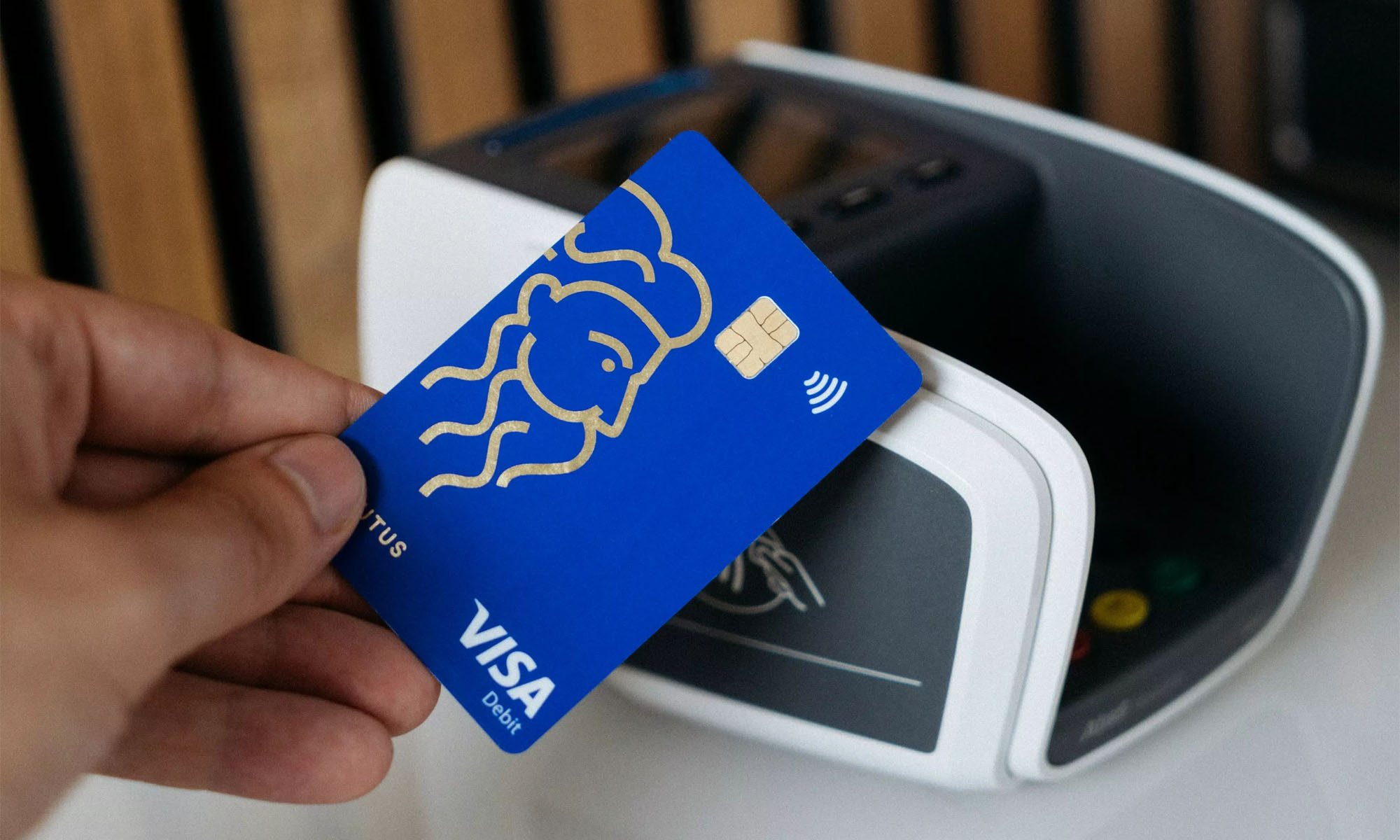
Visa is returning to Syria. Its first live international card transaction in the country was a test rather than a launch, and the milestone event ran through a Lebanese bank.
The acquirer (the bank on the merchant’s side of a card payment) was Fransabank Lebanon, with Paymera as the other named partner. Nadim Moujaes, who heads a Fransabank Group subsidiary, describes the test as both the culmination of “longstanding efforts to link Syria back to international payment networks” and “the first step in a larger path”.
Syrian President Ahmed Al-Sharaa makes the first electronic payment in Syria using a @Visa card at a store in Damascus, following the lifting of US sanctions on Syria. pic.twitter.com/lpAN7nQ6Fc
— Tech Magazine (@TechMGZN) August 27, 2026
“We are excited to have successfully tested live transactions today as we plan to enable international visitors to use their Visa cards while in Syria,” says Leila Serhan, Visa’s senior vice president and group country manager for the North Africa, Levant and Pakistan region. Although a significant first step, that plan doesn’t come with a hard date for when a visitor’s card will work normally.
Mohammed Safwat Raslan, governor of the Central Bank of Syria, says the test paves the way for international card acceptance in Syria and that maintaining strong compliance, risk management and operational controls will remain essential. Serhan likewise stresses that Visa has worked within applicable legal, regulatory and compliance requirements. For a test transaction, it seems there was a great deal of attention paid to the rules, with the entire operation being carefully managed.
Also Read: Lebanon’s 5G Era Begins With 150 Stations And A $1M Budget
The test is the latest step in a sequence that began in December 2025, when Visa announced a strategic roadmap to support Syria’s integration into the global digital economy. In February 2026 it hosted its first industry gathering of banks, ecosystem partners and policymakers in Damascus and, the same month, signed an agreement with Syria’s Ministry of Communications and Information Technology in San Francisco.
Michel Kattouah, Paymera’s CEO, called the test “the return of international card acceptance,” but while that’s positive news, there’s no word yet on when a Syrian bank will issue a Visa card to a Syrian customer.

Visa’s Return To Syria Starts With A Test And A Bank In Lebanon

RØDE’s New DS3 Studio Arm Is Built For Heavier Creator Setups

Dubai Turns AI On Its Own Civil Service To Measure Productivity

Former Rockstar Director Dismisses GTA 6 Leaks As “Nothing Burger”

Qatar Airways Flies The World’s First Starlink-Equipped 787-9

Spotify Will Now Tell You If Your Favorite Artist Isn’t Real

Instagram Redraws Its Wordmark And The Internet Reads “Instagzam”

Anghami’s New Elite Program Starts With A Three-Decade Catalog

Qatar Is Getting Its First EV Plant, Built To Cope With Gulf Heat

Dubai’s aradus Wants AI To Run The Back Office Of Physical Trade


-
 News3 weeks ago
Instagram Redraws Its Wordmark And The Internet Reads “Instagzam”
-
 News3 weeks ago
Anghami’s New Elite Program Starts With A Three-Decade Catalog
-
 News3 weeks ago
Qatar Is Getting Its First EV Plant, Built To Cope With Gulf Heat
-
 News3 weeks ago
Dubai’s aradus Wants AI To Run The Back Office Of Physical Trade