
News
Riyadh Is Hosting The Ultimate Hack Fest At Black Hat MEA
Tickets are now available for the most eagerly awaited cybersecurity event in the Middle East, which takes place in Riyadh from 15-17th November 2022.

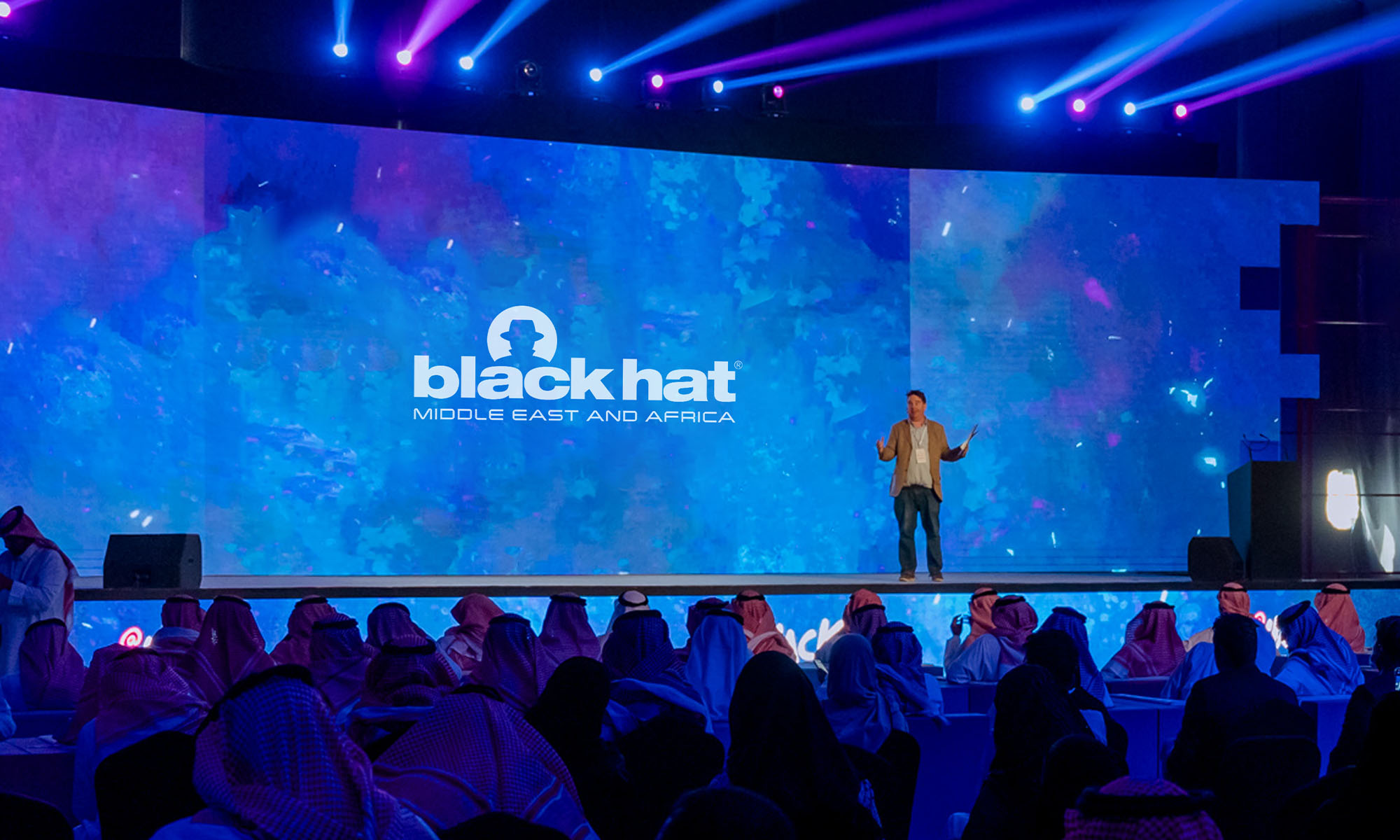
The Saudi Arabian capital of Riyadh will be home to the most respected information security event in the world this November, as Black Hat opens its doors to InfoSec heavyweights, as well as offering speaking sessions and 23 training programs to excited visitors.
The 3-day event will take place between the 15th and 17th of November and will host 250 exhibitors and over 200 speakers, with tech experts from Cisco, IBM, Spire and Infoblox all attending.
The event results from a partnership between the Saudi Federation of Cybersecurity, Programming and Drones (SAFCSP), and events company Informa Markets. It will highlight the Kingdom’s growth in cybersecurity and modern digital technology.
“Black Hat MEA is a powerful indicator of our intentions within the cybersecurity space. This partnership will spark innovation, supercharge our capacity building and develop investment opportunities which we are excited to share with the world in November,” says Faisal Al-Khamisi, Chairman, SAFCSP.
So what can event goers expect from Black Hat Riyadh?
- Speakers: An exciting line-up of world-renowned experts from leading companies, including CISOs of Equifax, Boom Supersonic and Lufthansa, SolarWinds and more. The event will also welcome David Colombo, the teen tech genius who hacked Tesla cars.
- Training: 23 training sessions specially developed for the event by 30 Black Hat-approved trainers will take place in a hands-on environment. Training partners include Offensive Security, we45, Orange Cyberdefense and Madiant.
- Executive Summit: An exclusive conference featuring over 200 leaders in information security, including senior decision-makers in charge of implementing security strategies.
- Arsenal: A developer space where the latest open-source software, tools and products will be showcased, along with hands-on experience from owners and experts.
- Briefings: InfoSec gurus will present research on the latest industry trends, hacking tools and security vulnerabilities.
- Capture The Flag: A jeopardy-style hacking tournament will take place, with over 1,000 participants joining the game to enhance their hacking skills at various difficulty levels for a piece of the SAR 700,000 prize fund.
Other competitions at Black Hat MEA include the Bug Bounty Cup, with a prize fund of SAR 300,000, and a startup competition featuring judges, angel investors and government stakeholders for a cash prize of SAR 90,000. The event looks set to be an exciting addition to the region’s expo calendar, so head over to the Black Hat site and get your tickets early!




News
Microsoft Plans $10 Billion-Plus Gulf Expansion Despite Iran Conflict
Security is shaping Microsoft’s approach, from resilience work with governments to what it will say about how the money splits by country.
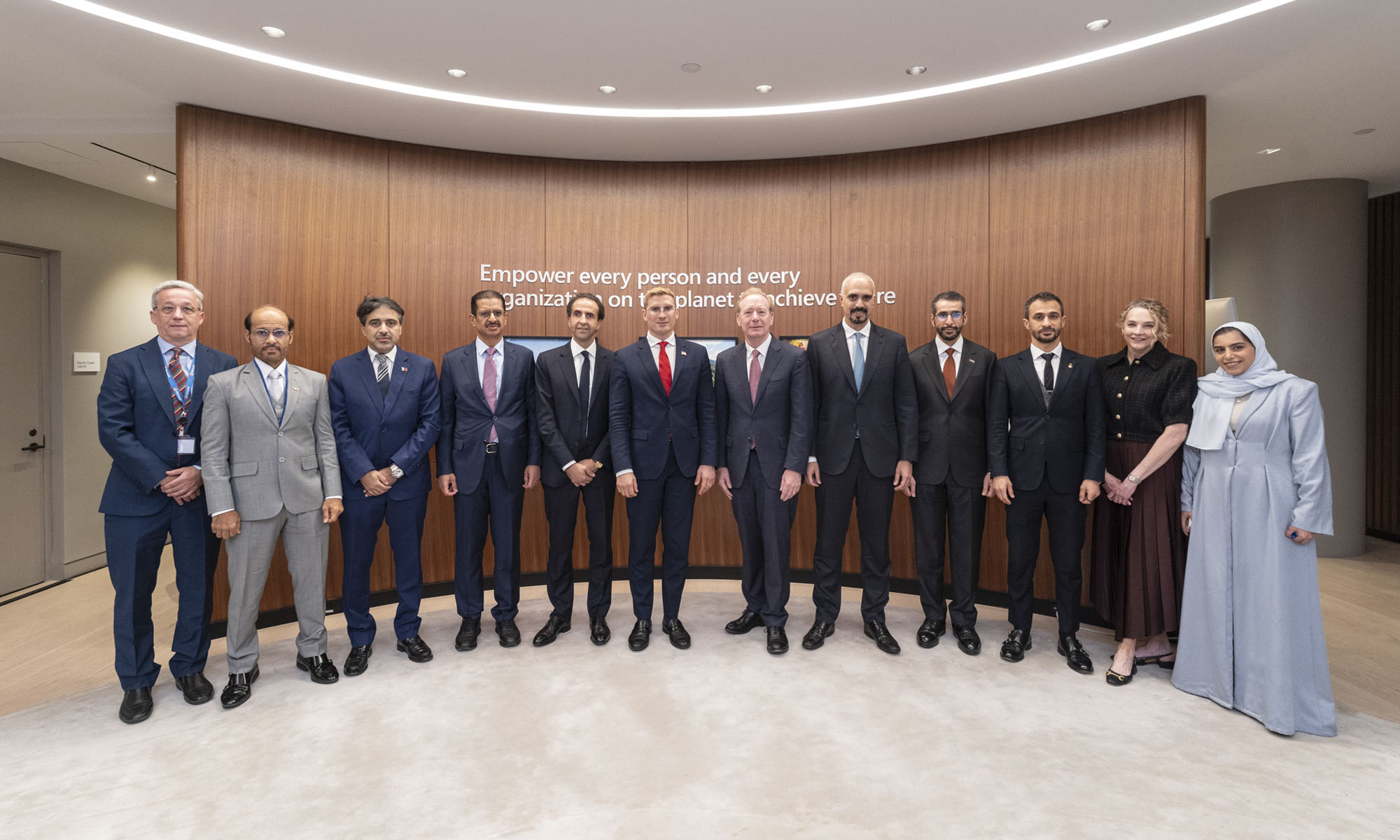
Microsoft is planning more than $10 billion of investment across the UAE, Saudi Arabia, Qatar and Kuwait through 2030, Vice Chair and President Brad Smith told Reuters, calling the spending schedule aggressive. The Iranian conflict that began on February 28 has not persuaded the company to scale back.
“We’re sustaining all the investments we planned to make before this conflict started, and we are in fact adding to them,” Smith said. The $10 billion-plus total does not, however, show how large those additions are.
The investment, which Smith described as part of Microsoft’s continued infrastructure expansion, is aimed at cloud and AI infrastructure and at the company’s growing regional operations. Microsoft also intends to put more than $400 million into subsea and terrestrial connectivity across the Middle East by 2030.
The spending fits the region’s own ambitions too. Gulf governments have been investing heavily in AI infrastructure as part of a push to diversify their economies beyond oil and gas and turn themselves into global technology hubs. Major cloud and AI providers have been drawn in part by the land and relatively low-cost energy on offer.
Microsoft is widening its partnerships with regional AI companies, though not on identical terms. In 2024, it invested $1.5 billion in Abu Dhabi-based G42 for a minority stake, and Smith currently sits on G42’s board. Saudi Arabia’s Humain and Qatar’s Qai are working with Microsoft on selected priority areas, but Smith said the company does not plan to make capital investments in either.
Also Read: Egypt’s Mobile Wallets Are Booming, But Cash Still Has Power
The conflict has added another strand to Microsoft’s work in the region. Since it began, Smith said, the company has supported regional partners with digital resilience assessments, and it is now working with Gulf countries through a digital resilience initiative focused on preparedness and the protection of critical data.
So far, the company has given no country-by-country breakdown of the investment, citing security among other factors. So while the headline figure is public, how Microsoft divides the spending among the four countries is not.

Microsoft Plans $10 Billion-Plus Gulf Expansion Despite Iran Conflict

In Kuwait, Your Surgeon Might Be Operating From Another Country

Qatar Folds 45 State Companies Into A Single Investment Platform

Trip.com Is Betting An AI Agent Will Book Your Next Vacation

Meta’s New $499 Plan Puts A Price On Reaching A Real Person

Apple’s First Folding iPhone Arrives Late To A Shrinking Market
Trip.com Is Betting An AI Agent Will Book Your Next Vacation

Egypt’s Mobile Wallets Are Booming, But Cash Still Has Power

OKX Bets Streaming Perks Can Take Crypto Mainstream Across MENA

Musk’s Boring Company Wants To Dig 150 KM Of Tunnel Under The UAE


-
 News3 weeks ago
Apple’s First Folding iPhone Arrives Late To A Shrinking Market
-
 News2 weeks ago
Trip.com Is Betting An AI Agent Will Book Your Next Vacation
-
 News2 weeks ago
Egypt’s Mobile Wallets Are Booming, But Cash Still Has Power
-
 News2 weeks ago
OKX Bets Streaming Perks Can Take Crypto Mainstream Across MENA