
News
UAE Startup Dukkantek Raises $10 Million In Funding
The digital storefront management platform for retailers hopes to expand its service to North Africa after a successful round of funding.

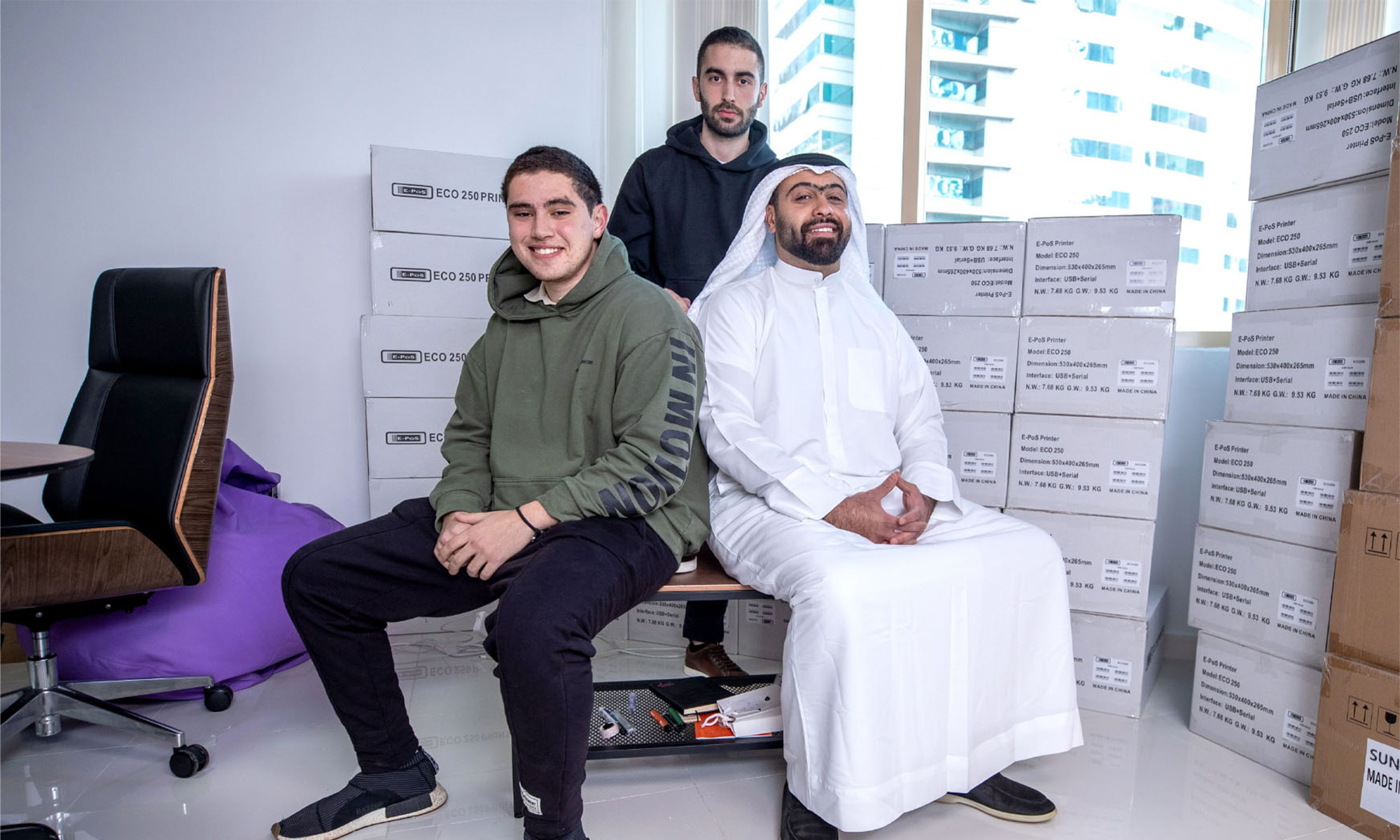
A technology startup in the United Arab Emirates, known as Dukkantek, has recently raised $10 million in funding, helping the company to get closer to its aim of expanding into new markets and improving core technologies.
The latest round of funding, which venture capital company Beco Capital led, included additional participation from Colle Capital, Rocketship, Comma Capital, Chaos Ventures, AMK Investment Office, and Wamda Capital.
The funding boost will help Dukkantek more easily expand globally by improving the firm’s technology and enabling them to hire more talent. The store management platform raised $5.2 million last October, taking the total investment figure to $15.2 million.
“We are pleased to have witnessed an exponential growth of our company as we provide a technological solution to SME businesses across the world. This second round of funding comes at the perfect time as we are looking to explore growth in additional markets, increase our team size and further advance our technology,” says Dukkantek co-founder, Sanad Yaghi.
Dukkantek was founded in January 2021 and provides a digital storefront management platform that allows retailers to offer advanced point of sale systems that can be accessed online from any location in the world, using the power of cloud computing.
Also Read: Farfetch Aims To Bring Web3 To The World Of Fashion
The Middle East’s eCommerce market is expected to reach $49 billion by 2025, representing a 55% increase from 2021, with the United Arab Emirates alone forecast to grow 60% to more than $8 billion by 2025.
“Launching seven countries in 18 short months since founding is no easy feat, yet the Dukkantek team has managed to do it in such a seamless and capital-efficient manner,” says Abdulaziz Al Sagha, venture partner at Beco Capital.
Dukkantek, named after the Arabic word for corner shop, already supports 13 million small and medium-sized businesses across the Middle East and soon hopes to expand operations to North Africa.

News
Visa’s Return To Syria Starts With A Test And A Bank In Lebanon
Foreign visitors will be the first users to benefit, but whether Syria’s own banks and cardholders follow is still an open question.

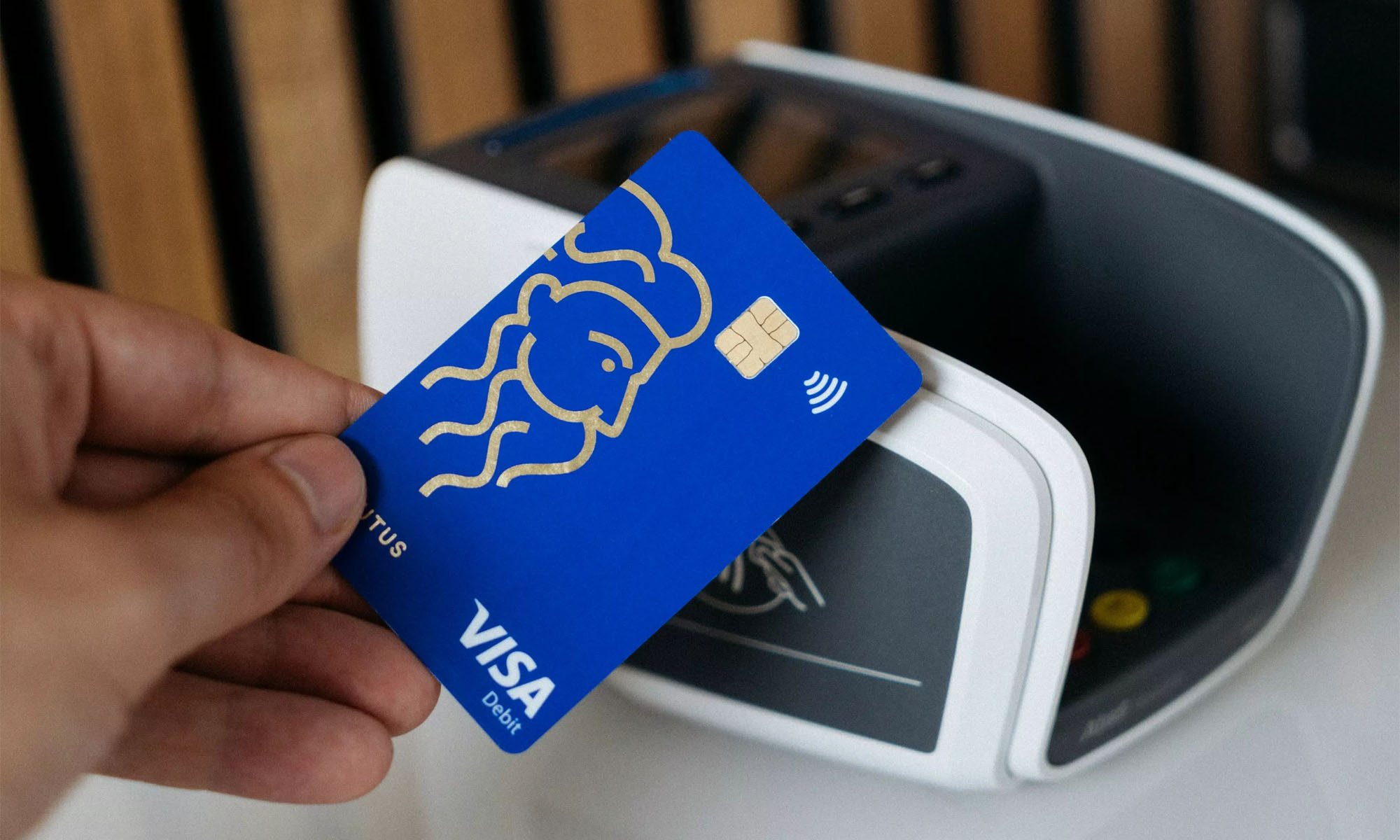
Visa is returning to Syria. Its first live international card transaction in the country was a test rather than a launch, and the milestone event ran through a Lebanese bank.
The acquirer (the bank on the merchant’s side of a card payment) was Fransabank Lebanon, with Paymera as the other named partner. Nadim Moujaes, who heads a Fransabank Group subsidiary, describes the test as both the culmination of “longstanding efforts to link Syria back to international payment networks” and “the first step in a larger path”.
Syrian President Ahmed Al-Sharaa makes the first electronic payment in Syria using a @Visa card at a store in Damascus, following the lifting of US sanctions on Syria. pic.twitter.com/lpAN7nQ6Fc
— Tech Magazine (@TechMGZN) August 27, 2026
“We are excited to have successfully tested live transactions today as we plan to enable international visitors to use their Visa cards while in Syria,” says Leila Serhan, Visa’s senior vice president and group country manager for the North Africa, Levant and Pakistan region. Although a significant first step, that plan doesn’t come with a hard date for when a visitor’s card will work normally.
Mohammed Safwat Raslan, governor of the Central Bank of Syria, says the test paves the way for international card acceptance in Syria and that maintaining strong compliance, risk management and operational controls will remain essential. Serhan likewise stresses that Visa has worked within applicable legal, regulatory and compliance requirements. For a test transaction, it seems there was a great deal of attention paid to the rules, with the entire operation being carefully managed.
Also Read: Lebanon’s 5G Era Begins With 150 Stations And A $1M Budget
The test is the latest step in a sequence that began in December 2025, when Visa announced a strategic roadmap to support Syria’s integration into the global digital economy. In February 2026 it hosted its first industry gathering of banks, ecosystem partners and policymakers in Damascus and, the same month, signed an agreement with Syria’s Ministry of Communications and Information Technology in San Francisco.
Michel Kattouah, Paymera’s CEO, called the test “the return of international card acceptance,” but while that’s positive news, there’s no word yet on when a Syrian bank will issue a Visa card to a Syrian customer.

Visa’s Return To Syria Starts With A Test And A Bank In Lebanon

RØDE’s New DS3 Studio Arm Is Built For Heavier Creator Setups

Dubai Turns AI On Its Own Civil Service To Measure Productivity

Former Rockstar Director Dismisses GTA 6 Leaks As “Nothing Burger”

Qatar Airways Flies The World’s First Starlink-Equipped 787-9

Spotify Will Now Tell You If Your Favorite Artist Isn’t Real

Instagram Redraws Its Wordmark And The Internet Reads “Instagzam”

Anghami’s New Elite Program Starts With A Three-Decade Catalog

Qatar Is Getting Its First EV Plant, Built To Cope With Gulf Heat

Dubai’s aradus Wants AI To Run The Back Office Of Physical Trade


-
 News3 weeks ago
Instagram Redraws Its Wordmark And The Internet Reads “Instagzam”
-
 News3 weeks ago
Anghami’s New Elite Program Starts With A Three-Decade Catalog
-
 News3 weeks ago
Qatar Is Getting Its First EV Plant, Built To Cope With Gulf Heat
-
 News3 weeks ago
Dubai’s aradus Wants AI To Run The Back Office Of Physical Trade