
News
Zoho Launches Zoho Payroll Solution For UAE Businesses
The cloud-based software allows UAE companies to process wages in a single click while staying fully compliant with local labor laws.

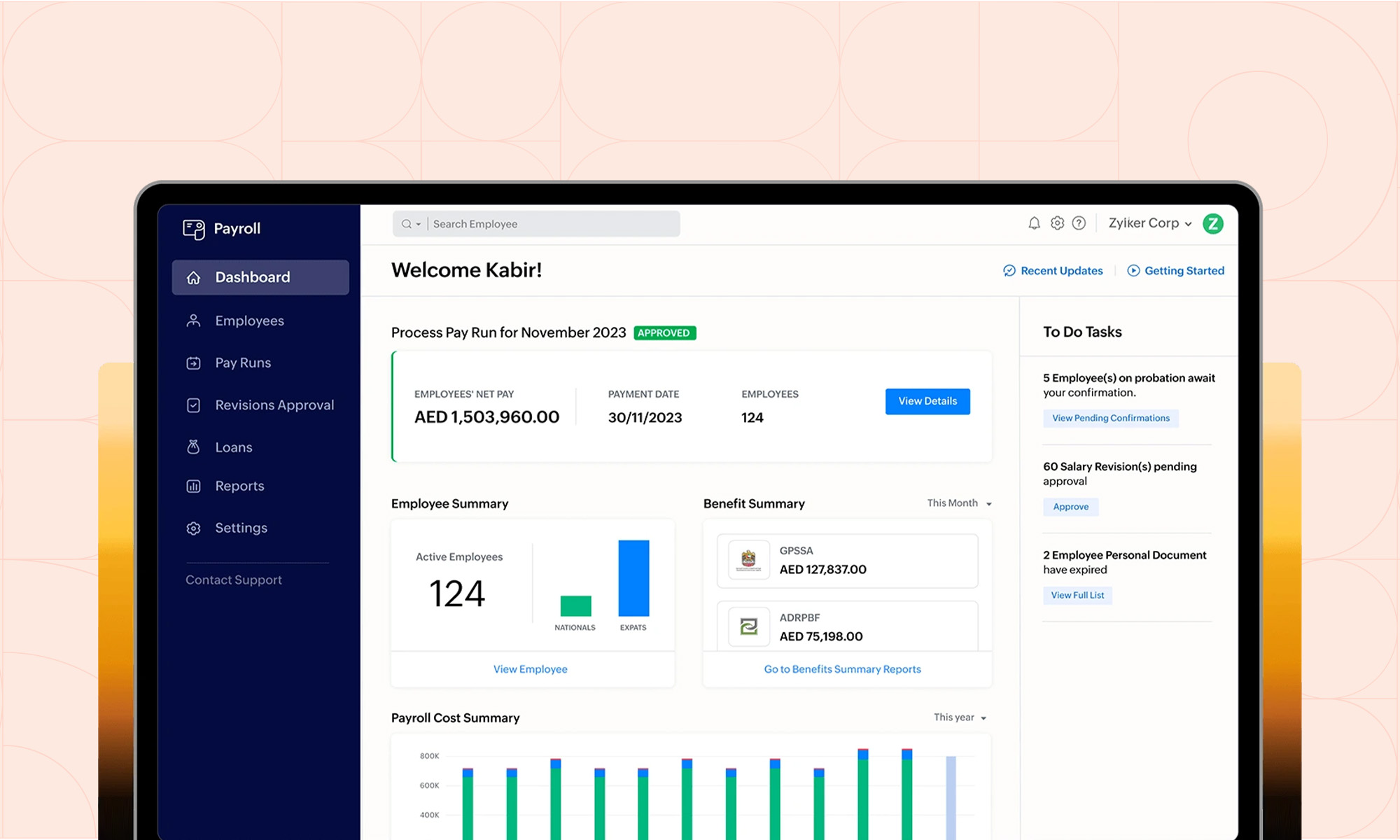
Zoho, a leading software provider with over 55 productivity and business apps, has launched its payroll management software — Zoho Payroll — for UAE-based companies. The solution allows businesses to streamline payroll management, automate monthly tasks, and ensure compliance.
“Businesses often face key challenges in payroll management like pulling in employee records from multiple sources while staying compliant with the local labor laws. Payroll is a modern alternative for UAE businesses, providing built-in compliance, automating monthly payroll tasks, and seamlessly connecting with the relevant data sources,” said Prashant Ganti, Head of Product Management, Zoho Finance and Operations Suite.
Zoho Payroll allows simple employee onboarding and offboarding, benefits handling, single-click payroll processing, and real-time reports. The app automatically ensures gratuity and pension scheme compliance and provides advanced customizations for salary components, email notifications, reminders, and alerts.
The platform also features a self-service portal that can be accessed through a dedicated iOS and Android app. Employees can view salary information, download payslips, track borrowed loans, and communicate with payroll teams.
Also Read: How (And Why) To Start A Tech Business In Dubai
Zoho Payroll comes pre-integrated with Zoho Books, allowing for automated accounting entries, plus Zoho Expense for employee expense reimbursements, and Zoho People for employee data and annual leave tracking. The software also integrates with the recently launched Zoho Practice, a practice management software solution for accountants, where client’s pending pay runs, unapproved revisions, and payments can be viewed.
Pricing & Availability
Zoho’s new payroll software is available now, with prices starting at AED7 per employee per month, billed annually.






News
Microsoft Plans $10 Billion-Plus Gulf Expansion Despite Iran Conflict
Security is shaping Microsoft’s approach, from resilience work with governments to what it will say about how the money splits by country.
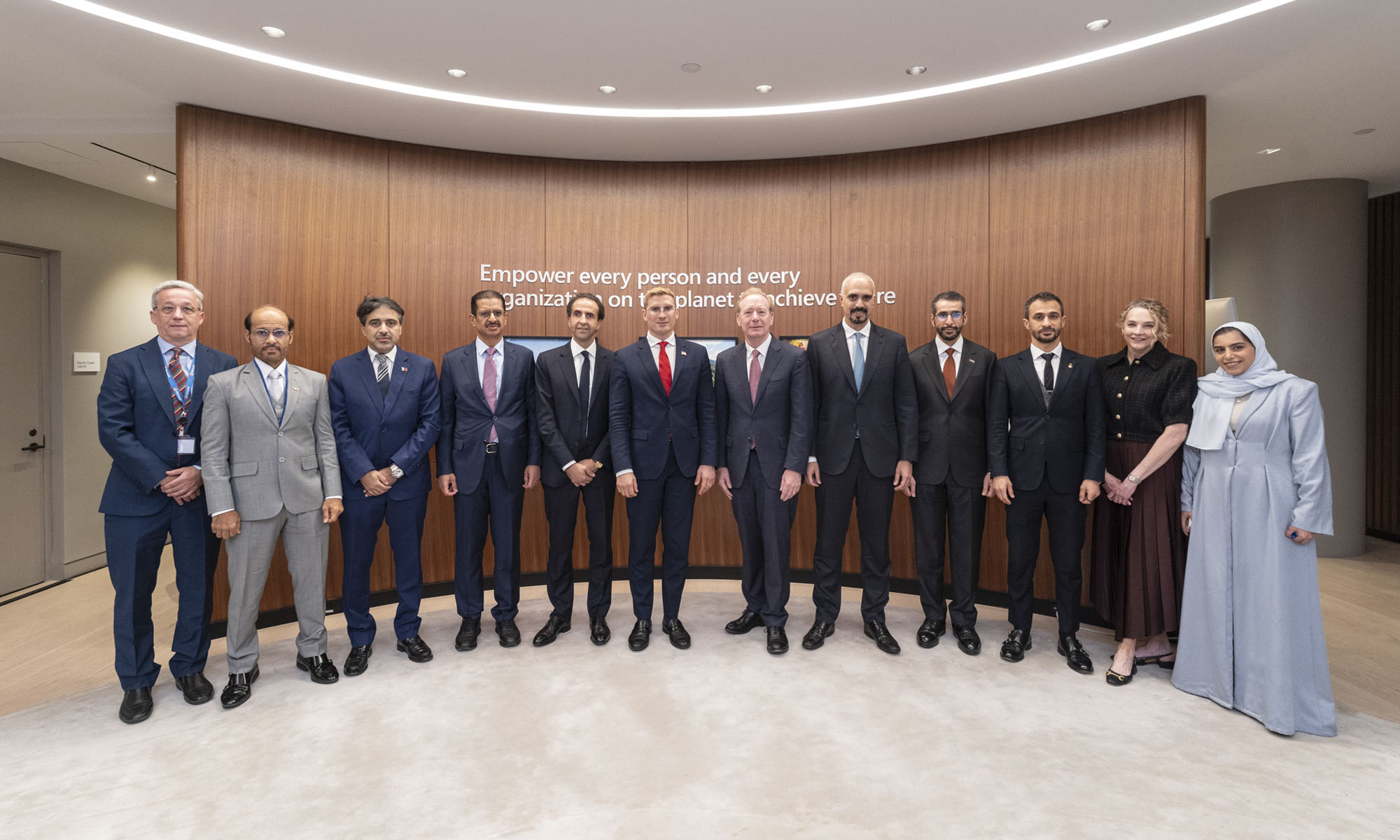
Microsoft is planning more than $10 billion of investment across the UAE, Saudi Arabia, Qatar and Kuwait through 2030, Vice Chair and President Brad Smith told Reuters, calling the spending schedule aggressive. The Iranian conflict that began on February 28 has not persuaded the company to scale back.
“We’re sustaining all the investments we planned to make before this conflict started, and we are in fact adding to them,” Smith said. The $10 billion-plus total does not, however, show how large those additions are.
The investment, which Smith described as part of Microsoft’s continued infrastructure expansion, is aimed at cloud and AI infrastructure and at the company’s growing regional operations. Microsoft also intends to put more than $400 million into subsea and terrestrial connectivity across the Middle East by 2030.
The spending fits the region’s own ambitions too. Gulf governments have been investing heavily in AI infrastructure as part of a push to diversify their economies beyond oil and gas and turn themselves into global technology hubs. Major cloud and AI providers have been drawn in part by the land and relatively low-cost energy on offer.
Microsoft is widening its partnerships with regional AI companies, though not on identical terms. In 2024, it invested $1.5 billion in Abu Dhabi-based G42 for a minority stake, and Smith currently sits on G42’s board. Saudi Arabia’s Humain and Qatar’s Qai are working with Microsoft on selected priority areas, but Smith said the company does not plan to make capital investments in either.
Also Read: Egypt’s Mobile Wallets Are Booming, But Cash Still Has Power
The conflict has added another strand to Microsoft’s work in the region. Since it began, Smith said, the company has supported regional partners with digital resilience assessments, and it is now working with Gulf countries through a digital resilience initiative focused on preparedness and the protection of critical data.
So far, the company has given no country-by-country breakdown of the investment, citing security among other factors. So while the headline figure is public, how Microsoft divides the spending among the four countries is not.

Microsoft Plans $10 Billion-Plus Gulf Expansion Despite Iran Conflict

In Kuwait, Your Surgeon Might Be Operating From Another Country

Qatar Folds 45 State Companies Into A Single Investment Platform

Trip.com Is Betting An AI Agent Will Book Your Next Vacation

Meta’s New $499 Plan Puts A Price On Reaching A Real Person

Apple’s First Folding iPhone Arrives Late To A Shrinking Market
Trip.com Is Betting An AI Agent Will Book Your Next Vacation

Egypt’s Mobile Wallets Are Booming, But Cash Still Has Power

OKX Bets Streaming Perks Can Take Crypto Mainstream Across MENA

Musk’s Boring Company Wants To Dig 150 KM Of Tunnel Under The UAE


-
 News3 weeks ago
Apple’s First Folding iPhone Arrives Late To A Shrinking Market
-
 News2 weeks ago
Trip.com Is Betting An AI Agent Will Book Your Next Vacation
-
 News2 weeks ago
Egypt’s Mobile Wallets Are Booming, But Cash Still Has Power
-
 News2 weeks ago
OKX Bets Streaming Perks Can Take Crypto Mainstream Across MENA