
News
SpaceX To Launch The Arab World’s Most Advanced Satellite In 2023
The launch of the MBZ-SAT is part of the UAE’s broader space ambitions, including plans to have a human colony on Mars by 2117.

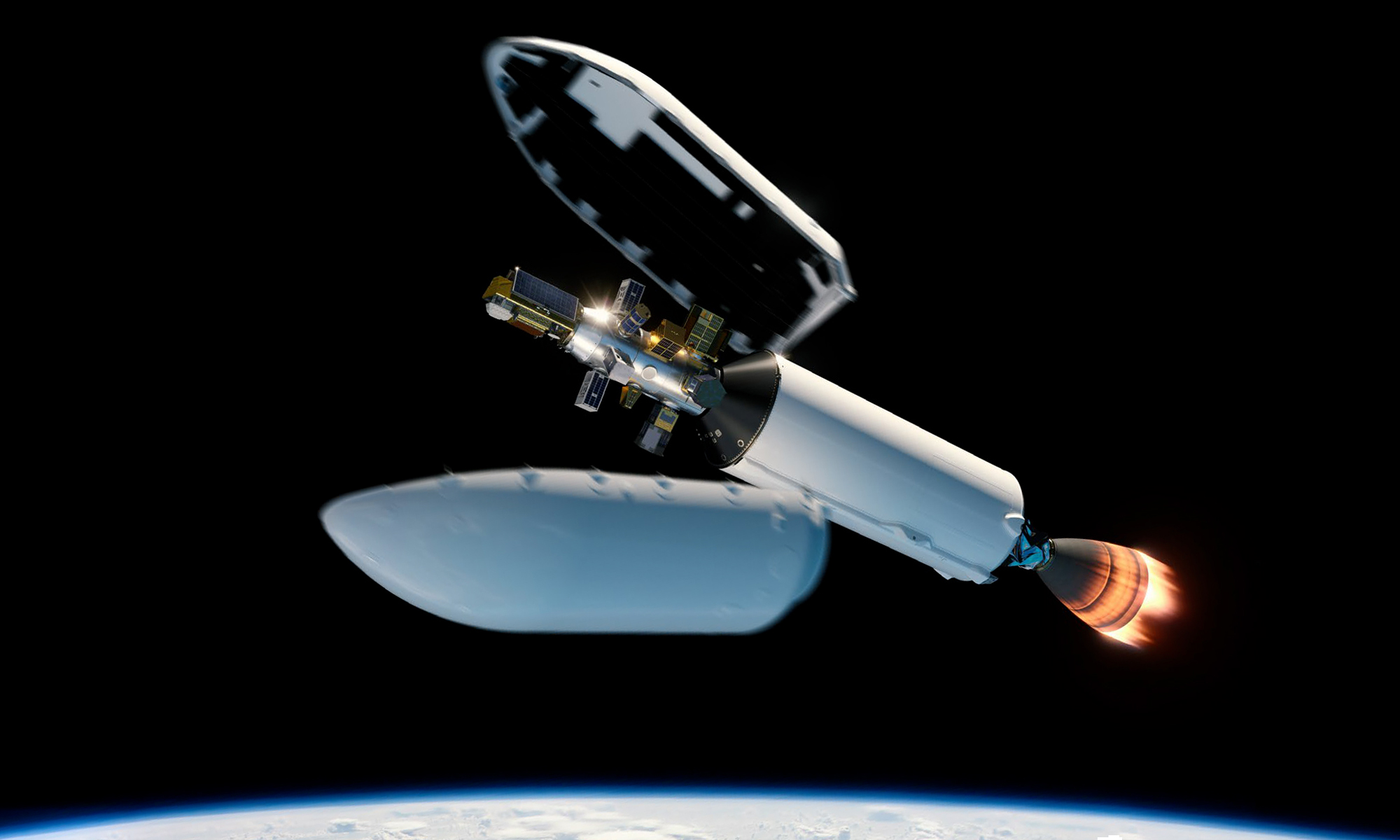
Mohammed Bin Rashid Space Centre (MBRSC), the government organization working on the UAE space program, has announced that it will use the SpaceX rideshare program to launch the MBZ-SAT satellite into space in 2023.
SpaceX established its rideshare program two years ago as a low-cost alternative to traditional white-glove launch services. Since then, over 200 satellites have been launched thanks to the program, which is aimed at small satellites like the 700 kg MBZ-SAT satellite, whose weight and size make it a great fit for the 24-inch ESPA class port, which has a maximum capacity of 830 kg.
MBRSC
Once successfully deployed, the MBZ-SAT will become the Arab world’s most powerful Earth-imaging satellite, significantly outperforming the KhalifaSat, the first Emirati-built satellite, by offering nearly twice the resolving power and featuring multiple other improvements to take clear images from around 500 km above the surface of the Earth.
Most components for the satellite were developed domestically in partnership with UAE-based companies, including Mubadala-owned Strata, Falcon Group, Edge Group’s EPI, Halcon, and Rockford Xellerix. There’s still quite a bit of work left to do before the MBZ-SAT can take off for space, however, which is why the satellite won’t launch any sooner than in 2023.
Also Read: The First Space Hotel Is Set To Open In 2027
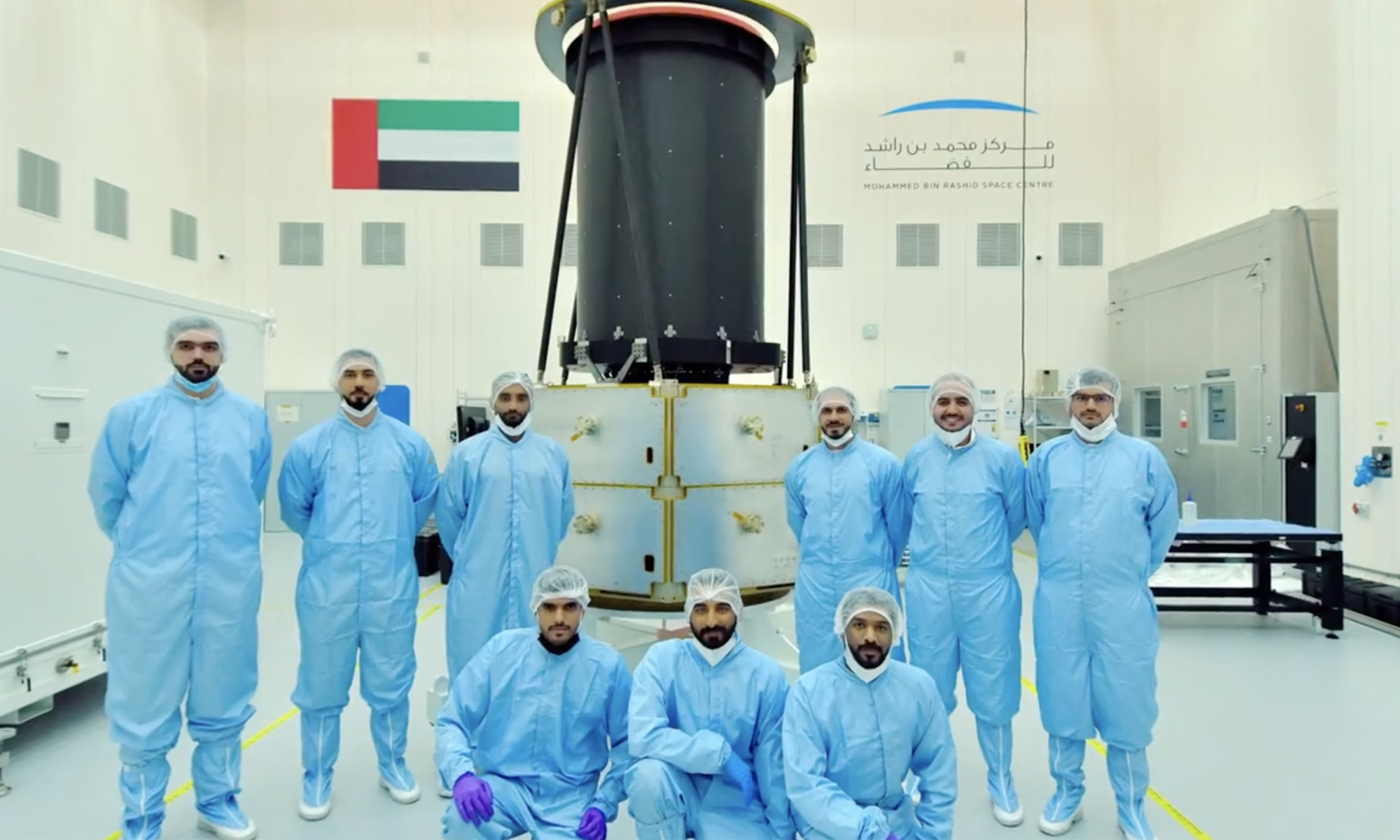
“MBRSC team completed the structure model and initial tests of MBZ-SAT along with the completion of the engineering and Flatsat qualification module,” the organization tweeted. “The team will now begin preparations to manufacture the flight model”.
The launch of the MBZ-SAT is part of UAE’s broader space ambitions, including a plan to have a human colony on Mars by 2117 and participation in NASA’s Artemis program, which aims to return astronauts to the Moon by 2024. To become a major player in the space race, UAE must support local companies and inspire young people to pursue careers in the space industry.



News
Nano Banana 2 Arrives In MENA For Google Gemini Users
Google brings its latest image model to Gemini and Search, adding 4K output and tighter text control for regional users.


Google has opened access to Nano Banana 2 across the Middle East and North Africa, pushing its newest image model into everyday tools rather than keeping it inside the exclusive (and expensive) Pro tier.
The rollout spans the Google Gemini desktop and mobile apps, and extends to Google Search through Lens and AI Mode. Developers can also test it in preview via AI Studio and the Gemini API.
Nano Banana 2 runs on Gemini Flash, Google’s fast inference layer. The focus is speed, but also control. Users can export visuals from 512px up to 4K, adjusting aspect ratios for everything from vertical social posts to widescreen displays.
The model maintains character likeness across up to five figures and preserves fidelity for as many as 14 objects within a single workflow. This enables visual continuity across scenes, iterations, or edits — supporting projects like short films, storyboards, and multi-scene narratives. Text rendering has also been improved, delivering legible typography in mockups and greeting cards, with built-in translation and localization directly within images.
Also Read: RØDE Adds Direct iPhone Pairing To Wireless GO And Pro Mics
Under the hood, the system taps Gemini’s broader knowledge base and pulls in real-time information and imagery from web search to render specific subjects more accurately. Lighting and fine detail have been upgraded, without slowing output.
By embedding the model inside Gemini and Search, Google is normalizing advanced image generation for a mass audience. In MENA, where startups and marketing teams are leaning heavily on AI to scale content across languages and borders, that shift lands at a practical moment.
The move also folds creative tooling deeper into search itself, so that image generation is no longer a separate workflow. It now sits right next to the query box.

Nano Banana 2 Arrives In MENA For Google Gemini Users

GluCare Rebrands To Metabolic, Dropping Diabetes-Only Identity

Apple’s March 4 Event Rumored To Put New Macs In Play

Google Adds Arabic AI Music Creation For Ramadan


