
News
SpaceX To Launch The Arab World’s Most Advanced Satellite In 2023
The launch of the MBZ-SAT is part of the UAE’s broader space ambitions, including plans to have a human colony on Mars by 2117.

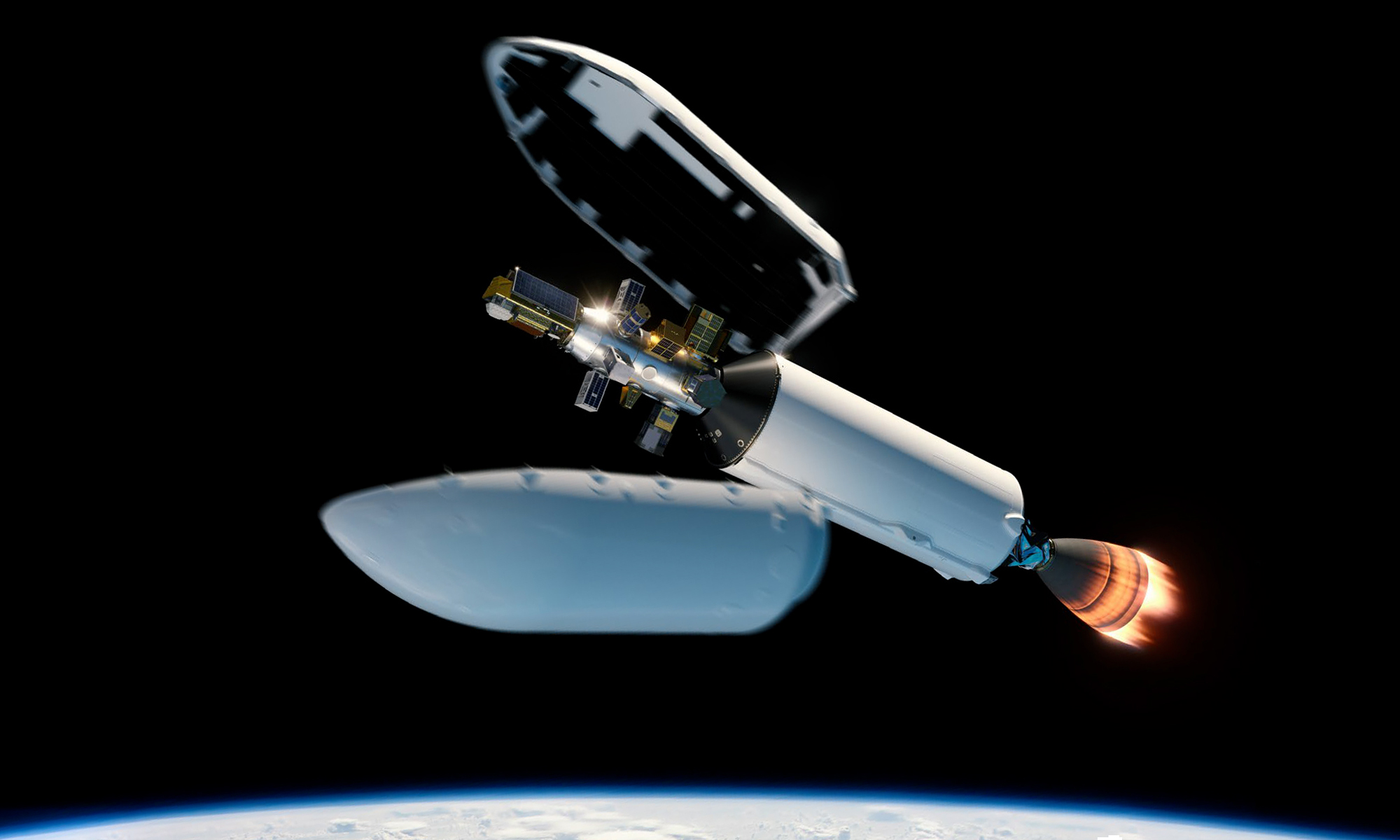
Mohammed Bin Rashid Space Centre (MBRSC), the government organization working on the UAE space program, has announced that it will use the SpaceX rideshare program to launch the MBZ-SAT satellite into space in 2023.
SpaceX established its rideshare program two years ago as a low-cost alternative to traditional white-glove launch services. Since then, over 200 satellites have been launched thanks to the program, which is aimed at small satellites like the 700 kg MBZ-SAT satellite, whose weight and size make it a great fit for the 24-inch ESPA class port, which has a maximum capacity of 830 kg.
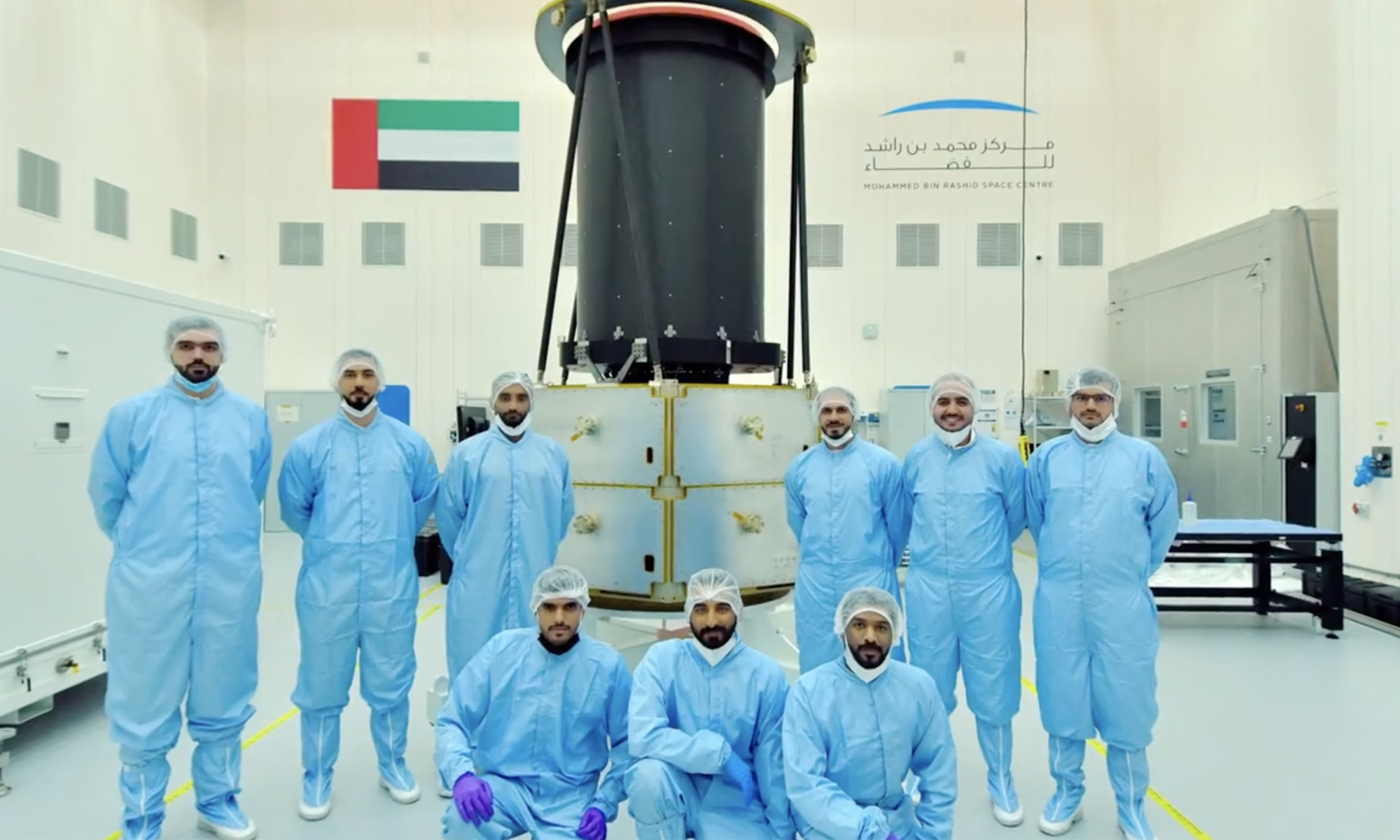
MBRSC
Once successfully deployed, the MBZ-SAT will become the Arab world’s most powerful Earth-imaging satellite, significantly outperforming the KhalifaSat, the first Emirati-built satellite, by offering nearly twice the resolving power and featuring multiple other improvements to take clear images from around 500 km above the surface of the Earth.
Most components for the satellite were developed domestically in partnership with UAE-based companies, including Mubadala-owned Strata, Falcon Group, Edge Group’s EPI, Halcon, and Rockford Xellerix. There’s still quite a bit of work left to do before the MBZ-SAT can take off for space, however, which is why the satellite won’t launch any sooner than in 2023.
Also Read: The First Space Hotel Is Set To Open In 2027
“MBRSC team completed the structure model and initial tests of MBZ-SAT along with the completion of the engineering and Flatsat qualification module,” the organization tweeted. “The team will now begin preparations to manufacture the flight model”.
The launch of the MBZ-SAT is part of UAE’s broader space ambitions, including a plan to have a human colony on Mars by 2117 and participation in NASA’s Artemis program, which aims to return astronauts to the Moon by 2024. To become a major player in the space race, UAE must support local companies and inspire young people to pursue careers in the space industry.





News
Microsoft Plans $10 Billion-Plus Gulf Expansion Despite Iran Conflict
Security is shaping Microsoft’s approach, from resilience work with governments to what it will say about how the money splits by country.

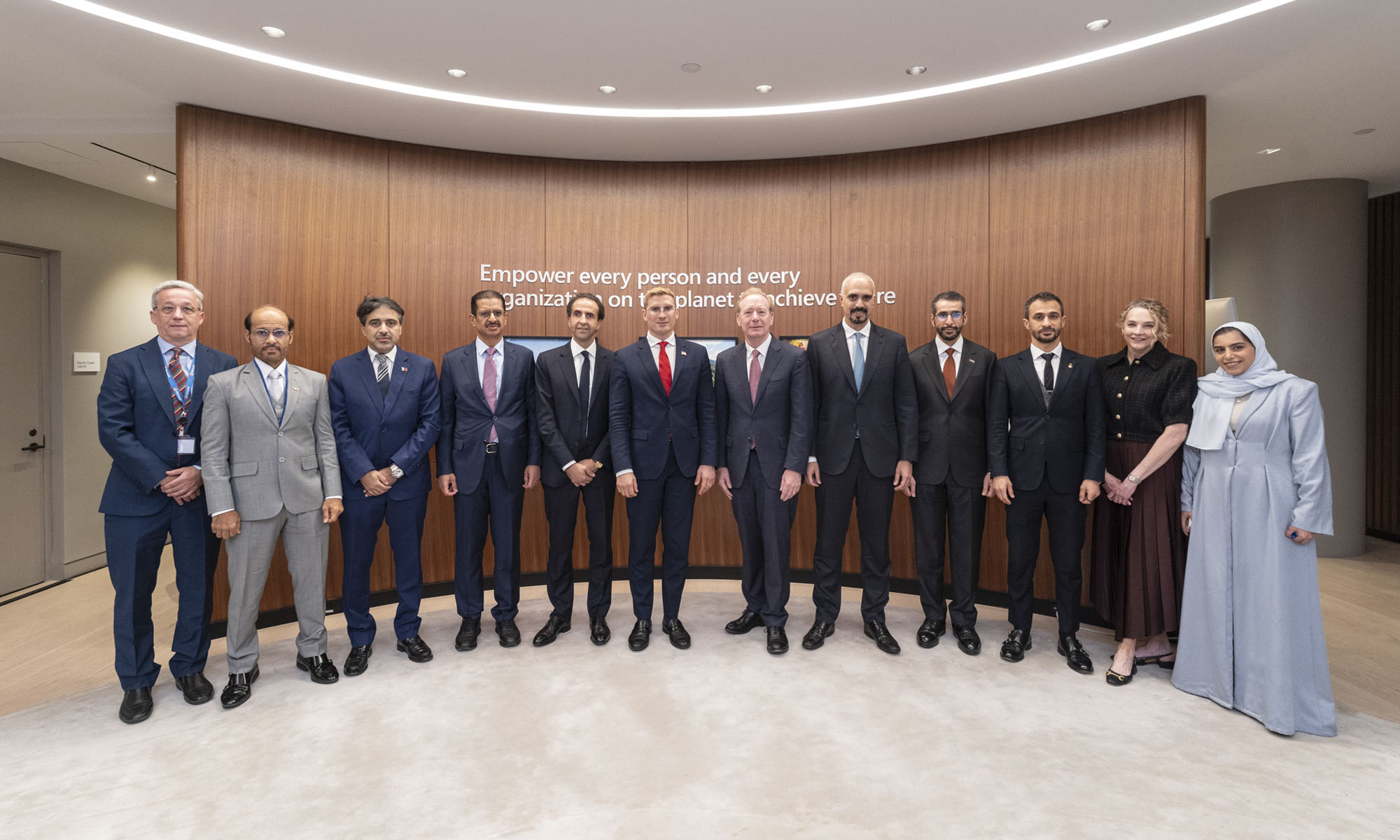
Microsoft is planning more than $10 billion of investment across the UAE, Saudi Arabia, Qatar and Kuwait through 2030, Vice Chair and President Brad Smith told Reuters, calling the spending schedule aggressive. The Iranian conflict that began on February 28 has not persuaded the company to scale back.
“We’re sustaining all the investments we planned to make before this conflict started, and we are in fact adding to them,” Smith said. The $10 billion-plus total does not, however, show how large those additions are.
The investment, which Smith described as part of Microsoft’s continued infrastructure expansion, is aimed at cloud and AI infrastructure and at the company’s growing regional operations. Microsoft also intends to put more than $400 million into subsea and terrestrial connectivity across the Middle East by 2030.
The spending fits the region’s own ambitions too. Gulf governments have been investing heavily in AI infrastructure as part of a push to diversify their economies beyond oil and gas and turn themselves into global technology hubs. Major cloud and AI providers have been drawn in part by the land and relatively low-cost energy on offer.
Microsoft is widening its partnerships with regional AI companies, though not on identical terms. In 2024, it invested $1.5 billion in Abu Dhabi-based G42 for a minority stake, and Smith currently sits on G42’s board. Saudi Arabia’s Humain and Qatar’s Qai are working with Microsoft on selected priority areas, but Smith said the company does not plan to make capital investments in either.
Also Read: Egypt’s Mobile Wallets Are Booming, But Cash Still Has Power
The conflict has added another strand to Microsoft’s work in the region. Since it began, Smith said, the company has supported regional partners with digital resilience assessments, and it is now working with Gulf countries through a digital resilience initiative focused on preparedness and the protection of critical data.
So far, the company has given no country-by-country breakdown of the investment, citing security among other factors. So while the headline figure is public, how Microsoft divides the spending among the four countries is not.

Microsoft Plans $10 Billion-Plus Gulf Expansion Despite Iran Conflict

In Kuwait, Your Surgeon Might Be Operating From Another Country

Qatar Folds 45 State Companies Into A Single Investment Platform

Trip.com Is Betting An AI Agent Will Book Your Next Vacation

Meta’s New $499 Plan Puts A Price On Reaching A Real Person

Apple’s First Folding iPhone Arrives Late To A Shrinking Market
Trip.com Is Betting An AI Agent Will Book Your Next Vacation

Egypt’s Mobile Wallets Are Booming, But Cash Still Has Power

OKX Bets Streaming Perks Can Take Crypto Mainstream Across MENA

Musk’s Boring Company Wants To Dig 150 KM Of Tunnel Under The UAE


-
 News3 weeks ago
Apple’s First Folding iPhone Arrives Late To A Shrinking Market
-
 News2 weeks ago
Trip.com Is Betting An AI Agent Will Book Your Next Vacation
-
 News2 weeks ago
Egypt’s Mobile Wallets Are Booming, But Cash Still Has Power
-
 News2 weeks ago
OKX Bets Streaming Perks Can Take Crypto Mainstream Across MENA