
News
The First Space Hotel Is Set To Open In 2027

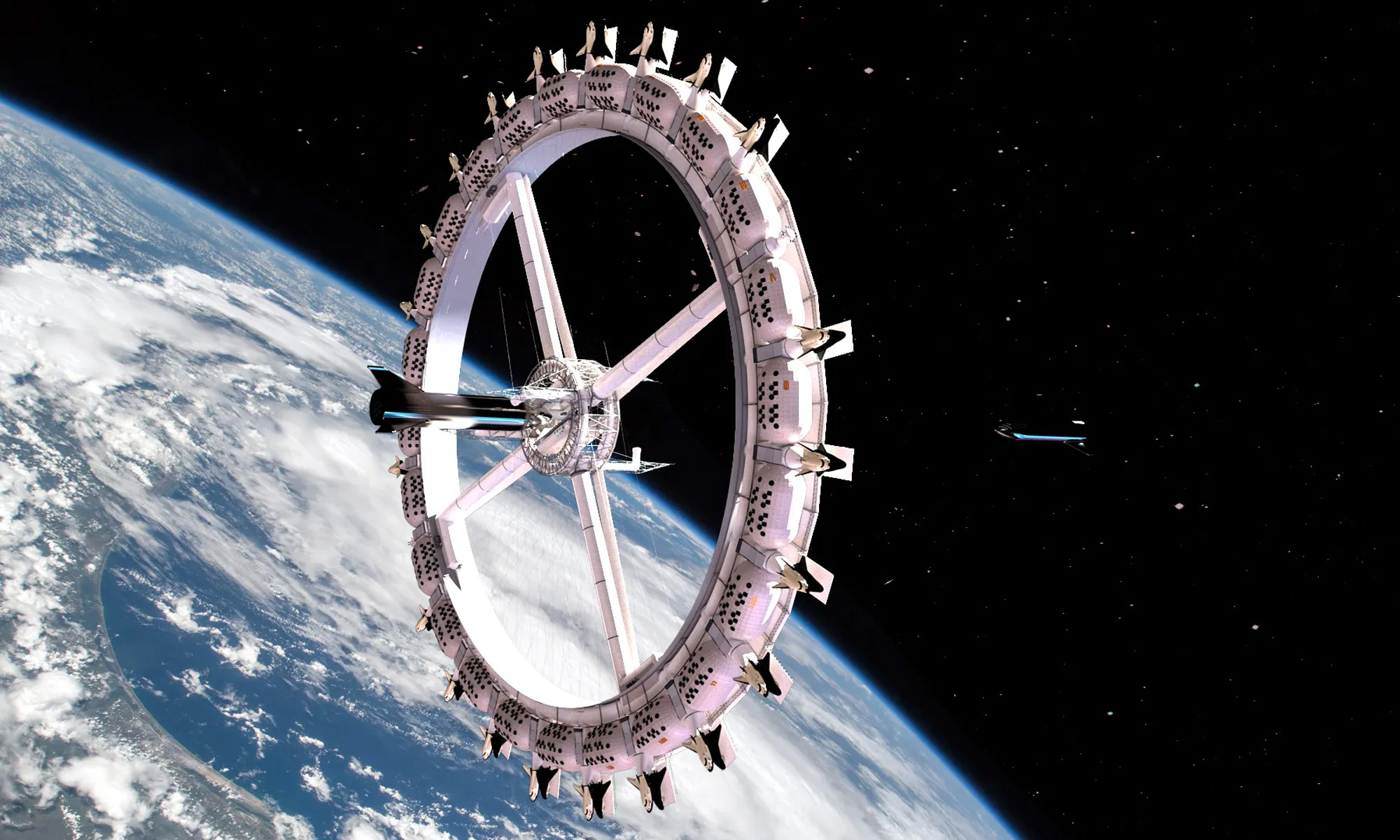
While hotels in many countries around the world are still closed due to the ongoing coronavirus pandemic, space construction company Orbital Assembly Corporation has recently announced that its first space hotel, called Voyager Station, is set to open in 2027.
The idea for the Voyager Station dates back to 2012 and a Californian company called Gateway Foundation, which later established Orbital Assembly Corporation to realize its ambitious plan. First plans were introduced to the world in 2019, describing a futuristic rotating hotel inspired by sci-fi movies such as 2001: A Space Odyssey.
Orbital Assembly
Back then, the hotel was called Von Braun Rotating Space Station, but its name was later changed because the connection with the infamous Nazi regime aerospace engineer, Wernher Von Braun, caused unwanted controversy.
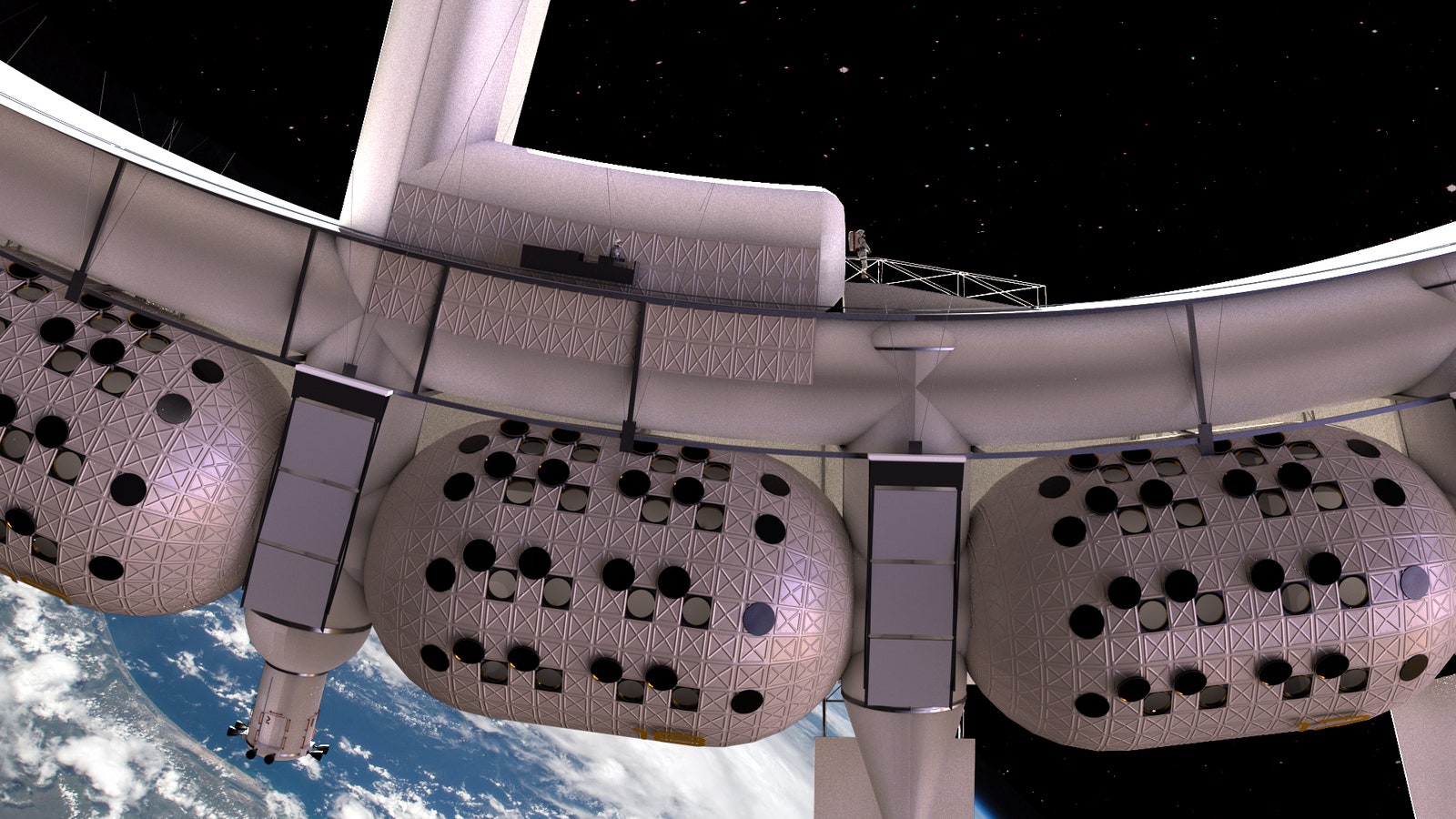
The latest design of the ambitious space hotel features 24 modules connected together by elevator shafts, offering over 11,600 square meters of habitable space for its 280 guests. The modules form a massive wheel that rotates around a central docking bay to create artificial gravity using centrifugal force.
Orbital Assembly
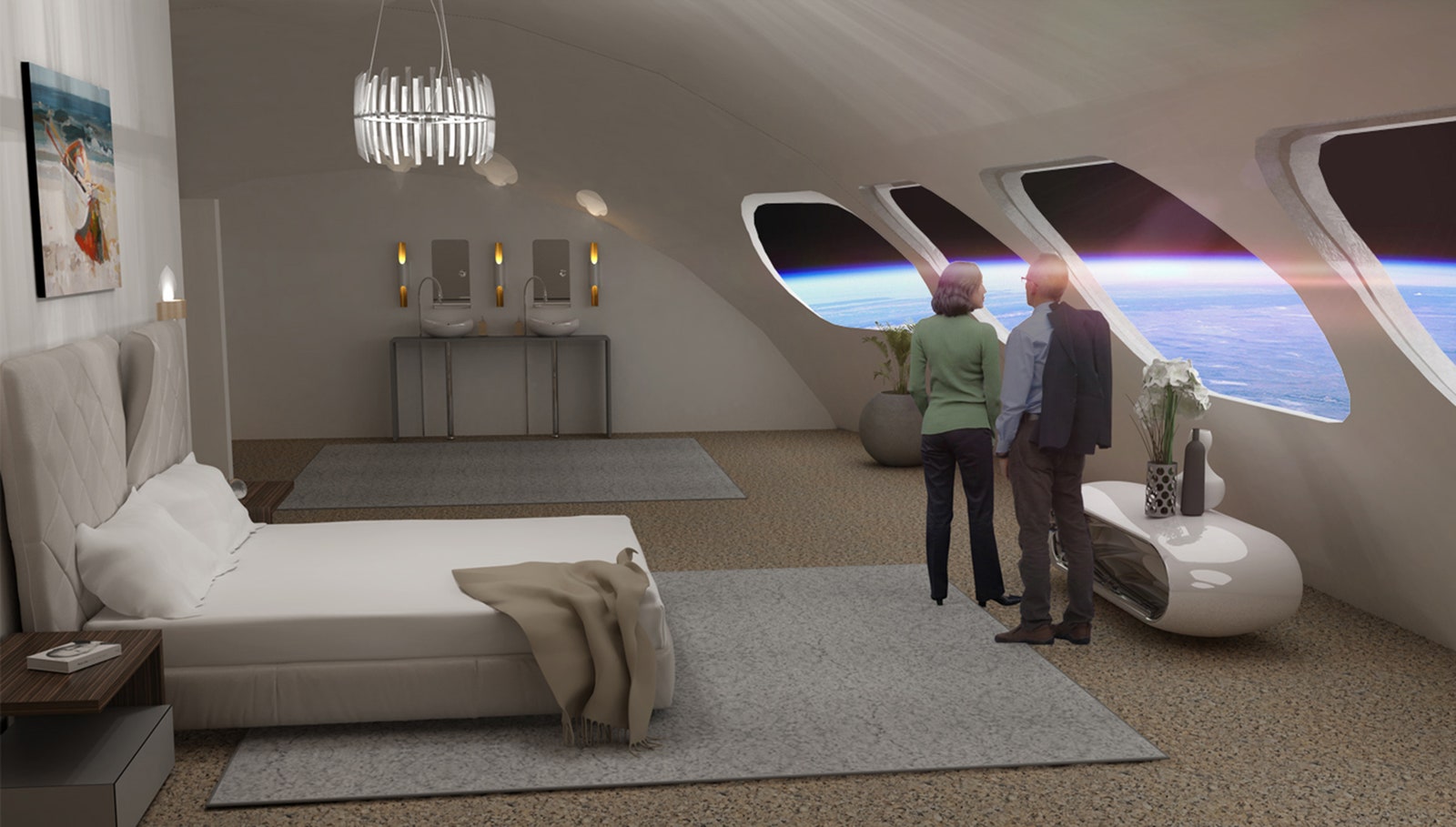
“The station rotates, pushing the contents of the station out to the perimeter of the station, much in the way that you can spin a bucket of water — the water pushes out into the bucket and stays in place,” explained Tim Alatorre, senior design architect at Orbital Assembly Corporation to CNN Travel.
Orbital Assembly
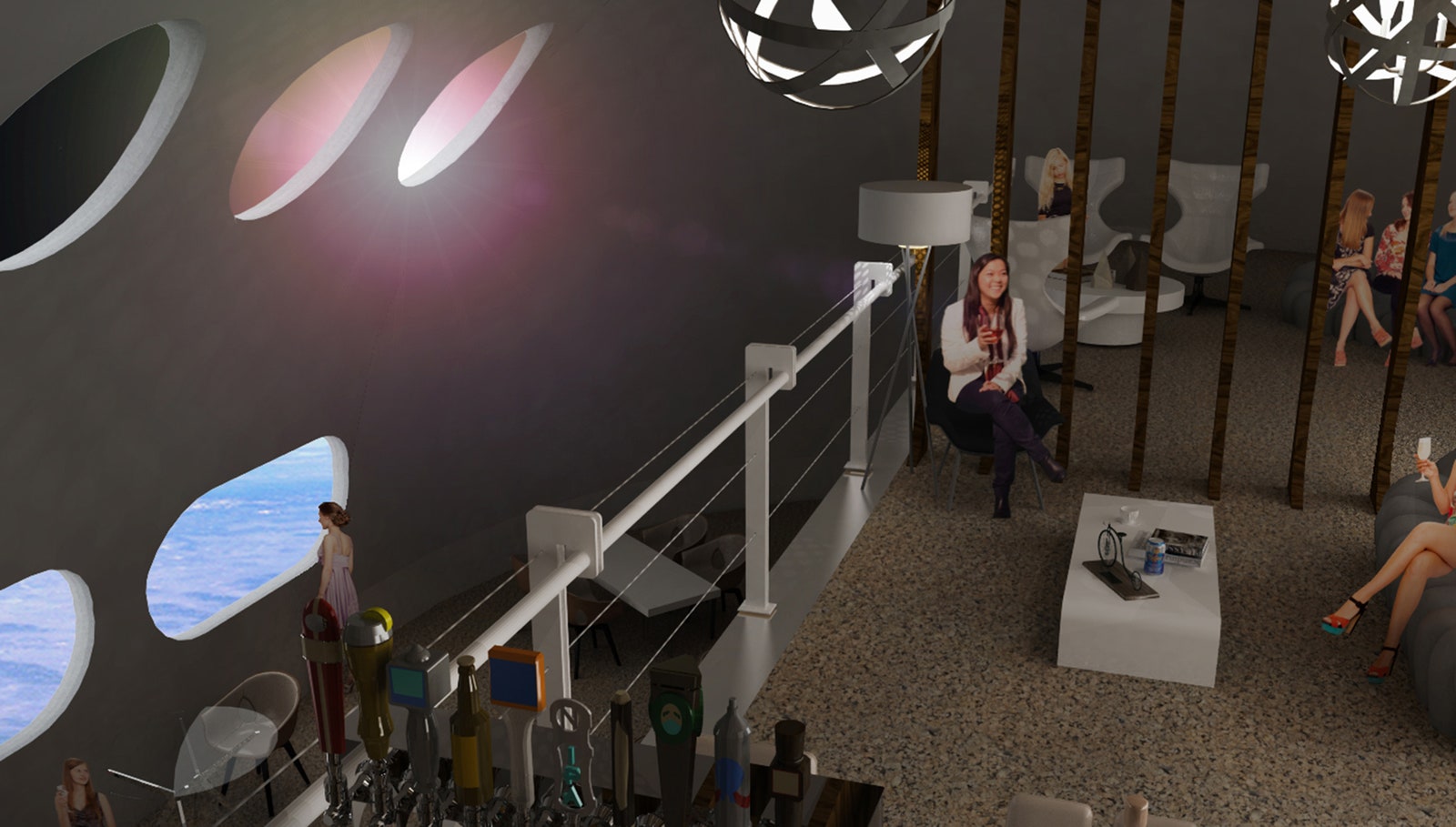
To keep everyone’s anxiety levels as low as possible, Voyager Station will have not only a bar, restaurant, gym, and other features expected in a luxury cruise ship but also 44 emergency return vehicles (ERVs) programmed to autonomously return back to Earth.
Also Read: Sightec Completes First Drone Delivery Without GPS
Orbital Assembly Corporation plans to position its first space hotel 500-550 kilometers above Earth’s surface in a sun-synchronous orbit, meaning it will always face the same position relative to the Sun. This is mainly to reduce thermal stress on key structural components.
Not much information on how much it will cost to book a room in the space hotel has been revealed so far, but it’s safe to assume that it will exceed the average person’s annual salary several times. Rumors suggest that a 4-day stay will set you back $5 million.






News
Microsoft Plans $10 Billion-Plus Gulf Expansion Despite Iran Conflict
Security is shaping Microsoft’s approach, from resilience work with governments to what it will say about how the money splits by country.

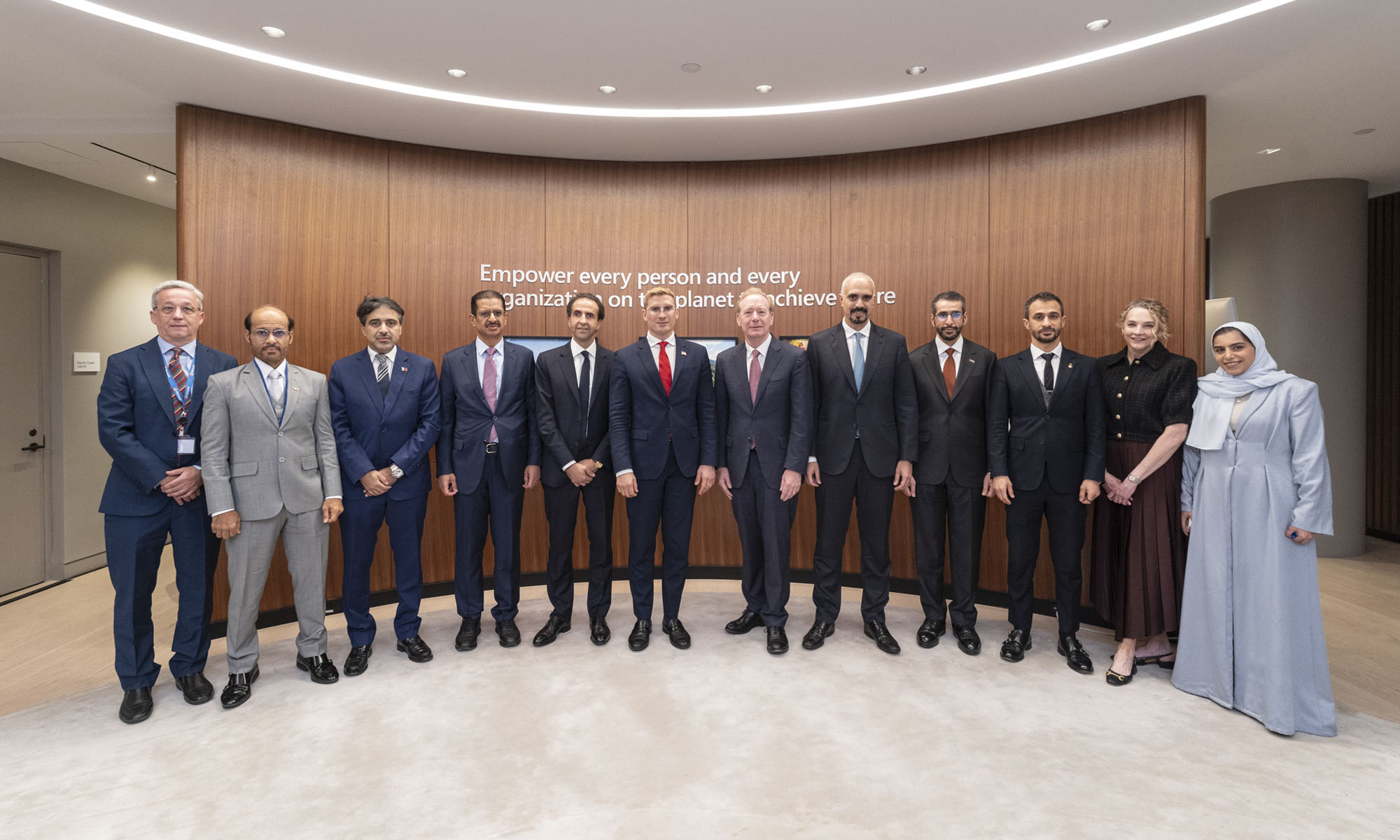
Microsoft is planning more than $10 billion of investment across the UAE, Saudi Arabia, Qatar and Kuwait through 2030, Vice Chair and President Brad Smith told Reuters, calling the spending schedule aggressive. The Iranian conflict that began on February 28 has not persuaded the company to scale back.
“We’re sustaining all the investments we planned to make before this conflict started, and we are in fact adding to them,” Smith said. The $10 billion-plus total does not, however, show how large those additions are.
The investment, which Smith described as part of Microsoft’s continued infrastructure expansion, is aimed at cloud and AI infrastructure and at the company’s growing regional operations. Microsoft also intends to put more than $400 million into subsea and terrestrial connectivity across the Middle East by 2030.
The spending fits the region’s own ambitions too. Gulf governments have been investing heavily in AI infrastructure as part of a push to diversify their economies beyond oil and gas and turn themselves into global technology hubs. Major cloud and AI providers have been drawn in part by the land and relatively low-cost energy on offer.
Microsoft is widening its partnerships with regional AI companies, though not on identical terms. In 2024, it invested $1.5 billion in Abu Dhabi-based G42 for a minority stake, and Smith currently sits on G42’s board. Saudi Arabia’s Humain and Qatar’s Qai are working with Microsoft on selected priority areas, but Smith said the company does not plan to make capital investments in either.
Also Read: Egypt’s Mobile Wallets Are Booming, But Cash Still Has Power
The conflict has added another strand to Microsoft’s work in the region. Since it began, Smith said, the company has supported regional partners with digital resilience assessments, and it is now working with Gulf countries through a digital resilience initiative focused on preparedness and the protection of critical data.
So far, the company has given no country-by-country breakdown of the investment, citing security among other factors. So while the headline figure is public, how Microsoft divides the spending among the four countries is not.

Microsoft Plans $10 Billion-Plus Gulf Expansion Despite Iran Conflict

In Kuwait, Your Surgeon Might Be Operating From Another Country

Qatar Folds 45 State Companies Into A Single Investment Platform

Trip.com Is Betting An AI Agent Will Book Your Next Vacation

Meta’s New $499 Plan Puts A Price On Reaching A Real Person

Apple’s First Folding iPhone Arrives Late To A Shrinking Market
Trip.com Is Betting An AI Agent Will Book Your Next Vacation

Egypt’s Mobile Wallets Are Booming, But Cash Still Has Power

OKX Bets Streaming Perks Can Take Crypto Mainstream Across MENA

Musk’s Boring Company Wants To Dig 150 KM Of Tunnel Under The UAE


-
 News3 weeks ago
Apple’s First Folding iPhone Arrives Late To A Shrinking Market
-
 News2 weeks ago
Trip.com Is Betting An AI Agent Will Book Your Next Vacation
-
 News2 weeks ago
Egypt’s Mobile Wallets Are Booming, But Cash Still Has Power
-
 News2 weeks ago
OKX Bets Streaming Perks Can Take Crypto Mainstream Across MENA