
News
5D Storage Technology Can Fit 500TB On A Small Disc
This method could theoretically be used to archive data for as long as 13.8 billion years.

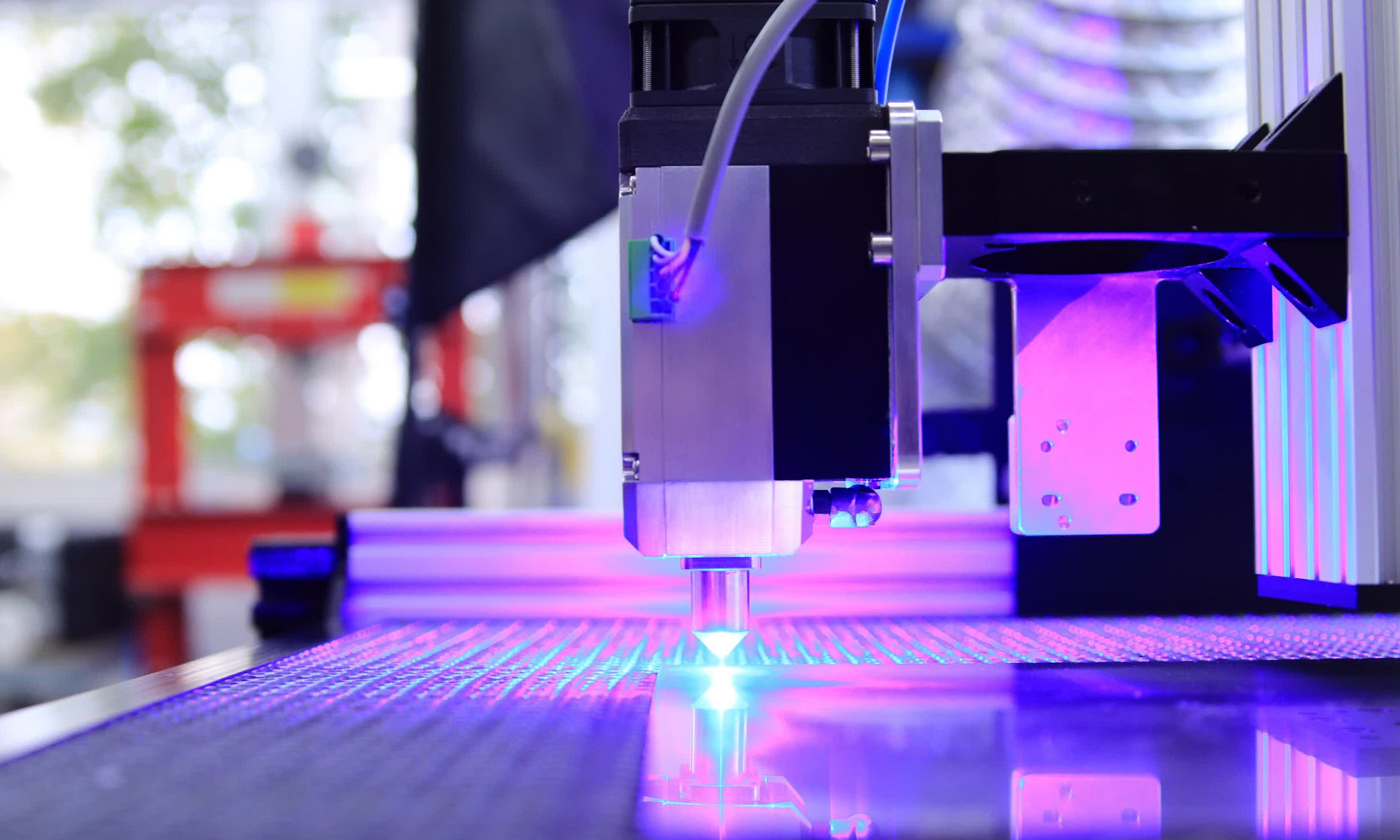
While most consumers today are perfectly satisfied with the capacity and reliability of modern solid-state drives (SSDs), various organizations that are required to archive massive quantities of data are deeply aware of the limitations of not just SSDs but other currently available storage technologies as well.
Soon, they might be able to store up to 500TB of data on a CD-sized disc thanks to a new energy-efficient laser-writing method for producing high-density nanostructures in silica glass. Called five-dimensional (5D) optical data storage, this method could theoretically be used to archive data for as long as 13.8 billion years, and the optical discs produced by it can survive temperatures as high as 1,000 degrees Celsius.
“With the current system, we have the ability to preserve terabytes of data, which could be used, for example, to preserve information from a person’s DNA,” said Peter G. Kazansky, leader of the research team behind the new data storage technology.
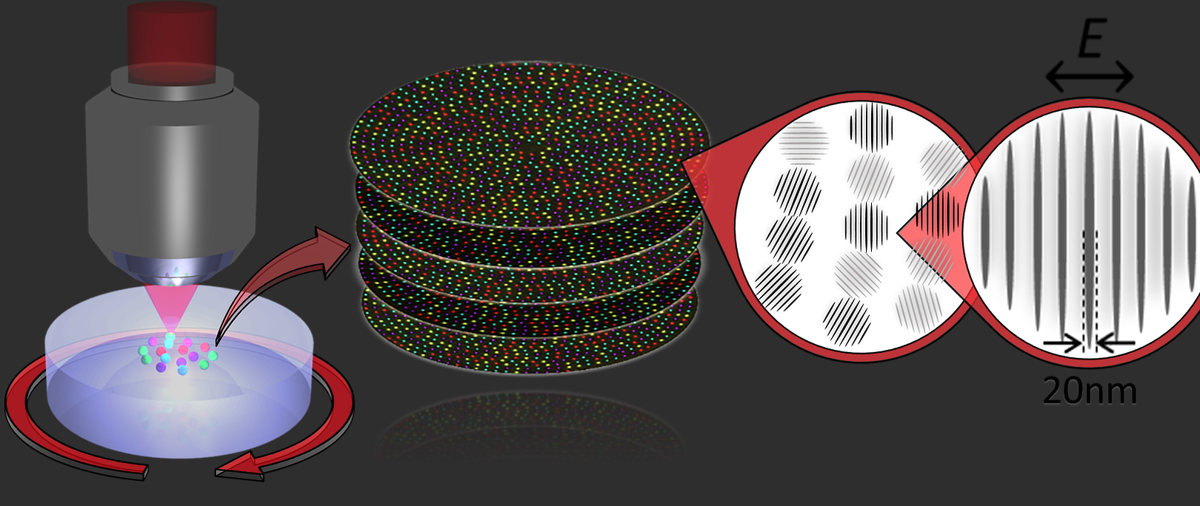
5D optical data storage isn’t actually an entirely new invention, but its practical applications were greatly limited in the past because of its slow write speed. To improve it, the research team from the University of Southampton in the UK used a femtosecond laser to produce an optical phenomenon known as near-field enhancement, minimizing the thermal damage that prevented earlier researchers from making 5D optical data storage truly usable.
Also Read: Japan Sets A New Internet Speed Record With 319 Terabits Per Second
“This new approach improves the data writing speed to a practical level, so we can write tens of gigabytes of data in a reasonable time,” said doctoral researcher Yuhao Lei. By a reasonable time, Lei means about 100 pages of text (roughly 230 kilobytes of data) per second.
When you compare that figure to the writing speeds of modern SSDs (anywhere from 200 megabytes per second to 4,000 megabytes per second), it becomes apparent that regular consumers won’t be replacing their storage drives with it anytime soon.

News
Egypt’s Mobile Wallets Are Booming, But Cash Still Has Power
Egypt’s telecom regulator says $57.6 billion moved through more than 57 million wallets in six months. And one operator handled 77% of the value.

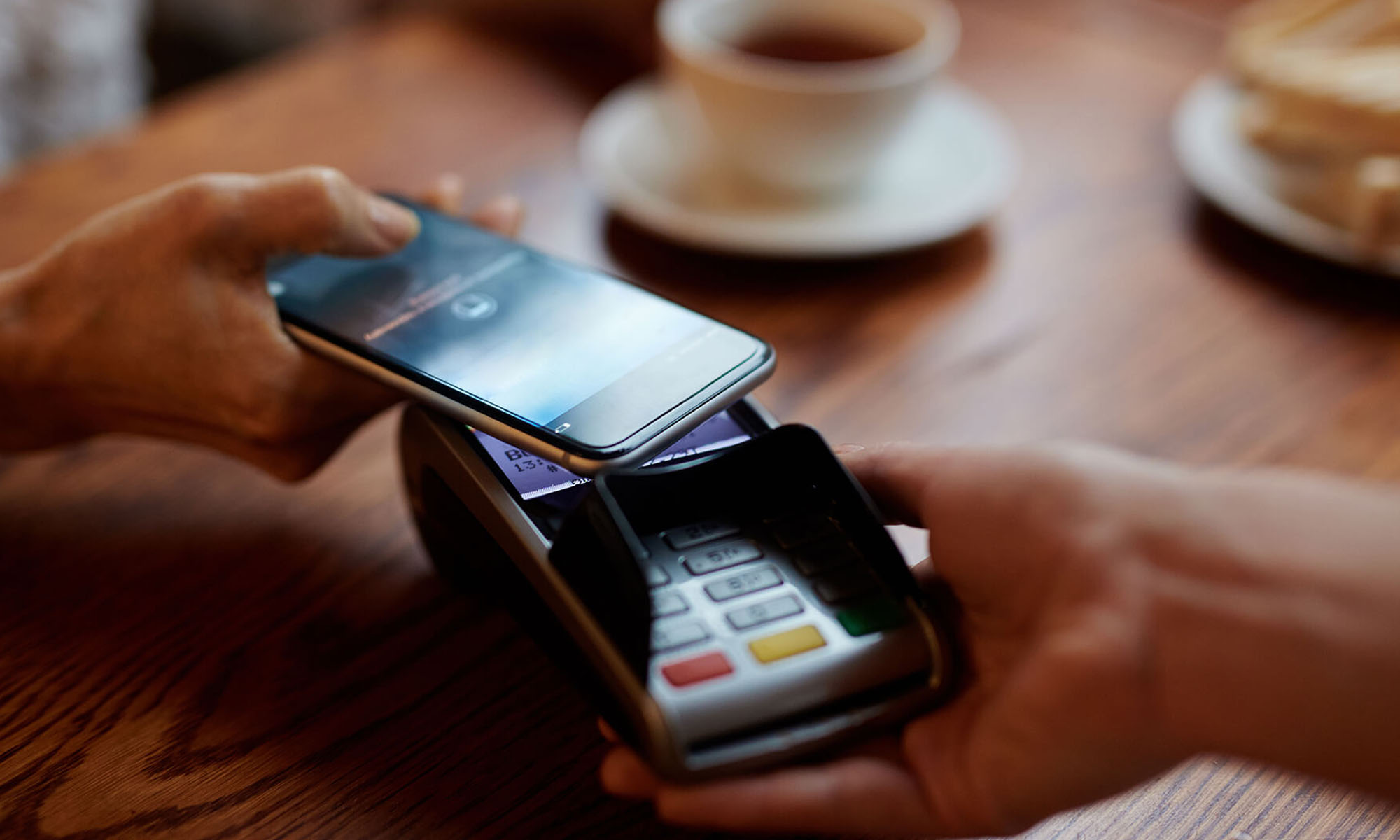
Egypt’s mobile wallets handled EGP 2.96 trillion ($57.6 billion) in transactions in the first half of 2026, according to the National Telecom Regulatory Authority – a 56% rise on the EGP 1.90 trillion ($36.9 billion) recorded a year earlier. Transactions grew faster still, up 62% to 2.22 billion, while registered wallets climbed 23% to 57.01 million.
On one reading, that is exactly what Egypt’s regulators have been pushing for: a payments system that runs through telecom-linked wallets rather than banknotes. But the same data shows how far cash still reaches into it. Cash withdrawals made up just 12% of the transactions taking money out of wallets, yet 75% of the value withdrawn or spent.
Money arrives mostly from bank accounts: transfers through InstaPay accounted for 78% of deposit transactions and 58% of the value deposited, while incoming remittances from abroad made up 3% of deposit transactions but 10% of their value. Once inside, it largely moves between wallets – wallet-to-wallet transfers accounted for 54% of all transactions and 67% of total value, with mobile and internet top-ups a distant second at 25% of volume. In effect, the wallet is serving as a transfer layer: the place money passes through between the bank account and the banknote.
That layer also runs predominantly through one operator. Vodafone Cash held 53% of registered wallets and 57% of active ones, but handled 69% of transactions and 77% of their value. Its nearest rival, e& money, held 23% of registered wallets but 14% of transaction value; Orange Cash 20% and 8%; WE Pay 4% of wallets. How many of the 57.01 million are active is not stated.
Also Read: Visa’s Return To Syria Starts With A Test And A Bank In Lebanon
Adoption is rather uneven in other respects. Men held 38 million wallets, or 67% of the total, against 19 million held by women. Users aged 26 to 45 accounted for half of all wallets, and Cairo alone had 10.6 million, or 19% of the national total, with Giza next at 6.5 million.
The NTRA says it is continuing to work with telecom operators on the regulatory framework for wallet services, part of a wider effort to expand electronic payments and financial inclusion. Its own figures show that effort succeeding on the way in. On the way out, three-quarters of the value still leaves as cash.

Egypt’s Mobile Wallets Are Booming, But Cash Still Has Power

Apple’s First Folding iPhone Arrives Late To A Shrinking Market

Apple’s Latest Product Releases Make The Headlines

Visa’s Return To Syria Starts With A Test And A Bank In Lebanon

RØDE’s New DS3 Studio Arm Is Built For Heavier Creator Setups

Anghami’s New Elite Program Starts With A Three-Decade Catalog

Dubai’s aradus Wants AI To Run The Back Office Of Physical Trade

Qatar Is Getting Its First EV Plant, Built To Cope With Gulf Heat

Qatar Airways Flies The World’s First Starlink-Equipped 787-9

Former Rockstar Director Dismisses GTA 6 Leaks As “Nothing Burger”


-
 News3 weeks ago
Former Rockstar Director Dismisses GTA 6 Leaks As “Nothing Burger”
-
 News3 weeks ago
RØDE’s New DS3 Studio Arm Is Built For Heavier Creator Setups
-

 News3 weeks ago
Dubai Turns AI On Its Own Civil Service To Measure Productivity
-
 News3 weeks ago
Visa’s Return To Syria Starts With A Test And A Bank In Lebanon