
News
4 Smartphones Coming To The Middle East This Spring
These are some of the best smartphones making their way to the Middle East over the next few weeks.

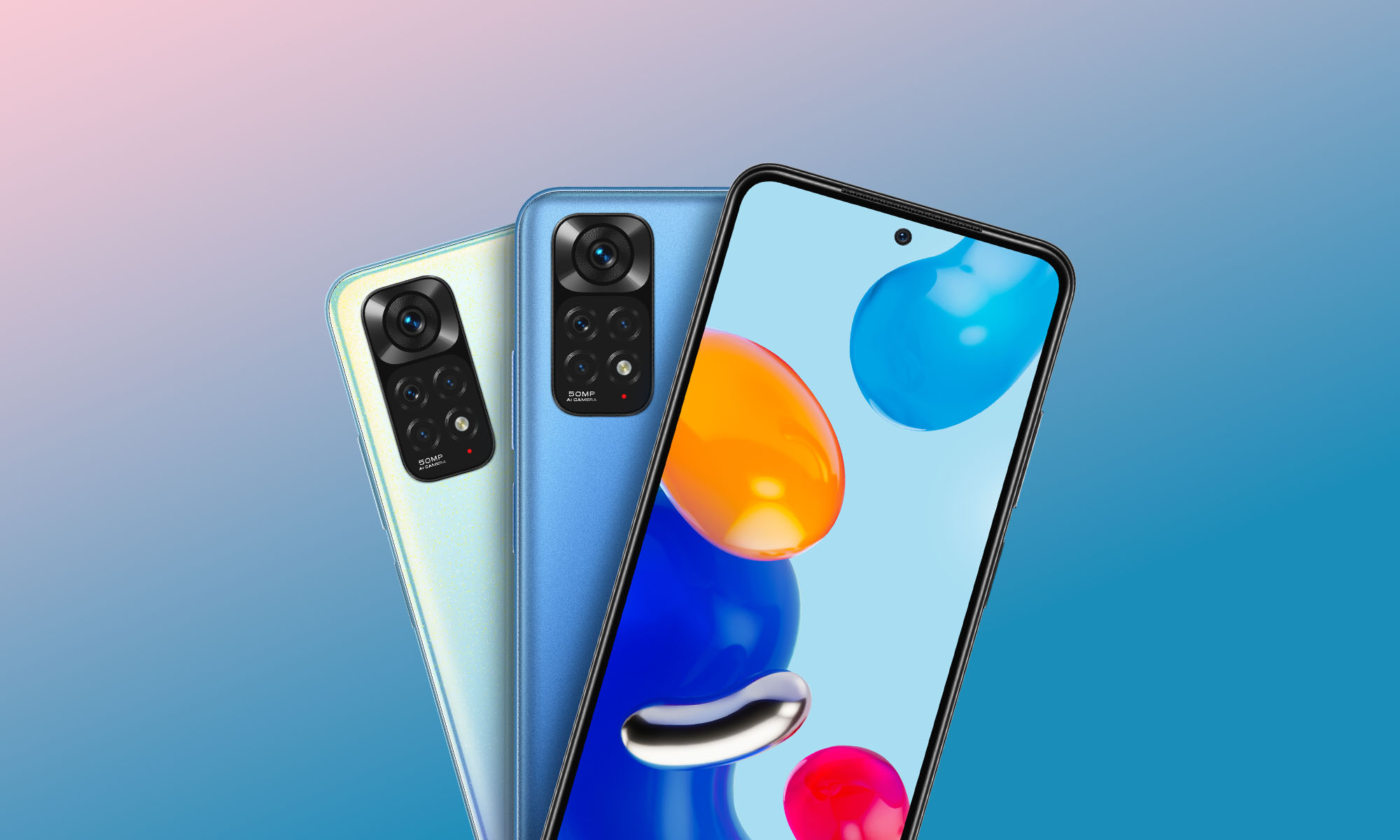
The recently introduced iPhone SE 3 is just one of many new smartphones that you should consider if you’re in store for a new device this spring. Let’s take a look at four Android smartphones coming to the Middle East as early as next week.
Samsung Galaxy S22/S22+/S22 Ultra
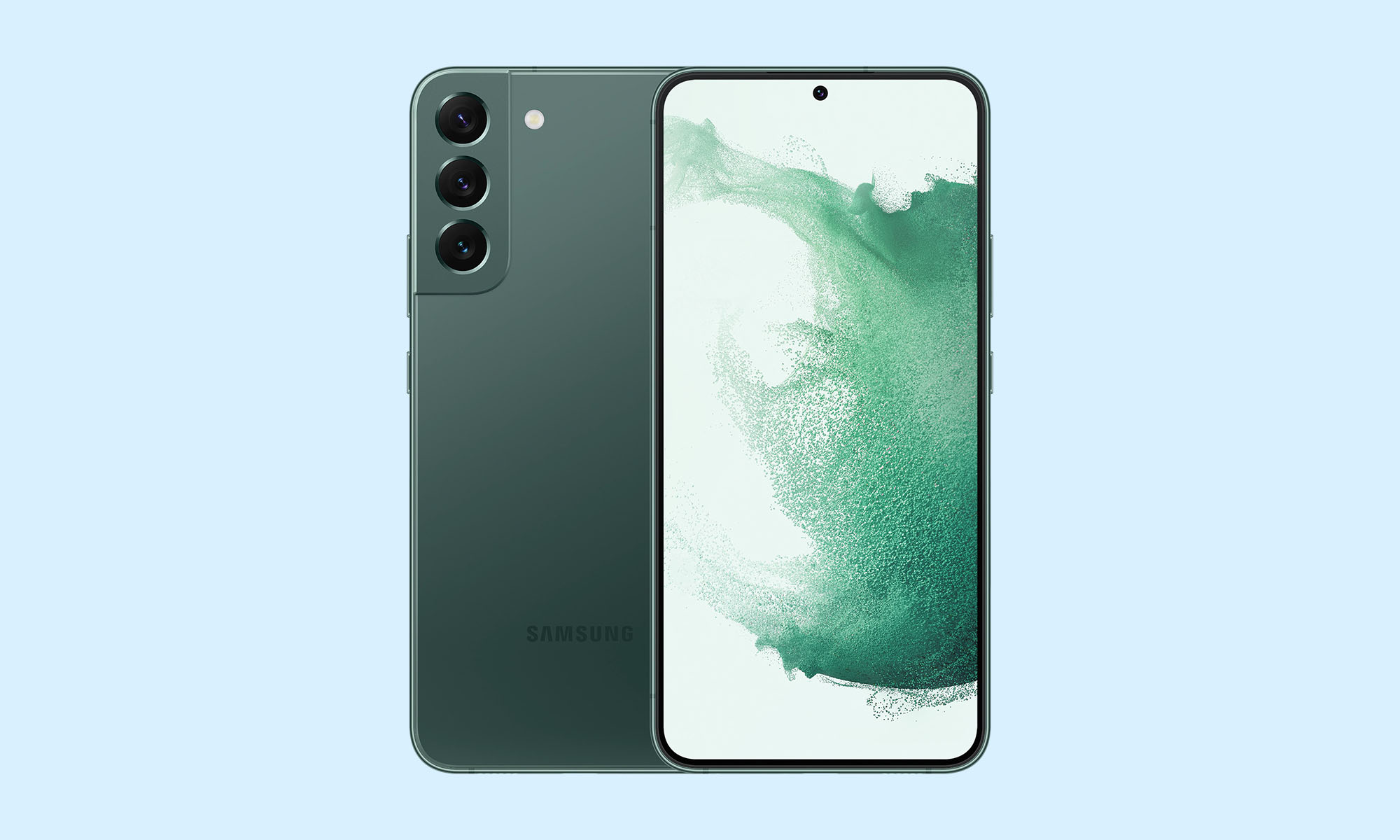
Since the end of February, buyers in the Middle East have been able to pre-order Samsung’s latest generation of its flagship devices. While not a whole lot has changed over the S21, the end products still represent the very best that Samsung and the Android ecosystem have to offer. The three models differ not only in size but also in terms of features, with the S22 Ultra being the only model that comes with the S Pen.
The Galaxy S22 will be available starting March 20 at $890 USD for the standard model, $1,050 USD for the S22 model, and $1,300 USD for the beefed up Ultra model.
Nokia G11 & G21
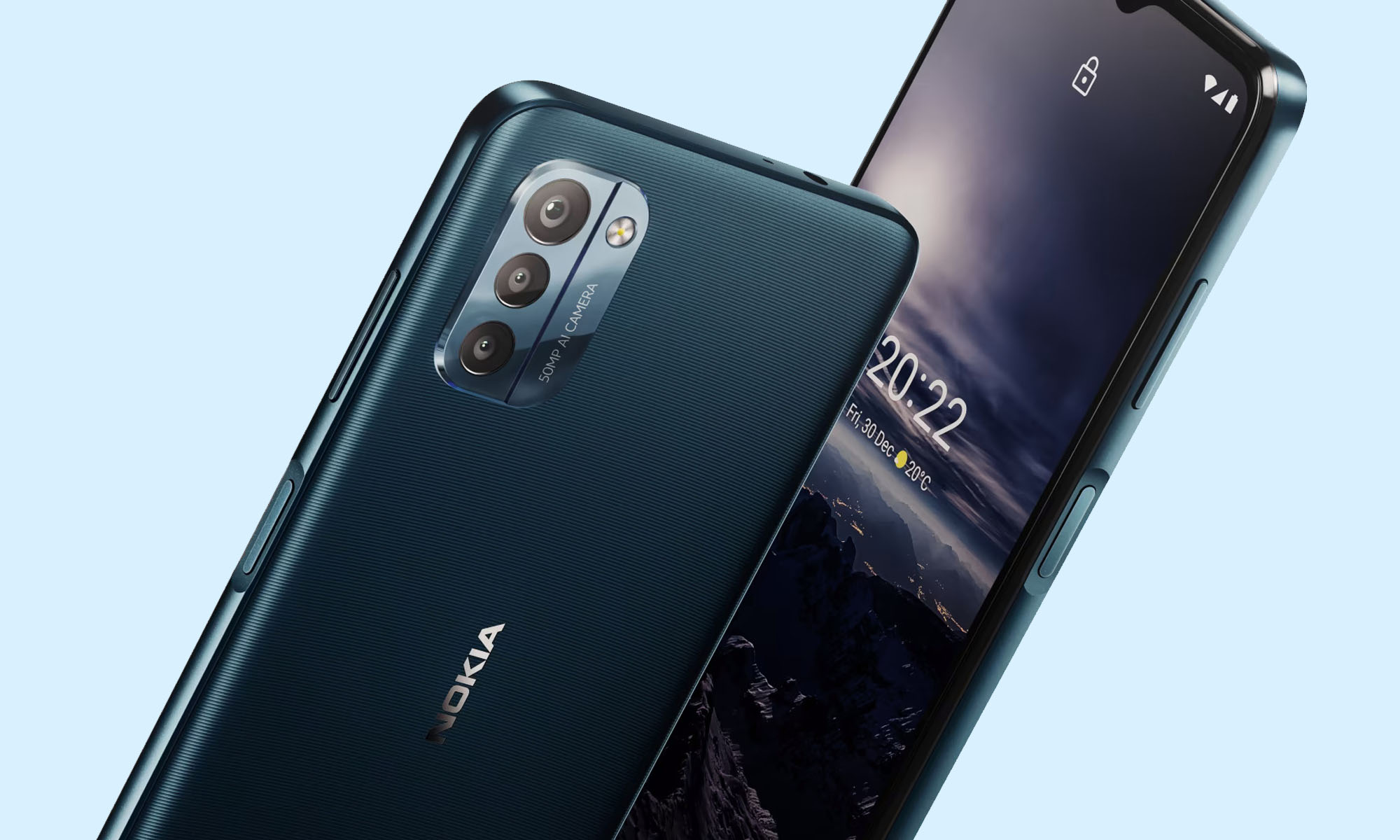
Even though the Nokia G11 costs almost ten times less than the Samsung Galaxy S22 Ultra ($136 USD versus $1,300 USD for the top model), they both have a similar 5,000 mAh battery, enabling them to run for approximately three days on a single charge. The G21 also has a large battery, but it costs $174 because of its slightly better specifications.
The G11 will be available in the Middle East at the end of March, while the G21 has just recently been made available.
Huawei P50 Pro & P50 Pocket
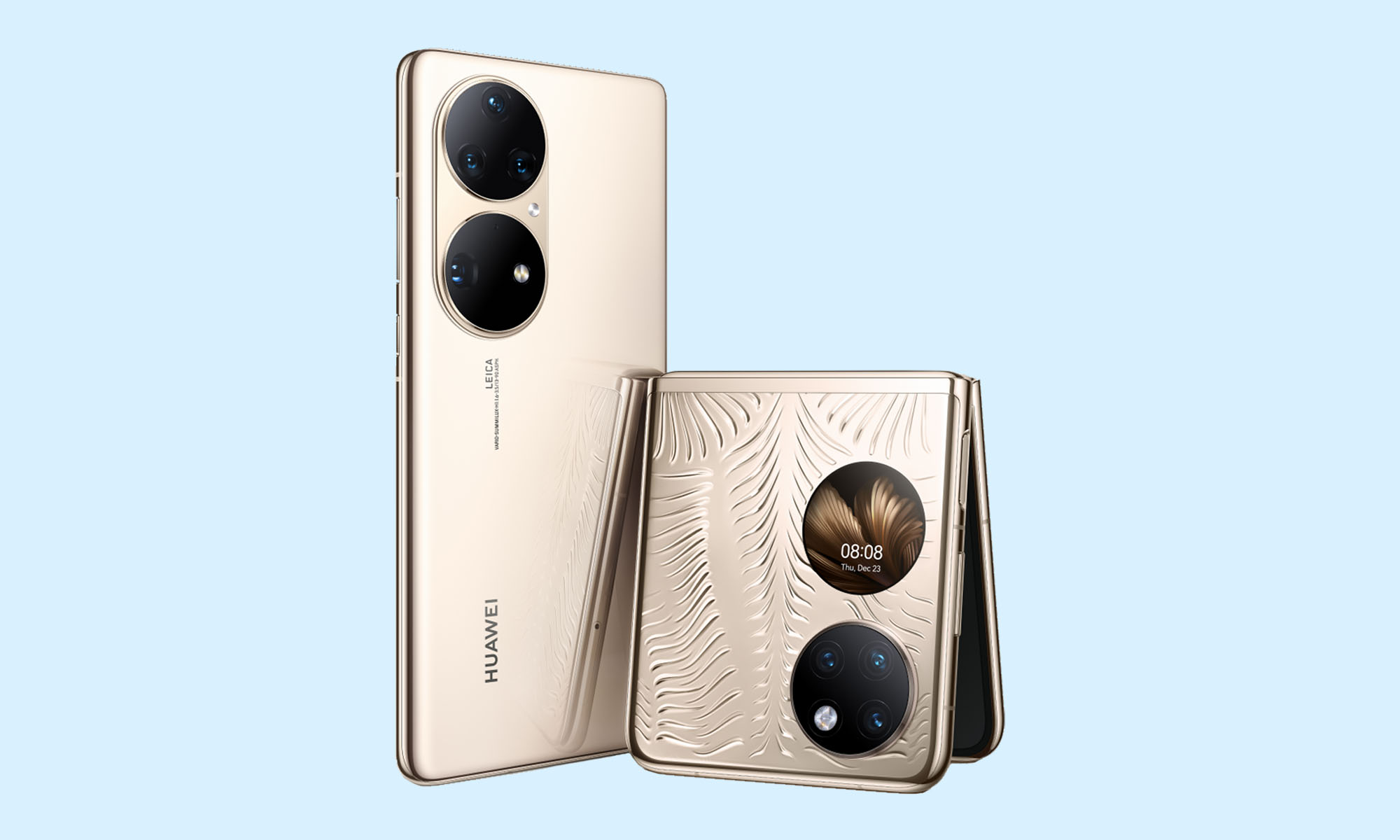
The Huawei P50 Pro and P50 Pocket are the latest and greatest Android smartphones from the Chinese smartphone maker, and they’re both available for pre-order in the Middle East at the time of writing this article. Just like all other Huawei Android smartphones, they don’t come with Google apps pre-installed, but there are many online tutorials that explain how to install them manually.
You can expect to pay $1,100 USD for the P50 Pro, and $1,400 USD for the P50 Pocket.
Xiaomi Redmi Note 11/11S/11 Pro/11 Pro 5G
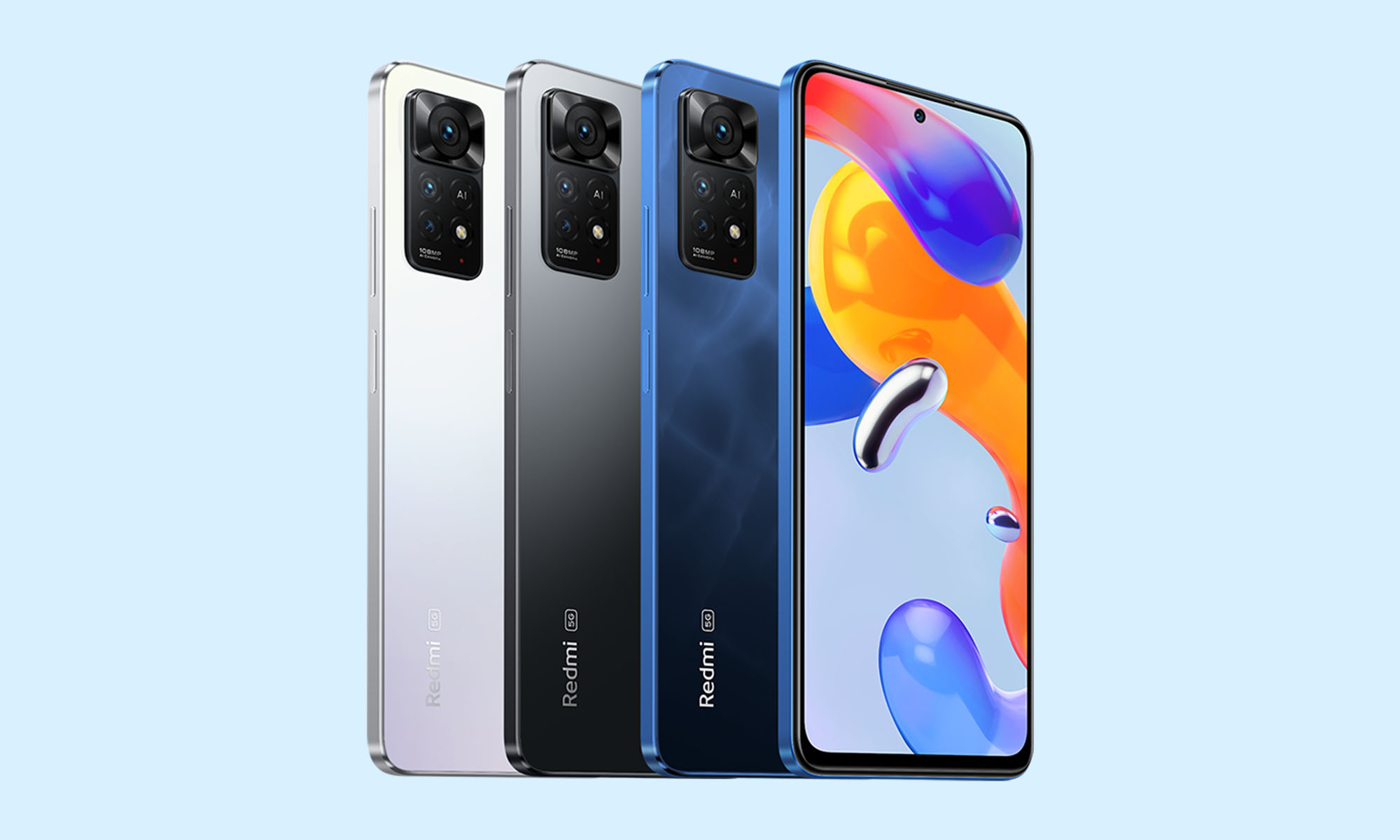
The entire Redmi Note 11 series of Xiaomi smartphones will be available in the Middle East by the early April, offering many attractive mid-range models with above-average specifications. The two top models even have a super-fast 120 Hz screen refresh rate, a feature that is highly sought-after by mobile gamers.
The Note 11 and Note 11S have a refresh rate of 90 Hz, which is decent but not super-impressive these days. The Redmi Note 11 base model will start at $200 USD.




News
Egypt’s Mobile Wallets Are Booming, But Cash Still Has Power
Egypt’s telecom regulator says $57.6 billion moved through more than 57 million wallets in six months. And one operator handled 77% of the value.

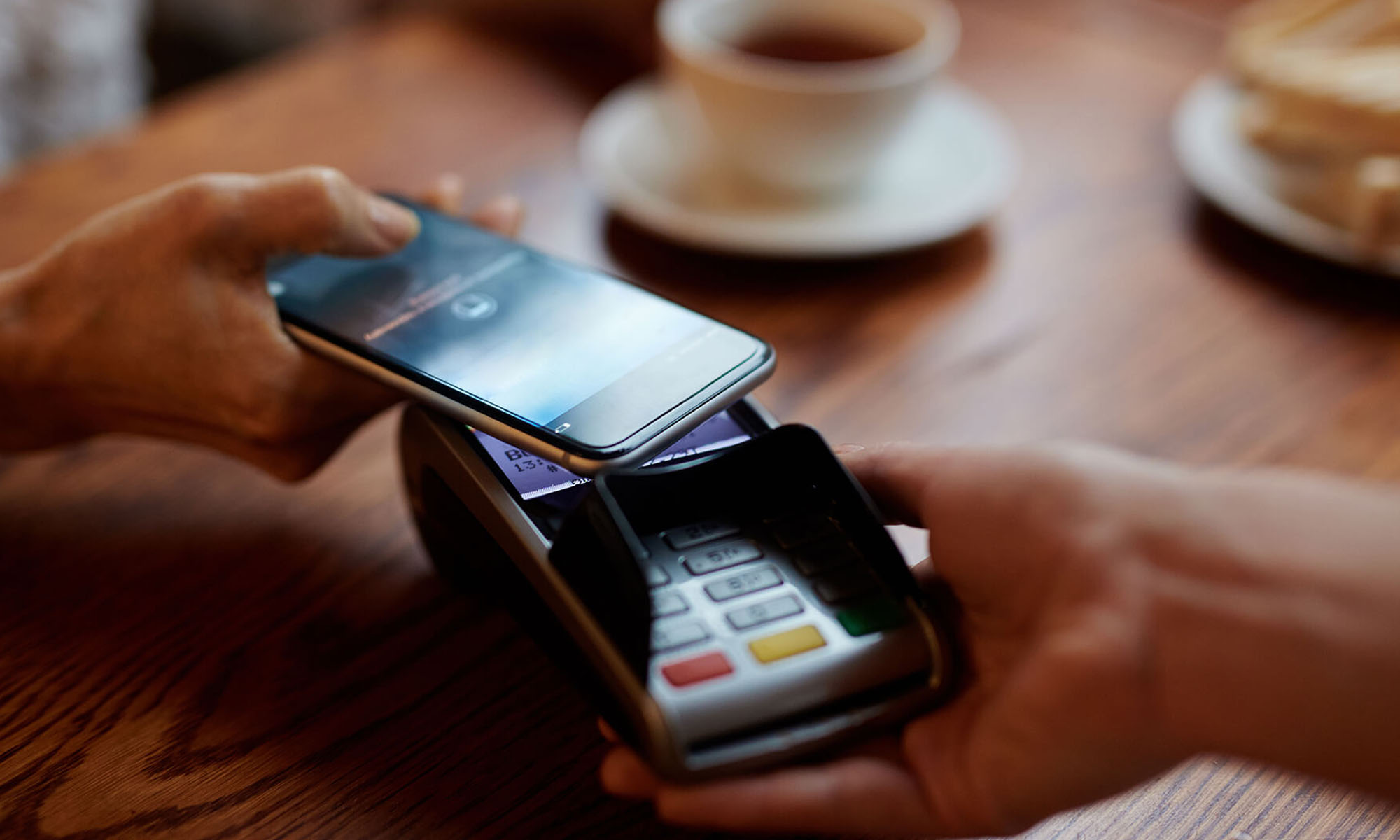
Egypt’s mobile wallets handled EGP 2.96 trillion ($57.6 billion) in transactions in the first half of 2026, according to the National Telecom Regulatory Authority – a 56% rise on the EGP 1.90 trillion ($36.9 billion) recorded a year earlier. Transactions grew faster still, up 62% to 2.22 billion, while registered wallets climbed 23% to 57.01 million.
On one reading, that is exactly what Egypt’s regulators have been pushing for: a payments system that runs through telecom-linked wallets rather than banknotes. But the same data shows how far cash still reaches into it. Cash withdrawals made up just 12% of the transactions taking money out of wallets, yet 75% of the value withdrawn or spent.
Money arrives mostly from bank accounts: transfers through InstaPay accounted for 78% of deposit transactions and 58% of the value deposited, while incoming remittances from abroad made up 3% of deposit transactions but 10% of their value. Once inside, it largely moves between wallets – wallet-to-wallet transfers accounted for 54% of all transactions and 67% of total value, with mobile and internet top-ups a distant second at 25% of volume. In effect, the wallet is serving as a transfer layer: the place money passes through between the bank account and the banknote.
That layer also runs predominantly through one operator. Vodafone Cash held 53% of registered wallets and 57% of active ones, but handled 69% of transactions and 77% of their value. Its nearest rival, e& money, held 23% of registered wallets but 14% of transaction value; Orange Cash 20% and 8%; WE Pay 4% of wallets. How many of the 57.01 million are active is not stated.
Also Read: Visa’s Return To Syria Starts With A Test And A Bank In Lebanon
Adoption is rather uneven in other respects. Men held 38 million wallets, or 67% of the total, against 19 million held by women. Users aged 26 to 45 accounted for half of all wallets, and Cairo alone had 10.6 million, or 19% of the national total, with Giza next at 6.5 million.
The NTRA says it is continuing to work with telecom operators on the regulatory framework for wallet services, part of a wider effort to expand electronic payments and financial inclusion. Its own figures show that effort succeeding on the way in. On the way out, three-quarters of the value still leaves as cash.

Egypt’s Mobile Wallets Are Booming, But Cash Still Has Power

Apple’s First Folding iPhone Arrives Late To A Shrinking Market

Apple’s Latest Product Releases Make The Headlines

Visa’s Return To Syria Starts With A Test And A Bank In Lebanon

RØDE’s New DS3 Studio Arm Is Built For Heavier Creator Setups

Anghami’s New Elite Program Starts With A Three-Decade Catalog

Dubai’s aradus Wants AI To Run The Back Office Of Physical Trade

Qatar Is Getting Its First EV Plant, Built To Cope With Gulf Heat

Qatar Airways Flies The World’s First Starlink-Equipped 787-9

Former Rockstar Director Dismisses GTA 6 Leaks As “Nothing Burger”


-
 News3 weeks ago
Former Rockstar Director Dismisses GTA 6 Leaks As “Nothing Burger”
-
 News3 weeks ago
RØDE’s New DS3 Studio Arm Is Built For Heavier Creator Setups
-

 News3 weeks ago
Dubai Turns AI On Its Own Civil Service To Measure Productivity
-
 News3 weeks ago
Visa’s Return To Syria Starts With A Test And A Bank In Lebanon