
News
NVIDIA Announces New Flagship RTX 4090 & RTX 4080 GPUs
The powerful new graphics cards will feature NVIDIA’s new architecture, with the flagship RTX 4090 sporting 24GB of RAM.

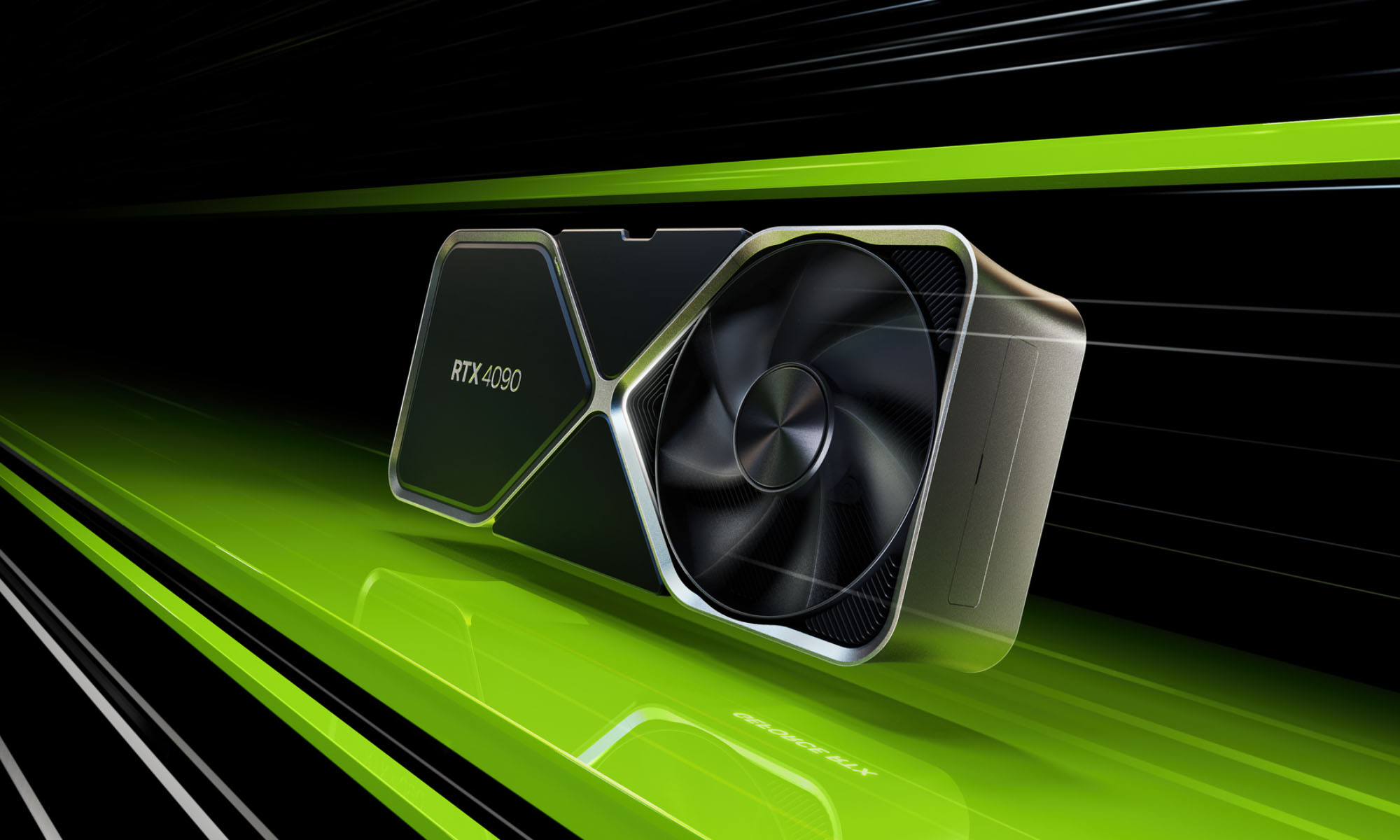
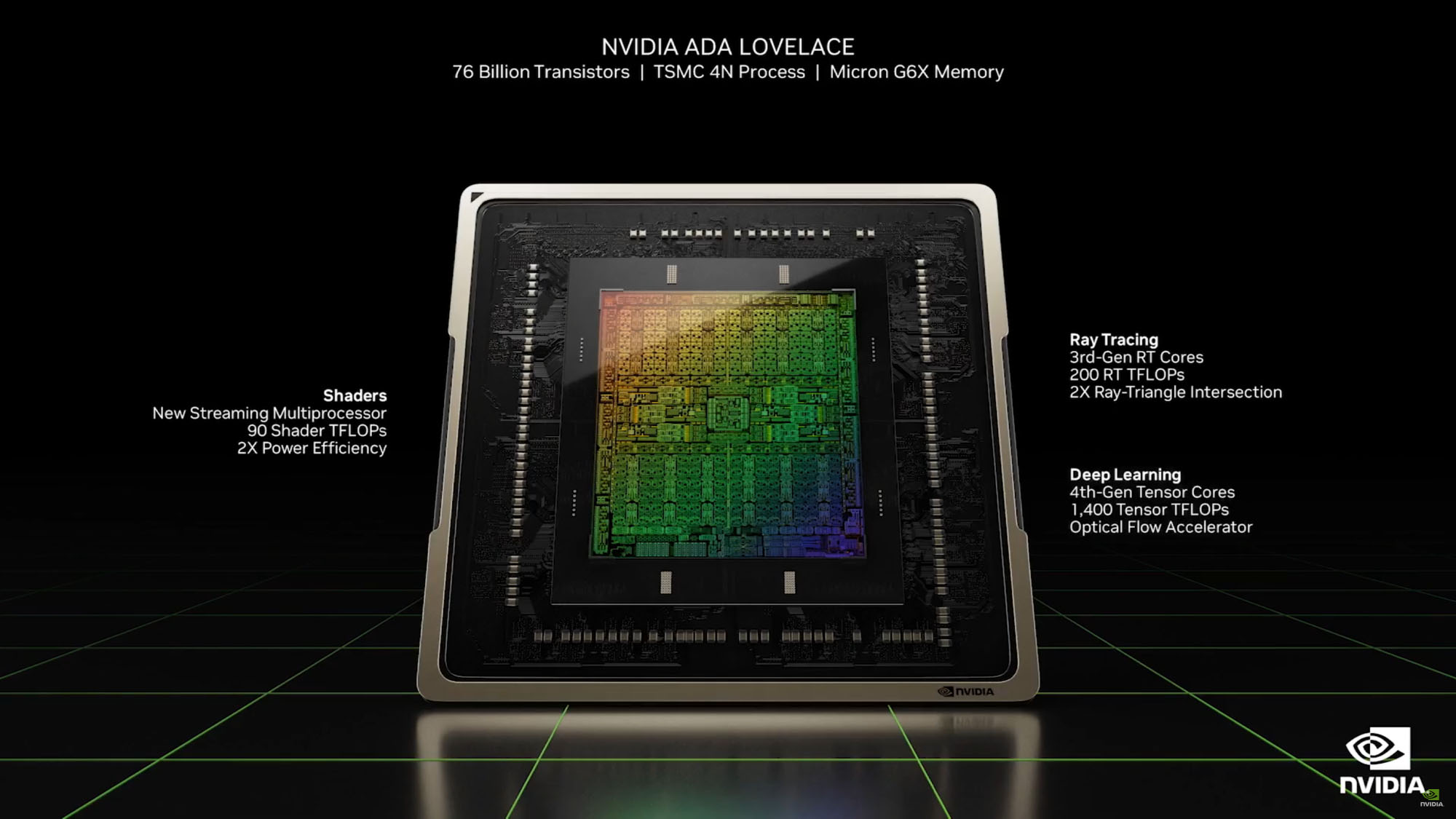
Yesterday, NVIDIA announced its latest RTX 40-series graphics cards, the GeForce RTX 4090 and RTX 4080. Rumors have been circulating for months about the release of the flagship GPUs, which feature NVIDIA’s new “Ada Lovelace” architecture, named after the mathematician who worked on Charles Babbage’s early computer, named the Analytical Engine.
History lessons aside, the new cards use the third-generation DLSS, with the RTX 4090 packed with 24GB of G6X RAM, which NVIDIA claims will make it two to four times faster than the outgoing RTX 3090 Ti — though you’ll have to pay $1,599 to experience the flagship’s raw power when it launches on October 12th.
The RTX 4080 was announced simultaneously, with two separate memory configurations of 12GB and 16GB. The RTX 4080 is also claimed to be two to four times faster than the outgoing RTX 3080 Ti model. No release date has been given for the RTX 4080 GPUs, though NVIDIA says the cards will be released in November, with a retail price of $899 for the 12GB model and $1,199 for the 16GB variant.
The RTX launch also showed off NVIDIA’s Founders Edition graphics cards, which are limited edition in-house models released before hardware partners such as Asus, Colorful, Gainward, Galaxy, Gigabyte, INNO3D, MSI, Palit, PNY, and Zotac use the technology in their own models.
“For our new GeForce RTX 40 Series Founders Edition graphics cards, we’ve further optimized the Dual Axial Flow Through system, increasing fan sizes and fin volume by 10%, and upgrading to a 23-phase power supply. Memory temperatures are reduced, and the new, substantially more powerful Ada GPUs are kept cool in ventilated cases, giving gamers excellent overclocking headroom,” says Andrew Burnes, technical marketer at NVIDIA.
Also Read: Snapchat Is Now Available For Everyone Via Web Browser
Although the 40-series cards are now official and about to launch, RTX 30-series GPUs are likely to be around for some time. Earlier this year, NVIDIA was forced to adjust pricing on many of its cards due to excess stock, leading to RTX 30-series cards appearing at their correct retail prices, despite several years of price hikes by traders.
The launch of RTX 40-series GPUs comes at a tough time for NVIDIA and the graphics card market in general. Demand has fallen since the recent crypto crash, and the Ethereum merge. Combine this with soaring electricity prices, and the future looks uncertain for the market as a whole, despite the considerable power boost that cards like the RTX 4090 promise.




News
Abu Dhabi’s Robot Kitchen Is Serving Up Biryani, Not Burgers
Circus SE wants to put a tiny automated factory inside the buildings where Gulf residents live and work, bypassing part of last-mile delivery.
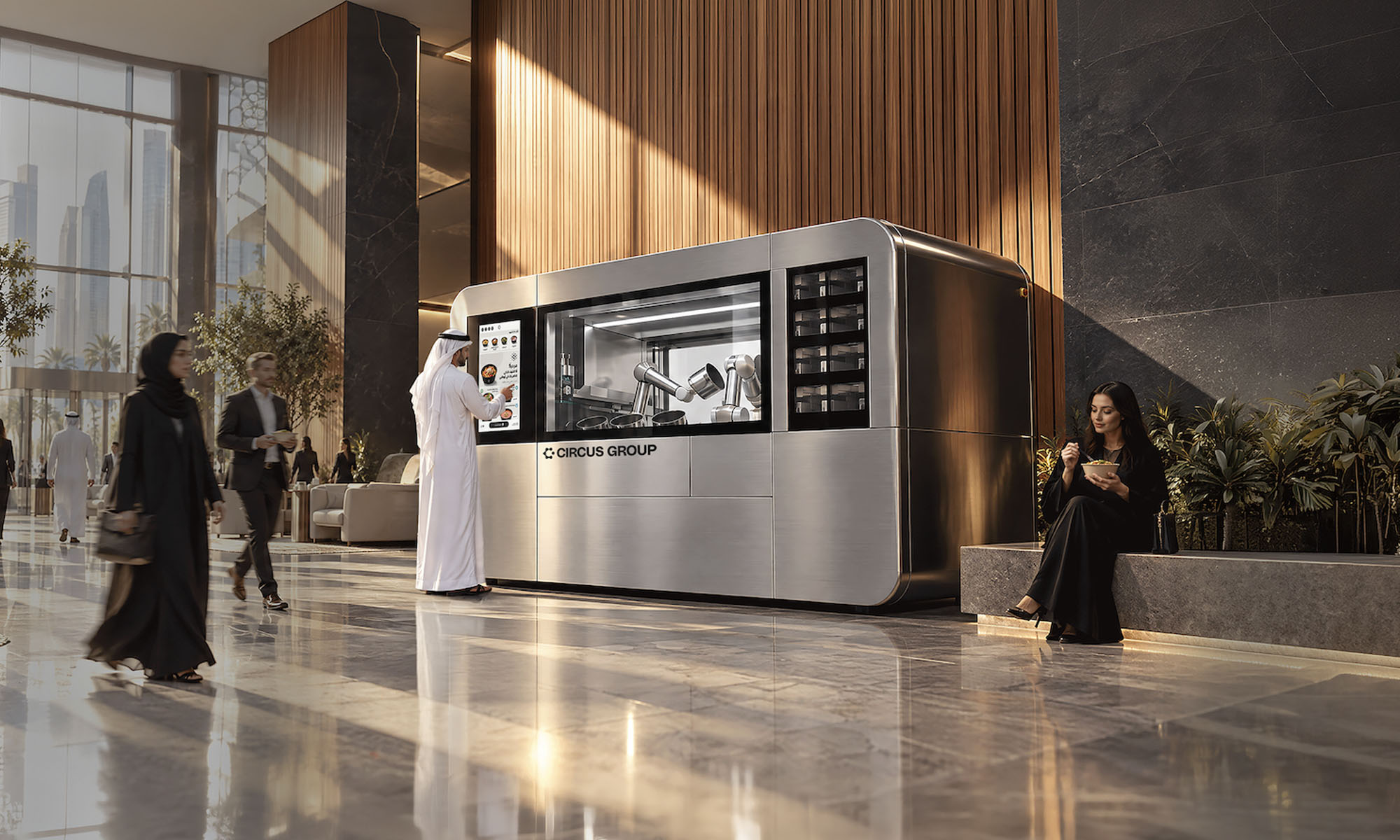
The most telling thing about a new autonomous kitchen now running in Abu Dhabi’s Marina Square is what it won’t cook:
“We don’t do fast food,” says Nikolas Bullwinkel, Founder and CEO of Circus SE. “We’ve actively decided not to build a machine that can only do burgers”.
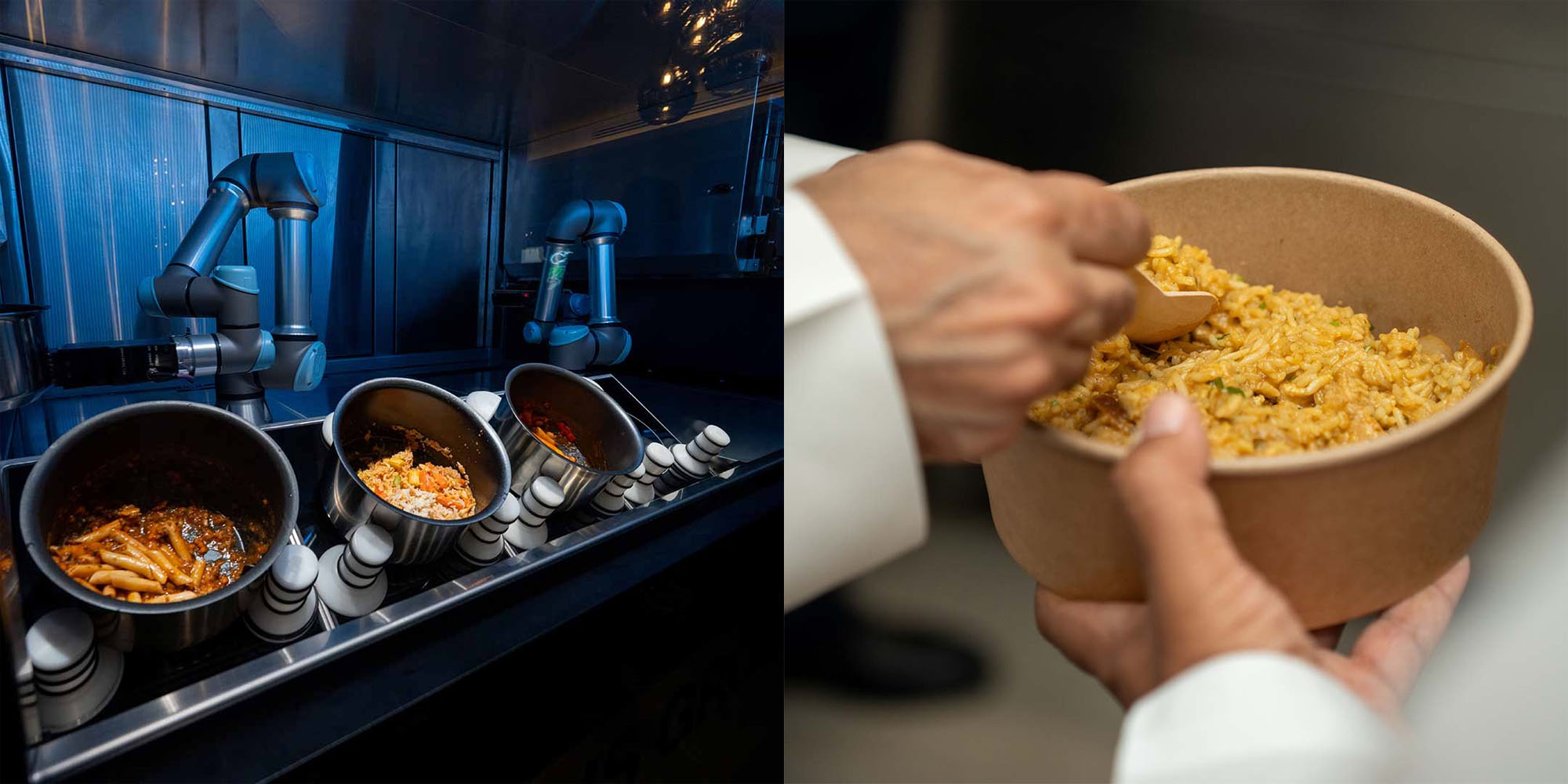
Instead, the CA-1 system is built around pot-based cooking: curries, pastas, soups and rice dishes. After experimenting with highly personalized recipes, Circus deliberately leaned back toward recognizable food. “We’re going with a chicken biryani because you know it,” Bullwinkel says of the AED 40 dish.
The Germany-based robotics and food technology company operates across eight countries, and Abu Dhabi is its first deployment outside Europe. More locations are expected there and in Dubai.
In Germany, its units can be placed in supermarkets, gas stations, airports and hospitals. In the Gulf, Bullwinkel wants them inside residential and office buildings, replacing some of the complexity of last-mile delivery. “We’re basically bringing a very tiny factory a few square meters into your building,” he says. Catering company Royal Prestige supplies the ingredients and knowledge of local tastes.
The CA-1 manages up to 36 refrigerated ingredient silos alongside automated induction cooking, robotic plating and a self-cleaning dishwasher. Two robotic arms move ingredients through the system with minimal human intervention. It can produce up to 120 hot meals an hour, and a meal such as rice and curry can take around three to four minutes.
Also Read: Ooredoo Qatar’s 5G+ Network Is Built For Machines As Much As People
Five cameras and multiple sensors monitor heat, temperature and consistency, an attempt to approximate what a chef perceives. “You can hear something gets burned, you can smell it, you can see it at some point,” Bullwinkel says. CircusOS, the company’s operating system, adjusts recipes in real time.
You might think of the platform as a threat to kitchen staff, but Bullwinkel frames Circus as a way for chefs to develop recipes and distribute them at scale. With that being said, rising labor costs and shortages are also part of his case for automation.

Abu Dhabi’s Robot Kitchen Is Serving Up Biryani, Not Burgers

Sennheiser’s MOMENTUM 5 Series Bets On Batteries You Can Swap

UAE’s 3-Minute University Registration Runs On Government Data

How Online Ads Became A Delivery System For Zero-Click Spyware

Shokz OpenDots 2 Review: Clip-On Audio Gets A Bass-Heavy Makeover

Microsoft Plans $10 Billion-Plus Gulf Expansion Despite Iran Conflict

NEOPAY Wants To Follow Merchants Across Channels And Borders

RØDE’s Low-Profile Studio Arm Is Designed To Stay Out Of Shot

Dubai Says Its Deepfake Detector Needs Just 7 Seconds Of Video

New Disney+ Streaming App Has Officially Launched In The UAE


-
 News3 weeks ago
NEOPAY Wants To Follow Merchants Across Channels And Borders
-
 News3 weeks ago
RØDE’s Low-Profile Studio Arm Is Designed To Stay Out Of Shot
-
 News2 weeks ago
Dubai Says Its Deepfake Detector Needs Just 7 Seconds Of Video
-
 News2 weeks ago
New Disney+ Streaming App Has Officially Launched In The UAE