
News
Admitad Is Now “Mitgo”, With Big Investment Planned By 2025
As a multinational company with assets in MarTech, FinTech and more, Mitgo plans to play a big role in the MENA region’s future.

Amitad, a global Performance Marketing platform and IT solutions provider, is morphing into “Mitgo”, which will become the new parent holding company for the wider Admitad group.
The move aims to simplify the current corporate structure, allowing the separate entities within the group to develop more freely, alongside plans to launch a startup incubator and entrepreneur network.
Over the past five years, Admitad has seen strong growth in the MENA region, having spent over $30 million in acquisitions and various new project launches. In 2022, the provider’s solutions generated in excess of 130 million orders for 35,000 online merchants and monetized the audiences of 100,000 publishers.
To coincide with the group’s restructuring, founder Alexander Bachmann will step in as CEO of the newly-formed Mitgo.
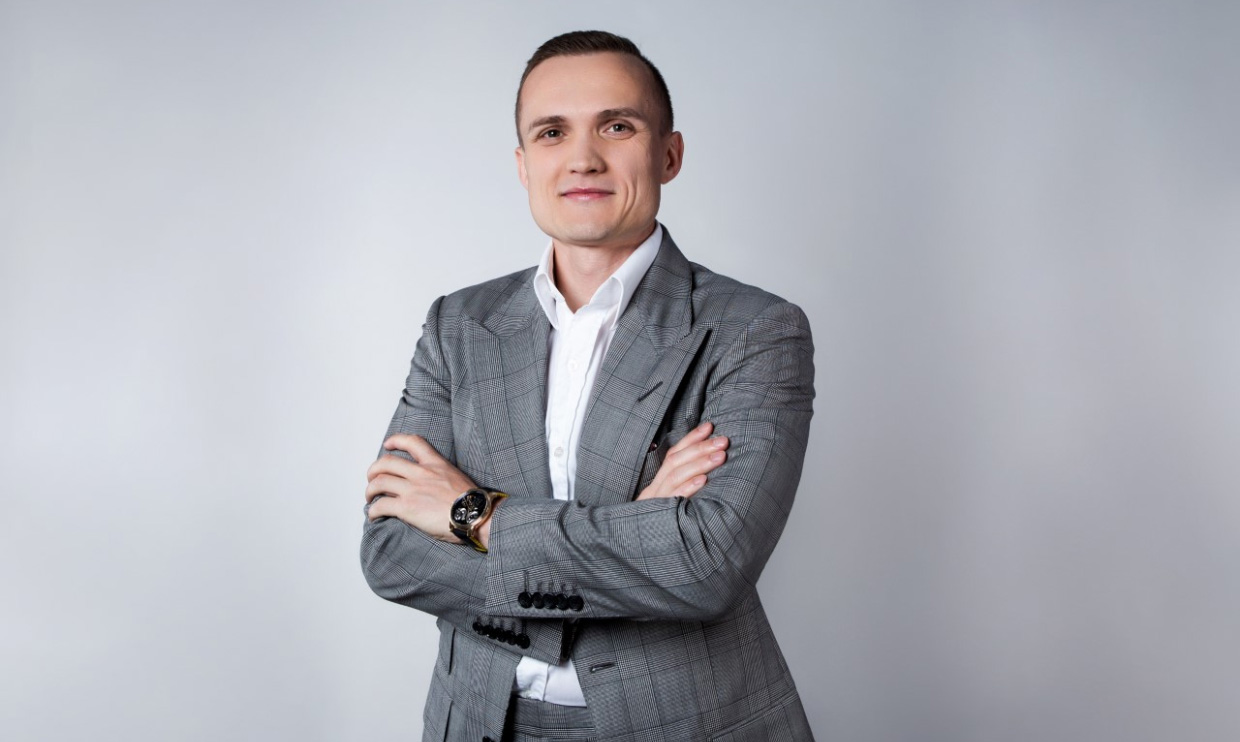
“The worldwide economy is changing rapidly. By developing its products and investing in promising new projects, Mitgo will make a major contribution to the development of industries such as eCommerce, AdTech, and MarTech. An innovation-focused approach is the very backbone of Mitgo’s business operation. This new company structure will allow us even more freedom to launch ventures, acquire, invest – and attract investment,” says Alexander Bachmann, Mitgo CEO.
Also Read: myAster App Will Connect Patients To Doctors In 30 Minutes
In addition to contributing to various MENA industries, Mitgo will also form a startup incubator, supporting grass-roots initiatives and helping to drive funding to promising new ventures.
As well as offices in 10+ countries and a team of over 700 professionals, Mitgo boasts an extensive family of companies under its umbrella. From coupon and voucher advertising solutions such as FairSavings to influencer marketing from ConvertSocial, the group continues to grow from strength to strength, with further investments of $75-$100 million planned before 2025.







News
A Three-Clinic Network Bets Dubai Is Ready For Longevity Medicine
Longevium has enlisted nearly 100 clinicians and created an AI platform in a bid to sell biological-age tracking as a medicine, not a wellness service.

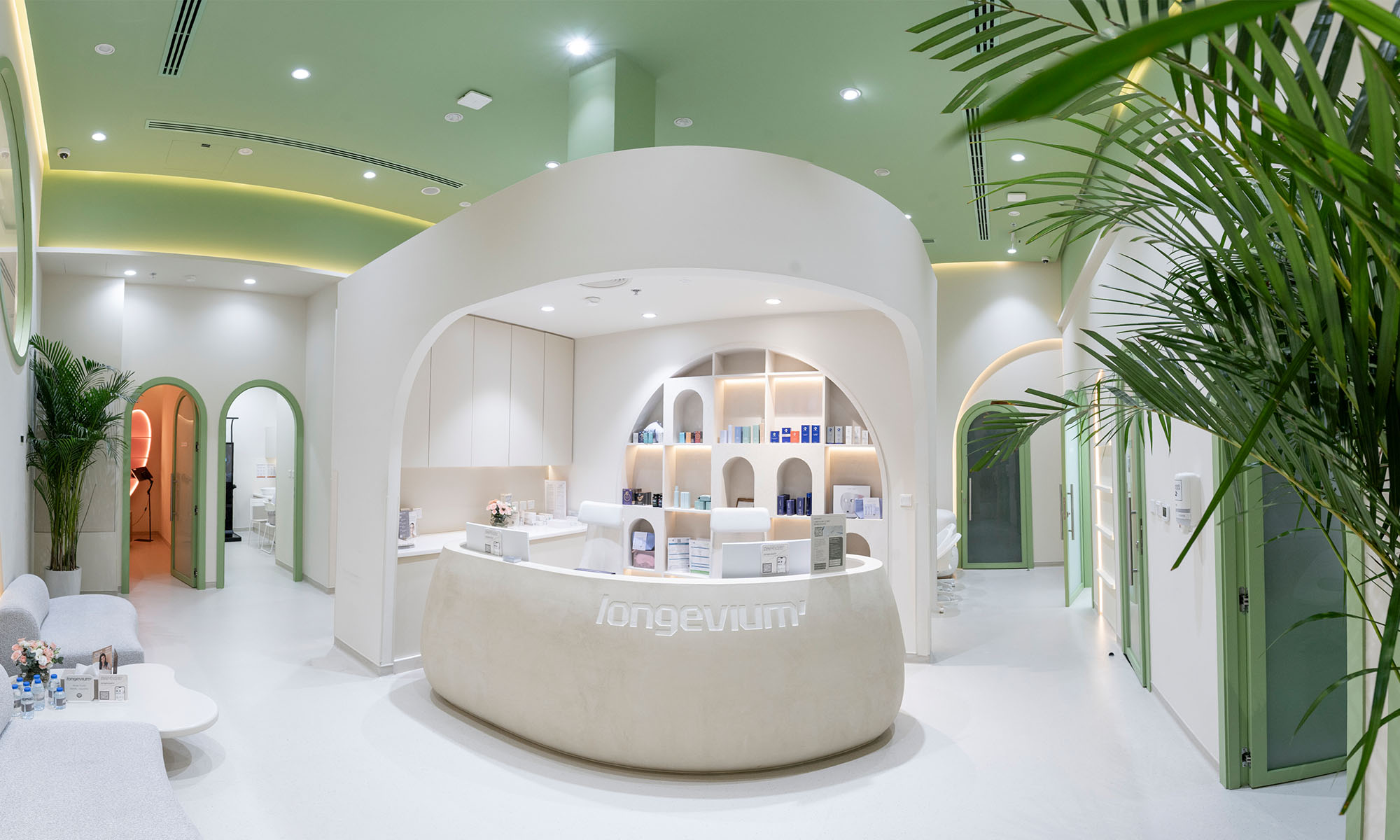
Dubai has been busily creating the scaffolding for a longevity industry, including a dedicated regulatory authority and a health market deep enough to sustain it. Now the clinics are arriving.
Longevium, a longevity clinic network, has opened three locations across the city: a flagship at Triple Seven Mall on Jumeirah 3, and branches in Jumeirah Lake Towers and Jumeirah Village Circle. Together they house a multidisciplinary team of nearly 100 physicians and specialists offering what the company bills as “a measurable medical system for longevity”.

The pitch is that longevity medicine should look less like a wellness menu and more like continuous clinical care. Each patient’s biological age assessment, laboratory results, body composition, cardiovascular risk factors, metabolic markers, and lifestyle data feed into a single profile, with a proprietary AI platform helping physicians track progress and adjust protocols against the patient’s own biomarkers.
“Healthy aging must be approached clinically through diagnostics, biomarkers, physician supervision, longitudinal tracking, and protocols tailored to the individual,” said Dr. Ksenia Butova, Longevium’s founder and CEO. “Our goal is to help patients understand their health trajectory before disease develops, and then actively change that trajectory”.
The treatment list spans peptide-based protocols, exosome therapies, stem cell approaches, GLP-1 metabolic optimization, hormone balance programs, cardiovascular prevention, and regenerative aesthetics — a model built for the entrepreneurs, executives, and international patients the clinic says want measurable results rather than generic wellness. A signature offering, Longevity Day, compresses biomarker testing, ultrasound and vascular imaging, specialist consultations, IV therapy, and a personalized optimization roadmap into a single three-hour visit.
Also Read: Dubai Certifies The World’s First Purpose-Built Air Taxi Vertiport
“Here, longevity, biotechnology, AI, prevention, and regenerative medicine are converging into a single ecosystem,” said Butova. “This is why Longevium was built in Dubai, and why we believe the UAE can become a global reference point for longevity medicine”.
The emirate established the Dubai Longevity Authority in 2026 to oversee its longevity, wellness, and advanced health sectors, and the Dubai Health Authority reported insured beneficiaries exceeding 4.9 million in 2025, up around 6.5%, with insurance claims reaching approximately 49.6 million, up around 13.5%.

A Three-Clinic Network Bets Dubai Is Ready For Longevity Medicine

YouTube Rolls Out Supervised Children’s Accounts Across MENA

Meta’s New AI Tool Builds Images From Public Instagram Photos

Tamper With The Recording LED & Meta’s Glasses Kill Camera

Samsung’s Next Unpacked Could Bring Two Galaxy Z Fold 8 Models

LUVED Is A New Curated Preloved Marketplace For The UAE

Can AI Save Your Relationship? This New “Wingman” App Thinks It Can

WhatsApp Usernames Are Coming: Here’s How To Claim Yours

Dubai Certifies The World’s First Purpose-Built Air Taxi Vertiport

OpenAI Cleared To Launch GPT-5.6 Publicly After Government Review


-

 News2 months ago
DJI Teases Dual-Camera Osmo Pocket 4P For 2026 Launch
-

 Web32 months ago
2026 Crypto Trends: Bitcoin, ETFs & The Future Of Payments
-

 News2 months ago
Lebanon Ministers Meet Visa Over National Digital Payment Platform
-

 News2 months ago
At I/O 2026, Sundar Pichai Concedes AI Must Deliver Real Value