
News
Google Cloud Announces New Regional Hub In Qatar
The initiative is expected to bolster the country’s economic output by $18.9 billion from 2023 to 2030 and will eventually generate an additional 25,000 jobs.

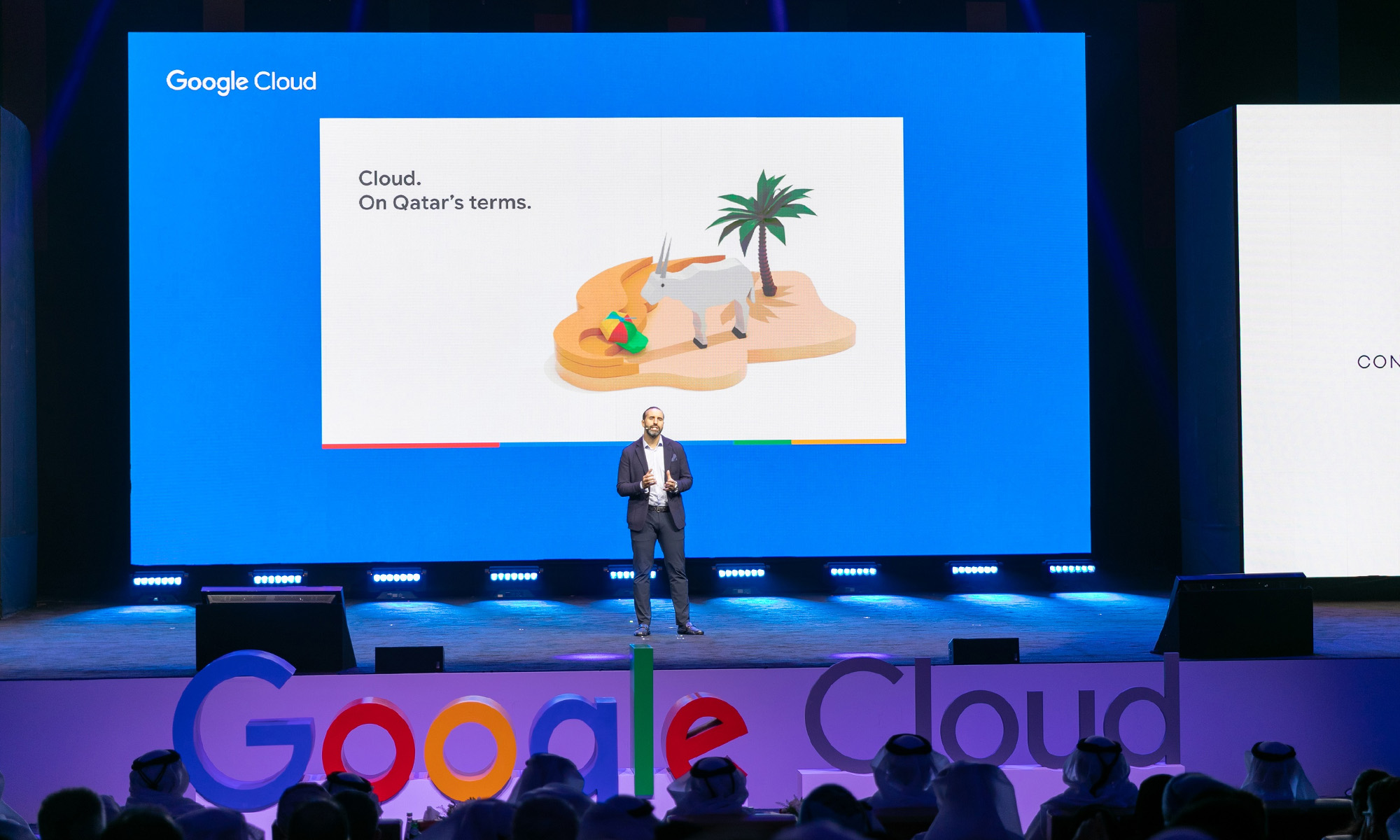
Google Cloud is working with Qatar’s Ministry of Communications and Information Technology and the Qatar Free Zone Authority to establish a regional hub in the country’s capital, Doha.
The hub will be the company’s first in the GCC region. It will focus on the digital transformation of the company in Qatar and the wider Middle East, helping Google to develop its products and services.
The Doha hub was recently announced as part of Google Cloud’s global network of 37 regions and 112 zones. As a result of the expansion, Google Cloud services can now be used in over 200 countries and territories worldwide.
According to research by Google Cloud (conducted by Access Partnership), creating a new hub is anticipated to impact Qatar’s economy significantly. Between 2023 and 2030, the manufacturing facility will contribute approximately $18.9 billion to Qatar’s economic output and is also expected to create around 25,000 jobs by 2030.
Google says the new Doha regional hub will have three areas where users can submit apps and store them for better protection against attacks. The infrastructure will also include Google’s major cloud products, such as Computer Engine, Cloud Run, Cloud SQL, Google Kubernetes Engine, Spanner, and more. These products provide users with various tools and features to meet their cloud needs and support them with their digital processes.
Also Read: Saudi-Based Mozn Uses AI To Detect Money Laundering & Fraud
The official announcement was made at a launch event attended by Qatari cabinet officials and business leaders, highlighting the importance of Google’s regional expansion to local cloud infrastructure.
Minister of Communications and Information Technology Mohammed bin Ali Al Mannai welcomed the announcement, declaring that the new hub aligns with Qatar’s National Vision 2030, stating, “The new cloud region will contribute to giving impetus to economic and productivity growth, and will allow various government and private companies and institutions within Qatar the opportunity to achieve significant efficiency gains by adopting flexible features in dealing with digital technology”.




News
Ooredoo Qatar’s 5G+ Network Is Built For Machines As Much As People
Built on 5G Standalone and 5G Advanced, the upgrade lays the groundwork for Qatar’s 2030 digital ambitions.


Ooredoo Qatar has launched what it calls the country’s first 5G+ mobile network. Customers get faster connections, but much of what the operator is promising is aimed at machines.
5G+ isn’t a new generation of mobile technology so much as a layering of upgrades, building on 5G Standalone and 5G Advanced. The result is the familiar trio of higher speeds, greater capacity and lower latency.
For consumers, Ooredoo promises smoother streaming, more responsive gaming and steadier connections on the move. The service is commercially available through mobile broadband in 5G+ coverage areas, and the operator is aiming it at campers during the camping season. The network has been deployed at locations across Qatar, but the announcement doesn’t name them, say whether smartphone plans are included or put figures on the speed and latency gains.
The business case is more detailed: Greater capacity lets more devices connect and exchange data efficiently, while shorter response times support real-time equipment monitoring and automated processes. Network slicing tailors connectivity to specific uses, and 5G Advanced combined with edge computing targets mission-critical applications that require rapid responses. Expanded IoT capabilities cover industrial sensors, asset trackers and utility meters, the building blocks for automation and future smart city services. The company also cites AI-enabled services and complex digital workloads.
Also Read: WHOOP Goes Arabic, Betting On The Gulf’s Appetite For Health Data
“With the 5G+ network, we are enhancing everyday digital experiences for our consumers, enabling innovation, and strengthening the competitiveness of businesses across the country,” said Sheikh Ali bin Jabor bin Mohammad Al Thani, chief executive officer of Ooredoo Qatar.
“From launching the world’s first 5G network in 2018 to deploying Qatar’s first 5G Standalone core network, we have consistently advanced connectivity,” he added.
Ooredoo ties the rollout to Qatar National Vision 2030 and the Digital Agenda 2030, framing it as part of the country’s effort to strengthen its position as a leading regional digital hub. For that ambition, the devices that matter most may be the ones without screens.

Shokz OpenDots 2 Review: Clip-On Audio Gets A Bass-Heavy Makeover

Ooredoo Qatar’s 5G+ Network Is Built For Machines As Much As People

G42’s Inception42 Wants AI To Show Its Work Before Investors Commit

WHOOP Goes Arabic, Betting On The Gulf’s Appetite For Health Data

New Disney+ Streaming App Has Officially Launched In The UAE

In Kuwait, Your Surgeon Might Be Operating From Another Country

Microsoft Plans $10 Billion-Plus Gulf Expansion Despite Iran Conflict

Qatar Folds 45 State Companies Into A Single Investment Platform

NEOPAY Wants To Follow Merchants Across Channels And Borders

RØDE’s Low-Profile Studio Arm Is Designed To Stay Out Of Shot


-
 News3 weeks ago
In Kuwait, Your Surgeon Might Be Operating From Another Country
-
 News3 weeks ago
Microsoft Plans $10 Billion-Plus Gulf Expansion Despite Iran Conflict
-
 News3 weeks ago
Qatar Folds 45 State Companies Into A Single Investment Platform
-
 News2 weeks ago
NEOPAY Wants To Follow Merchants Across Channels And Borders