
News
Eufy’s New 360° 4K Camera Doesn’t Require Wi-Fi Or Mains Power
The device has the same $249.99 launch price as the firm’s previous LTE-equipped Starlight camera but offers many more features.

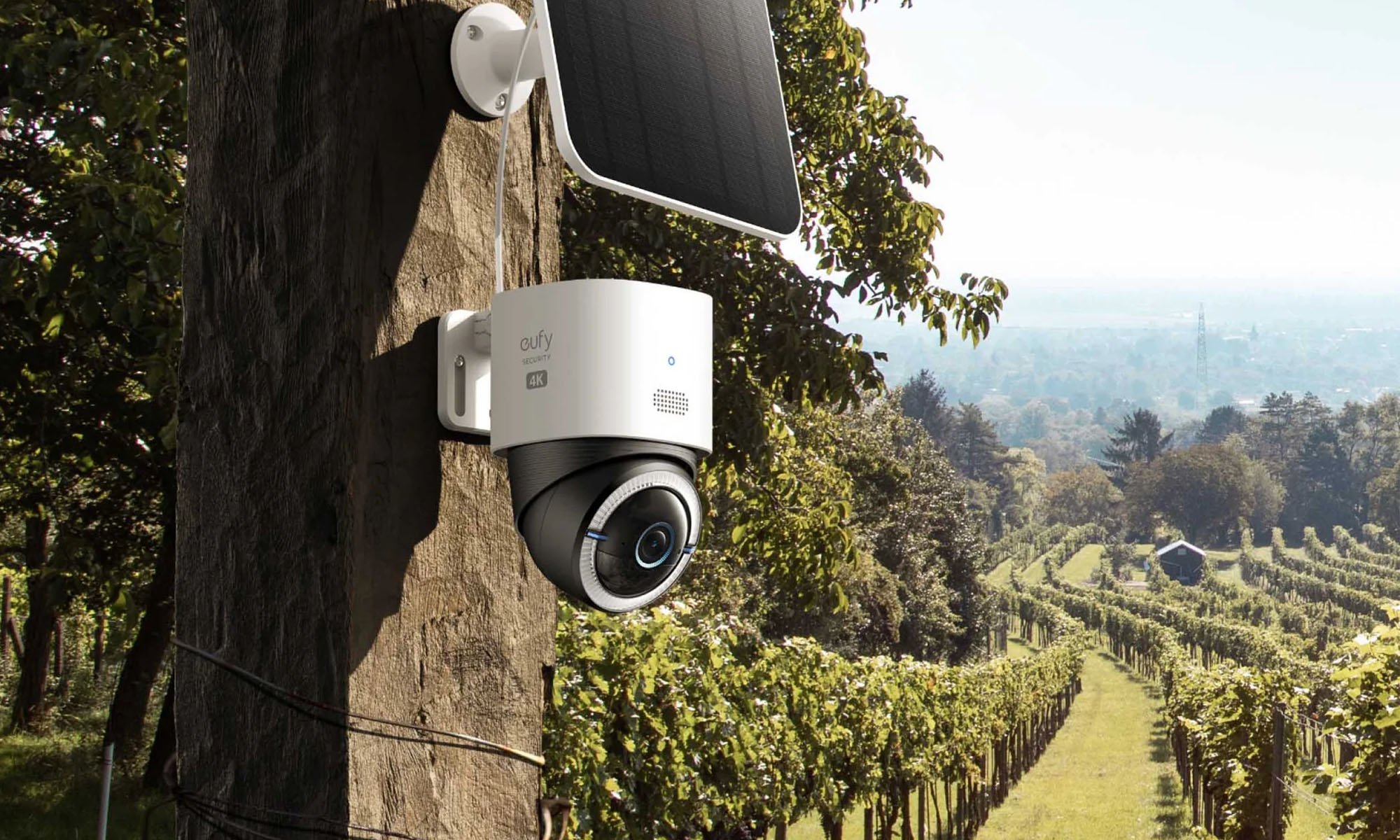
Anker’s Eufy division has unveiled the S330, a feature-packed and fully self-sufficient 4K security camera offering a full 360-degree field of view, with pan up to 344 degrees and tilt capabilities of 70 degrees. What sets the device apart is its ability to operate autonomously without the need for Wi-Fi or conventional power sources, a feature the company touts as “off-the-grid freedom”.
Priced at $249.99, the Eufy 4G LTE Cam S330 utilizes LTE (4G) connectivity, bypassing the necessity for Wi-Fi by tapping into nearby cell towers. In addition, it features a removable solar panel, requiring just two hours of sunlight to sustain its 36.2Wh battery. With a battery life of up to one month on a single charge, it remains operational even in adverse or overcast weather conditions.
The S330 effectively addresses previous concerns with LTE-enabled cameras, offering versatile installation options for both urban and remote settings. Designed to withstand extreme temperatures (-4 to 122 degrees Fahrenheit) and equipped with AI-powered detection for vehicles and humans, it also ensures minimal false alarms.
Also Read: Meet LiFi: The New Tech Delivering High-Speed Internet Using Light
Additionally, the S330 incorporates a 100-lumen spotlight for illumination and supports two-way audio, alarm activation, and voice control via Google Assistant and Amazon Alexa. Local storage of up to eight months’ worth of recordings is facilitated by a 32GB microSD card, with expansion options up to 128 GB.
Eufy claims there are no activation fees or contracts for utilizing the camera’s SIM card facility, but users will need to pay for any data used after the initial 100MB trial has been used up. Apparently, the S330 uses an average of 700 MB a month, which is definitely something you’ll want to factor in before making a purchase.

News
Microsoft Plans $10 Billion-Plus Gulf Expansion Despite Iran Conflict
Security is shaping Microsoft’s approach, from resilience work with governments to what it will say about how the money splits by country.
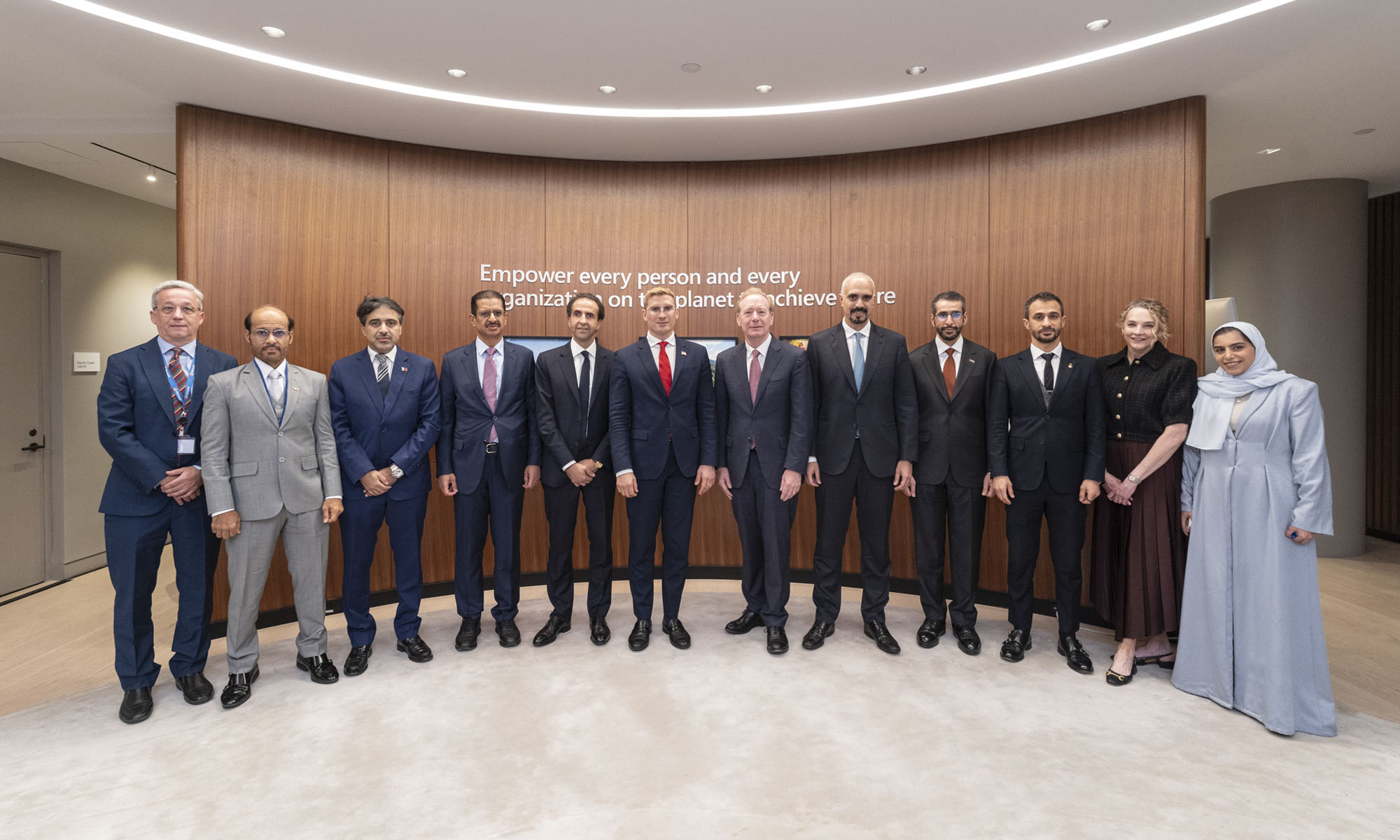
Microsoft is planning more than $10 billion of investment across the UAE, Saudi Arabia, Qatar and Kuwait through 2030, Vice Chair and President Brad Smith told Reuters, calling the spending schedule aggressive. The Iranian conflict that began on February 28 has not persuaded the company to scale back.
“We’re sustaining all the investments we planned to make before this conflict started, and we are in fact adding to them,” Smith said. The $10 billion-plus total does not, however, show how large those additions are.
The investment, which Smith described as part of Microsoft’s continued infrastructure expansion, is aimed at cloud and AI infrastructure and at the company’s growing regional operations. Microsoft also intends to put more than $400 million into subsea and terrestrial connectivity across the Middle East by 2030.
The spending fits the region’s own ambitions too. Gulf governments have been investing heavily in AI infrastructure as part of a push to diversify their economies beyond oil and gas and turn themselves into global technology hubs. Major cloud and AI providers have been drawn in part by the land and relatively low-cost energy on offer.
Microsoft is widening its partnerships with regional AI companies, though not on identical terms. In 2024, it invested $1.5 billion in Abu Dhabi-based G42 for a minority stake, and Smith currently sits on G42’s board. Saudi Arabia’s Humain and Qatar’s Qai are working with Microsoft on selected priority areas, but Smith said the company does not plan to make capital investments in either.
Also Read: Egypt’s Mobile Wallets Are Booming, But Cash Still Has Power
The conflict has added another strand to Microsoft’s work in the region. Since it began, Smith said, the company has supported regional partners with digital resilience assessments, and it is now working with Gulf countries through a digital resilience initiative focused on preparedness and the protection of critical data.
So far, the company has given no country-by-country breakdown of the investment, citing security among other factors. So while the headline figure is public, how Microsoft divides the spending among the four countries is not.

Microsoft Plans $10 Billion-Plus Gulf Expansion Despite Iran Conflict

In Kuwait, Your Surgeon Might Be Operating From Another Country

Qatar Folds 45 State Companies Into A Single Investment Platform

Trip.com Is Betting An AI Agent Will Book Your Next Vacation

Meta’s New $499 Plan Puts A Price On Reaching A Real Person

Apple’s First Folding iPhone Arrives Late To A Shrinking Market
Trip.com Is Betting An AI Agent Will Book Your Next Vacation

Egypt’s Mobile Wallets Are Booming, But Cash Still Has Power

OKX Bets Streaming Perks Can Take Crypto Mainstream Across MENA

Musk’s Boring Company Wants To Dig 150 KM Of Tunnel Under The UAE


-
 News3 weeks ago
Apple’s First Folding iPhone Arrives Late To A Shrinking Market
-
 News2 weeks ago
Trip.com Is Betting An AI Agent Will Book Your Next Vacation
-
 News2 weeks ago
Egypt’s Mobile Wallets Are Booming, But Cash Still Has Power
-
 News2 weeks ago
OKX Bets Streaming Perks Can Take Crypto Mainstream Across MENA