
News
Abu Dhabi Hosts Middle East’s First Passenger Drone Trials
MLG and Abu Dhabi Mobility hosted an exhibition of cutting-edge technology, along with two test flights.

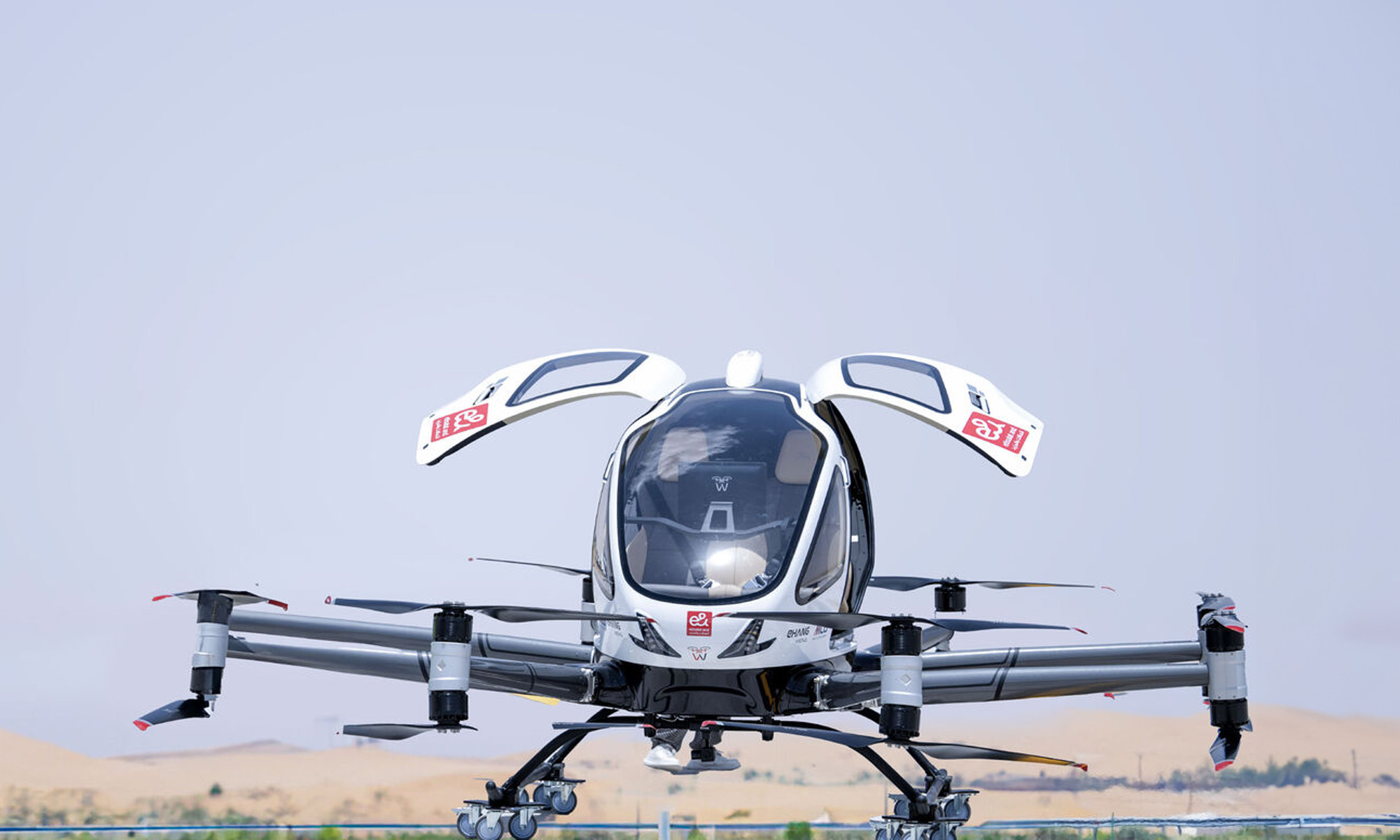
In recent years, Abu Dhabi has become a pioneer and champion of smart and sustainable mobility, attracting industry-leading startups and experts from around the world. The first Abu Dhabi Mobility Week, held between 24th April and 1st May 2024, showcased this innovation while also hosting the Middle East’s first-ever passenger-carrying drone trials.
.@ad_mobility, in association with @MultiLevelGroup, has conducted the Middle East’s first passenger-carrying drone trials in #AbuDhabi. The trials took place as part of Abu Dhabi Mobility Week, and further affirmed the emirate as a hub for smart and autonomous vehicle innovation pic.twitter.com/tUVLzdbfZn
— مكتب أبوظبي الإعلامي (@ADMediaOffice) May 8, 2024
Multi Level Group (MLG), a pioneer of “advanced automation and digital transformation solutions”, teamed up with Abu Dhabi Mobility to present an exhibition of cutting-edge drone technology, which included two test flights. The first showcase featured a five-seater drone with a 25 km range and potential payload of up to 350 kg, while the second involved a smaller drone able to carry two passengers up to 35 km for around 20 minutes.
محمد حمد الظاهري، عضو مجلس إدارة مجموعة "ملتي ليفل"، يتحدَّث عن أهمية الرحلة التجريبية لطائرة بدون طيار مع راكب، ودورها في الإسهام في تطوير قطاع التنقُّل الجوي، عبر توظيف أحدث التقنيات لدعم تسيير الرحلات الجوية الآمنة بين المدن. pic.twitter.com/VoPG6PEY4t
— مكتب أبوظبي الإعلامي (@ADMediaOffice) May 8, 2024
Mohammed Hamad Al Dhaheri, a Multi-Level Group board member, made history at the mobility expo by becoming the first person in the Middle East to board an eVTOL for a demonstration flight. Al Dhaheri explained to the press that future plans also involved manufacturing passenger drones in the UAE: “starting with drone structure and gradually moving forward until we manufacture small parts such as motors and batteries, ensuring the technology is fully developed and exported from the UAE to the world”.
Also Read: UAE Stores May Soon Accept Payments Through Your Palm
The milestone test flights represent a significant addition to Abu Dhabi’s achievements in the drone and micro-mobility sectors. The emirate’s forward-thinking strategy is rapidly making it a global hub for smart and autonomous vehicles while plans continue at pace to develop a sophisticated infrastructure for driver and pilot-less vehicles.





News
Ooredoo Qatar’s 5G+ Network Is Built For Machines As Much As People
Built on 5G Standalone and 5G Advanced, the upgrade lays the groundwork for Qatar’s 2030 digital ambitions.


Ooredoo Qatar has launched what it calls the country’s first 5G+ mobile network. Customers get faster connections, but much of what the operator is promising is aimed at machines.
5G+ isn’t a new generation of mobile technology so much as a layering of upgrades, building on 5G Standalone and 5G Advanced. The result is the familiar trio of higher speeds, greater capacity and lower latency.
For consumers, Ooredoo promises smoother streaming, more responsive gaming and steadier connections on the move. The service is commercially available through mobile broadband in 5G+ coverage areas, and the operator is aiming it at campers during the camping season. The network has been deployed at locations across Qatar, but the announcement doesn’t name them, say whether smartphone plans are included or put figures on the speed and latency gains.
The business case is more detailed: Greater capacity lets more devices connect and exchange data efficiently, while shorter response times support real-time equipment monitoring and automated processes. Network slicing tailors connectivity to specific uses, and 5G Advanced combined with edge computing targets mission-critical applications that require rapid responses. Expanded IoT capabilities cover industrial sensors, asset trackers and utility meters, the building blocks for automation and future smart city services. The company also cites AI-enabled services and complex digital workloads.
Also Read: WHOOP Goes Arabic, Betting On The Gulf’s Appetite For Health Data
“With the 5G+ network, we are enhancing everyday digital experiences for our consumers, enabling innovation, and strengthening the competitiveness of businesses across the country,” said Sheikh Ali bin Jabor bin Mohammad Al Thani, chief executive officer of Ooredoo Qatar.
“From launching the world’s first 5G network in 2018 to deploying Qatar’s first 5G Standalone core network, we have consistently advanced connectivity,” he added.
Ooredoo ties the rollout to Qatar National Vision 2030 and the Digital Agenda 2030, framing it as part of the country’s effort to strengthen its position as a leading regional digital hub. For that ambition, the devices that matter most may be the ones without screens.

Shokz OpenDots 2 Review: Clip-On Audio Gets A Bass-Heavy Makeover

Ooredoo Qatar’s 5G+ Network Is Built For Machines As Much As People

G42’s Inception42 Wants AI To Show Its Work Before Investors Commit

WHOOP Goes Arabic, Betting On The Gulf’s Appetite For Health Data

New Disney+ Streaming App Has Officially Launched In The UAE

In Kuwait, Your Surgeon Might Be Operating From Another Country

Microsoft Plans $10 Billion-Plus Gulf Expansion Despite Iran Conflict

Qatar Folds 45 State Companies Into A Single Investment Platform

NEOPAY Wants To Follow Merchants Across Channels And Borders

RØDE’s Low-Profile Studio Arm Is Designed To Stay Out Of Shot


-
 News3 weeks ago
In Kuwait, Your Surgeon Might Be Operating From Another Country
-
 News3 weeks ago
Microsoft Plans $10 Billion-Plus Gulf Expansion Despite Iran Conflict
-
 News3 weeks ago
Qatar Folds 45 State Companies Into A Single Investment Platform
-
 News2 weeks ago
NEOPAY Wants To Follow Merchants Across Channels And Borders