
News
Apple Likely To Release 8K VR Headset In 2022

Near the end of January, Bloomberg published a report claiming that Apple is working on what could be the most expensive 8K VR headset ever made. Now, a JP Morgan analysis, spotted by China Times, states that the headset could be available as early as Q1 2022, but it’s likely to cost around $3,000 USD.
Why the steep price? Because Apple’s first VR headset will likely boast dual 8K displays with eye-tracking technology, offering far better resolution than other VR headsets that are commercially available at the moment. For example, the $300 USD Oculus Quest 2 has a singular fast-switch LCD panel with a 1832×1920 per eye resolution, while the $700 USD HTC Vive Cosmos displays text and graphics through a 2880 x 1700 combined pixel resolution.
In addition to an ultra-high-resolution display, the headset is also expected to feature the combination of an optical radar (LiDAR) and a Time-of-Flight (ToF) sensor for accurate location of the headset in space. All these and other components will be coordinated by a new version of the M1 chip, the first ARM-based system on a chip designed by Apple.
The chip will be manufactured by TSMC, one of the world’s biggest semiconductor foundries, and the final assembly of the headset will be handled Pegatron or Quanta Computer.
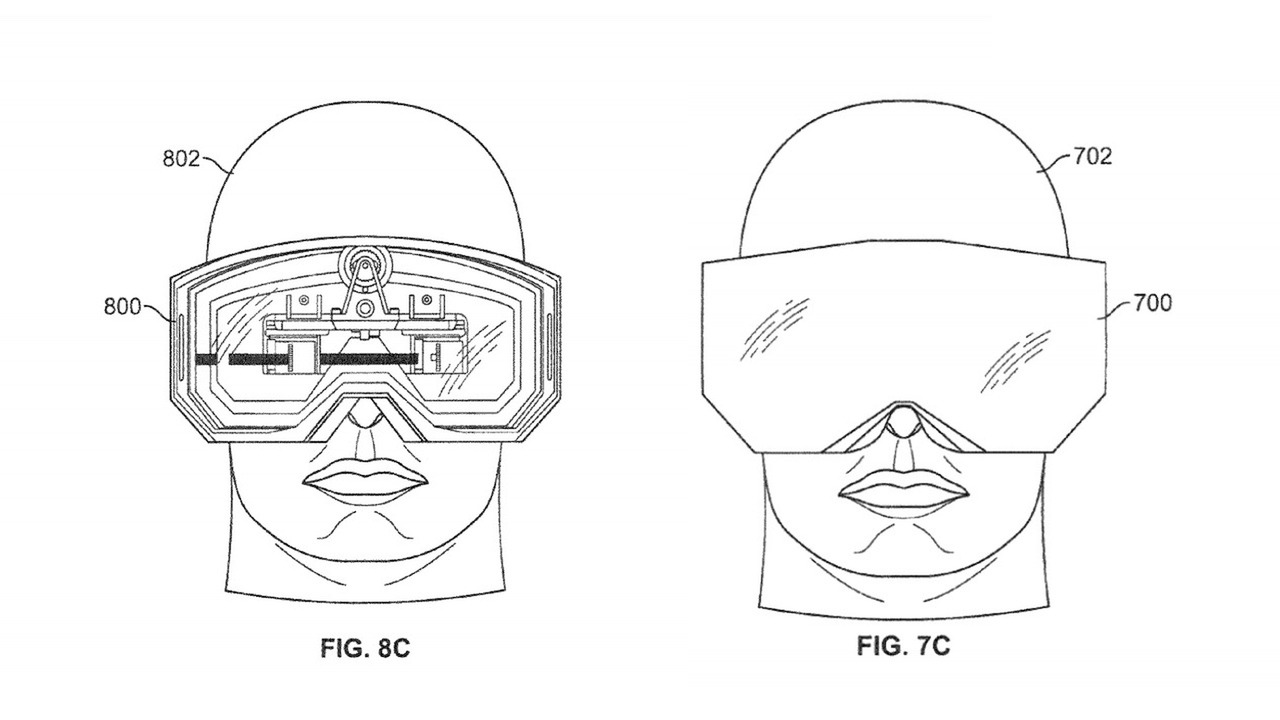
According to a drawing published by The Information, the headset could feature a HomePod-esque mesh fabric and swappable Apple Watch-style headbands. Depending on the specific materials Apple decides to use, the headset could be considerably lighter than its competitors, which would definitely help with long-term comfort.
Also Read: Google Launches Its Dunant Subsea Cable Between The US And Europe
Because of how expensive the headset will be, some experts predict that its target audience will be professional content creators—not regular users. Currently, producers of virtual reality content have to rely on third-party VR headsets and deal with the potential compatibility issues associated with them.



News
Visa’s Return To Syria Starts With A Test And A Bank In Lebanon
Foreign visitors will be the first users to benefit, but whether Syria’s own banks and cardholders follow is still an open question.

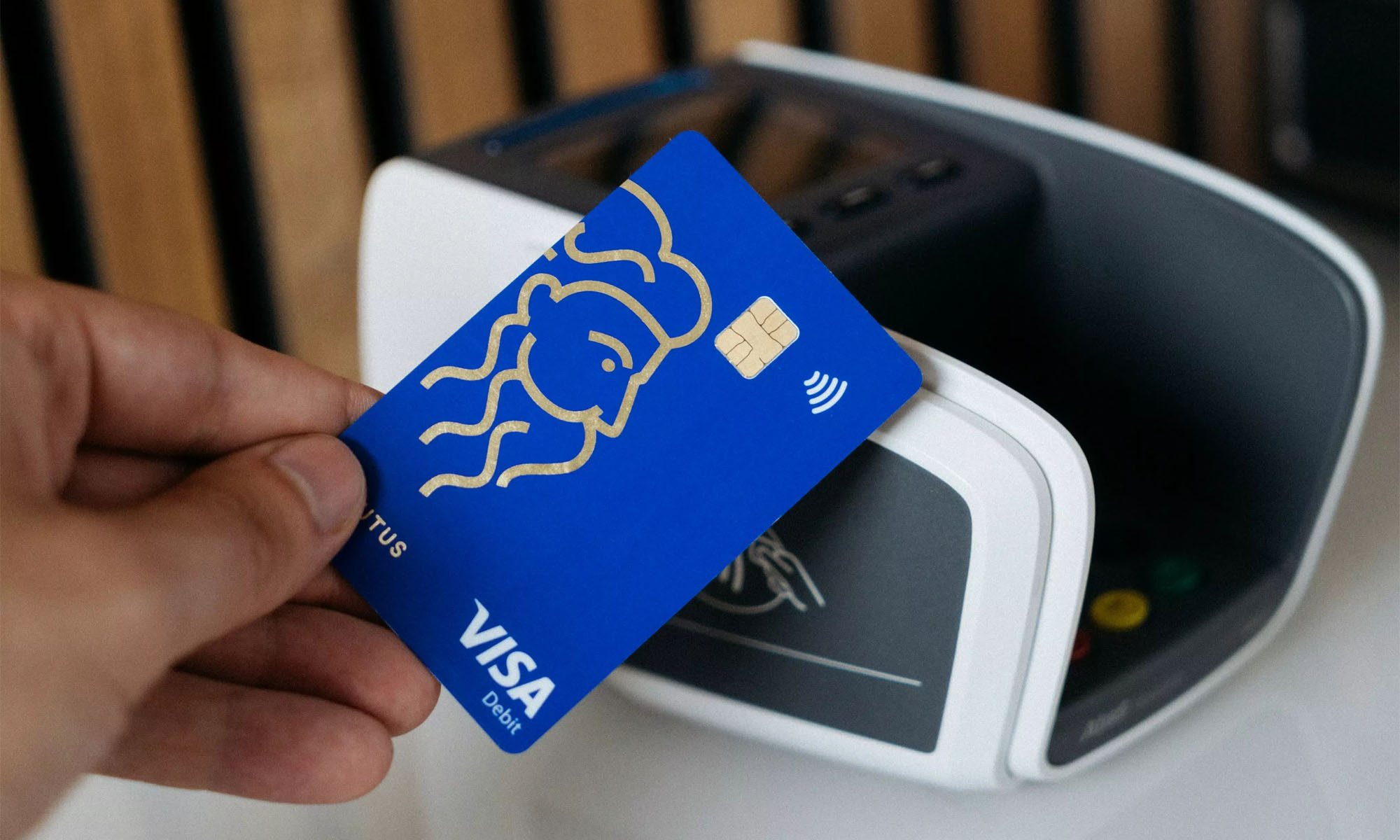
Visa is returning to Syria. Its first live international card transaction in the country was a test rather than a launch, and the milestone event ran through a Lebanese bank.
The acquirer (the bank on the merchant’s side of a card payment) was Fransabank Lebanon, with Paymera as the other named partner. Nadim Moujaes, who heads a Fransabank Group subsidiary, describes the test as both the culmination of “longstanding efforts to link Syria back to international payment networks” and “the first step in a larger path”.
Syrian President Ahmed Al-Sharaa makes the first electronic payment in Syria using a @Visa card at a store in Damascus, following the lifting of US sanctions on Syria. pic.twitter.com/lpAN7nQ6Fc
— Tech Magazine (@TechMGZN) August 27, 2026
“We are excited to have successfully tested live transactions today as we plan to enable international visitors to use their Visa cards while in Syria,” says Leila Serhan, Visa’s senior vice president and group country manager for the North Africa, Levant and Pakistan region. Although a significant first step, that plan doesn’t come with a hard date for when a visitor’s card will work normally.
Mohammed Safwat Raslan, governor of the Central Bank of Syria, says the test paves the way for international card acceptance in Syria and that maintaining strong compliance, risk management and operational controls will remain essential. Serhan likewise stresses that Visa has worked within applicable legal, regulatory and compliance requirements. For a test transaction, it seems there was a great deal of attention paid to the rules, with the entire operation being carefully managed.
Also Read: Lebanon’s 5G Era Begins With 150 Stations And A $1M Budget
The test is the latest step in a sequence that began in December 2025, when Visa announced a strategic roadmap to support Syria’s integration into the global digital economy. In February 2026 it hosted its first industry gathering of banks, ecosystem partners and policymakers in Damascus and, the same month, signed an agreement with Syria’s Ministry of Communications and Information Technology in San Francisco.
Michel Kattouah, Paymera’s CEO, called the test “the return of international card acceptance,” but while that’s positive news, there’s no word yet on when a Syrian bank will issue a Visa card to a Syrian customer.

Visa’s Return To Syria Starts With A Test And A Bank In Lebanon

RØDE’s New DS3 Studio Arm Is Built For Heavier Creator Setups

Dubai Turns AI On Its Own Civil Service To Measure Productivity

Former Rockstar Director Dismisses GTA 6 Leaks As “Nothing Burger”

Qatar Airways Flies The World’s First Starlink-Equipped 787-9

Spotify Will Now Tell You If Your Favorite Artist Isn’t Real

Instagram Redraws Its Wordmark And The Internet Reads “Instagzam”

Anghami’s New Elite Program Starts With A Three-Decade Catalog

Qatar Is Getting Its First EV Plant, Built To Cope With Gulf Heat

Dubai’s aradus Wants AI To Run The Back Office Of Physical Trade


-
 News3 weeks ago
Instagram Redraws Its Wordmark And The Internet Reads “Instagzam”
-
 News3 weeks ago
Anghami’s New Elite Program Starts With A Three-Decade Catalog
-
 News3 weeks ago
Qatar Is Getting Its First EV Plant, Built To Cope With Gulf Heat
-
 News3 weeks ago
Dubai’s aradus Wants AI To Run The Back Office Of Physical Trade