
News
COVVI Unveils Cutting-Edge Robotic Hand Technology
The device offers human-like dexterity, offering hope for amputees and vast potential as a remote control limb for hazardous tasks.

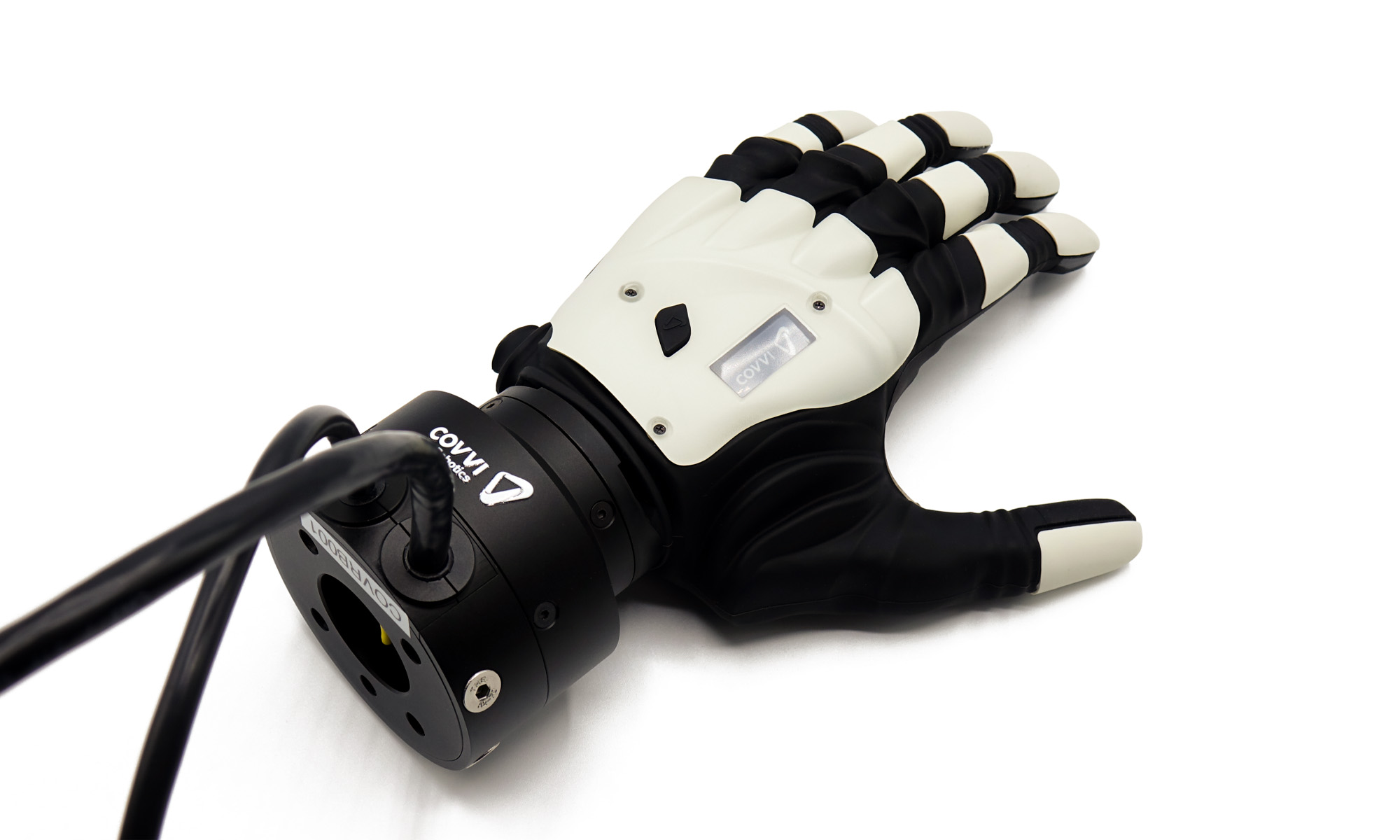
COVVI, a UK-based leader in robotic prosthetics, has introduced a groundbreaking robotic hand capable of executing intricate tasks with remarkable precision. Known as the COVVI Hand, the multi-articulated device mirrors the movements of human digits and is already helping individuals with limb loss — including Ukrainian soldiers injured in combat.
Versions of COVVI’s robotic hand have been in development since 2017. While initially designed to assist prosthetic users, the company envisions broader applications for the latest model. Industries including manufacturing, science, and academia could benefit from the hand’s versatility and efficiency in performing complex activities.
Simon Pollard, CEO of COVVI, highlighted the potential: “Bringing COVVI’s advanced technology to the world of robotics as well as prosthetics has the chance to bring major advancements to the industry. Using a multi-articulated hand not only improves and upgrades existing robotic setups, but also means fewer people will be exposed to hazardous situations. With the launch of COVVI Robotics, we know that we can transform industrial and learning settings around the world”.
The robotic hand offers operators an impressive range of control options and precision. It features pre-programmed grips for specific tasks while also allowing users to position all five fingers independently. Meanwhile, teleoperation enables remote control capabilities, making it ideal for high-risk environments.
Also Read: Cemplicity Is Bringing Real-Time Patient Insights To The UAE
COVVI also says the hand can seamlessly integrate with existing robotic arm systems. The upgrade will allow organizations to replace basic grippers with a more advanced tool, expanding the capabilities of existing robotic setups and enabling them to tackle more sophisticated challenges.
Certified to meet ISO 9001 and ISO 13485 standards, the robotic hand also adheres to strict requirements for safety, reliability, and effectiveness. With COVVI continuing to develop its already sophisticated technology, the company has the potential to transform not just the lives of amputees, but also shake up scientific and manufacturing processes worldwide.






News
Microsoft Plans $10 Billion-Plus Gulf Expansion Despite Iran Conflict
Security is shaping Microsoft’s approach, from resilience work with governments to what it will say about how the money splits by country.
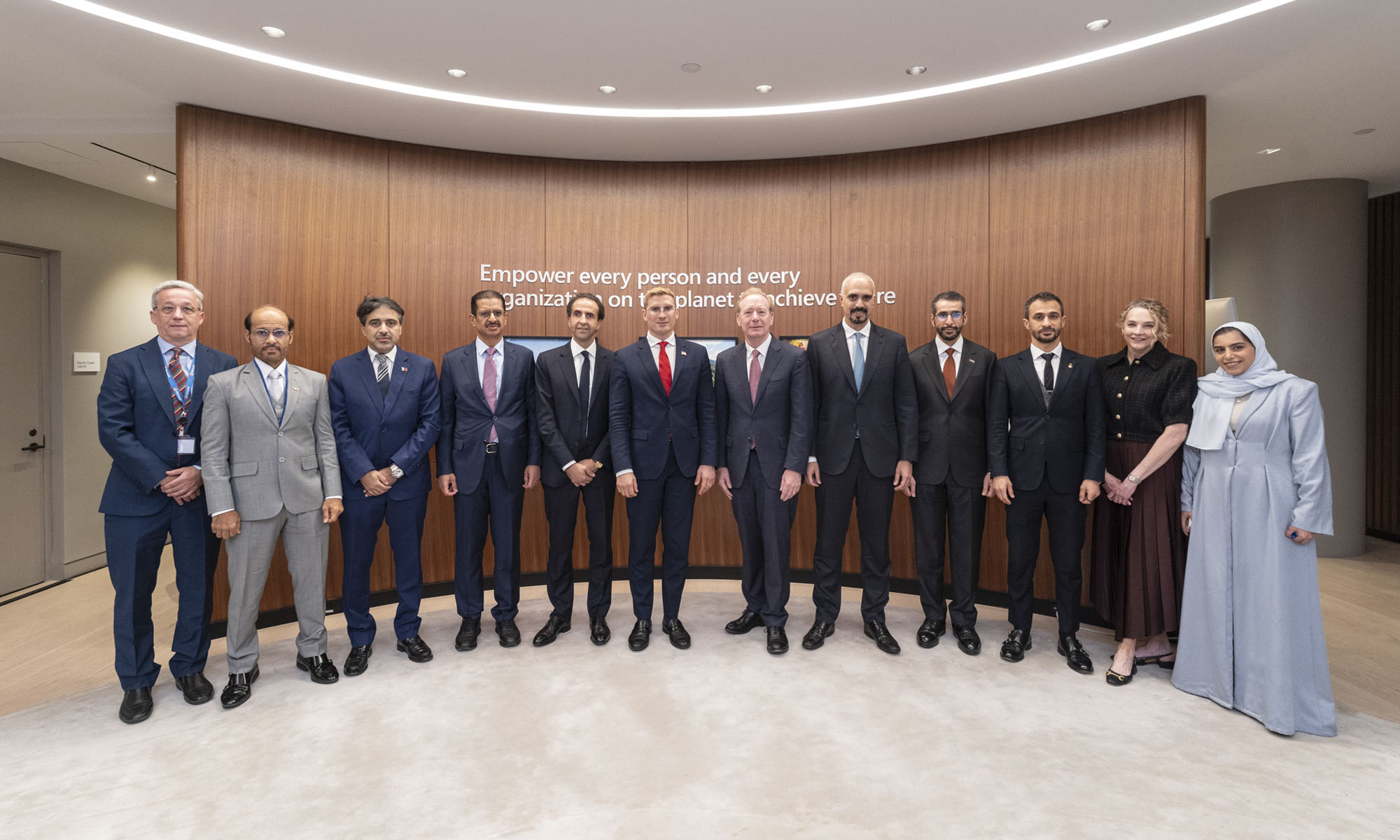
Microsoft is planning more than $10 billion of investment across the UAE, Saudi Arabia, Qatar and Kuwait through 2030, Vice Chair and President Brad Smith told Reuters, calling the spending schedule aggressive. The Iranian conflict that began on February 28 has not persuaded the company to scale back.
“We’re sustaining all the investments we planned to make before this conflict started, and we are in fact adding to them,” Smith said. The $10 billion-plus total does not, however, show how large those additions are.
The investment, which Smith described as part of Microsoft’s continued infrastructure expansion, is aimed at cloud and AI infrastructure and at the company’s growing regional operations. Microsoft also intends to put more than $400 million into subsea and terrestrial connectivity across the Middle East by 2030.
The spending fits the region’s own ambitions too. Gulf governments have been investing heavily in AI infrastructure as part of a push to diversify their economies beyond oil and gas and turn themselves into global technology hubs. Major cloud and AI providers have been drawn in part by the land and relatively low-cost energy on offer.
Microsoft is widening its partnerships with regional AI companies, though not on identical terms. In 2024, it invested $1.5 billion in Abu Dhabi-based G42 for a minority stake, and Smith currently sits on G42’s board. Saudi Arabia’s Humain and Qatar’s Qai are working with Microsoft on selected priority areas, but Smith said the company does not plan to make capital investments in either.
Also Read: Egypt’s Mobile Wallets Are Booming, But Cash Still Has Power
The conflict has added another strand to Microsoft’s work in the region. Since it began, Smith said, the company has supported regional partners with digital resilience assessments, and it is now working with Gulf countries through a digital resilience initiative focused on preparedness and the protection of critical data.
So far, the company has given no country-by-country breakdown of the investment, citing security among other factors. So while the headline figure is public, how Microsoft divides the spending among the four countries is not.

Microsoft Plans $10 Billion-Plus Gulf Expansion Despite Iran Conflict

In Kuwait, Your Surgeon Might Be Operating From Another Country

Qatar Folds 45 State Companies Into A Single Investment Platform

Trip.com Is Betting An AI Agent Will Book Your Next Vacation

Meta’s New $499 Plan Puts A Price On Reaching A Real Person

Apple’s First Folding iPhone Arrives Late To A Shrinking Market
Trip.com Is Betting An AI Agent Will Book Your Next Vacation

Egypt’s Mobile Wallets Are Booming, But Cash Still Has Power

OKX Bets Streaming Perks Can Take Crypto Mainstream Across MENA

Musk’s Boring Company Wants To Dig 150 KM Of Tunnel Under The UAE


-
 News3 weeks ago
Apple’s First Folding iPhone Arrives Late To A Shrinking Market
-
 News2 weeks ago
Trip.com Is Betting An AI Agent Will Book Your Next Vacation
-
 News2 weeks ago
Egypt’s Mobile Wallets Are Booming, But Cash Still Has Power
-
 News2 weeks ago
OKX Bets Streaming Perks Can Take Crypto Mainstream Across MENA