
News
Mobile App Helps Turkish Women Fight Domestic Violence
The app has so far been downloaded over 20,000 times, and more than 30 women have used it to seek help.

It’s estimated that 1 in 4 women globally have experienced severe domestic violence in their lifetime. For a number of complex reasons, the prevalence of domestic violence is especially high in the Eastern Mediterranean region.
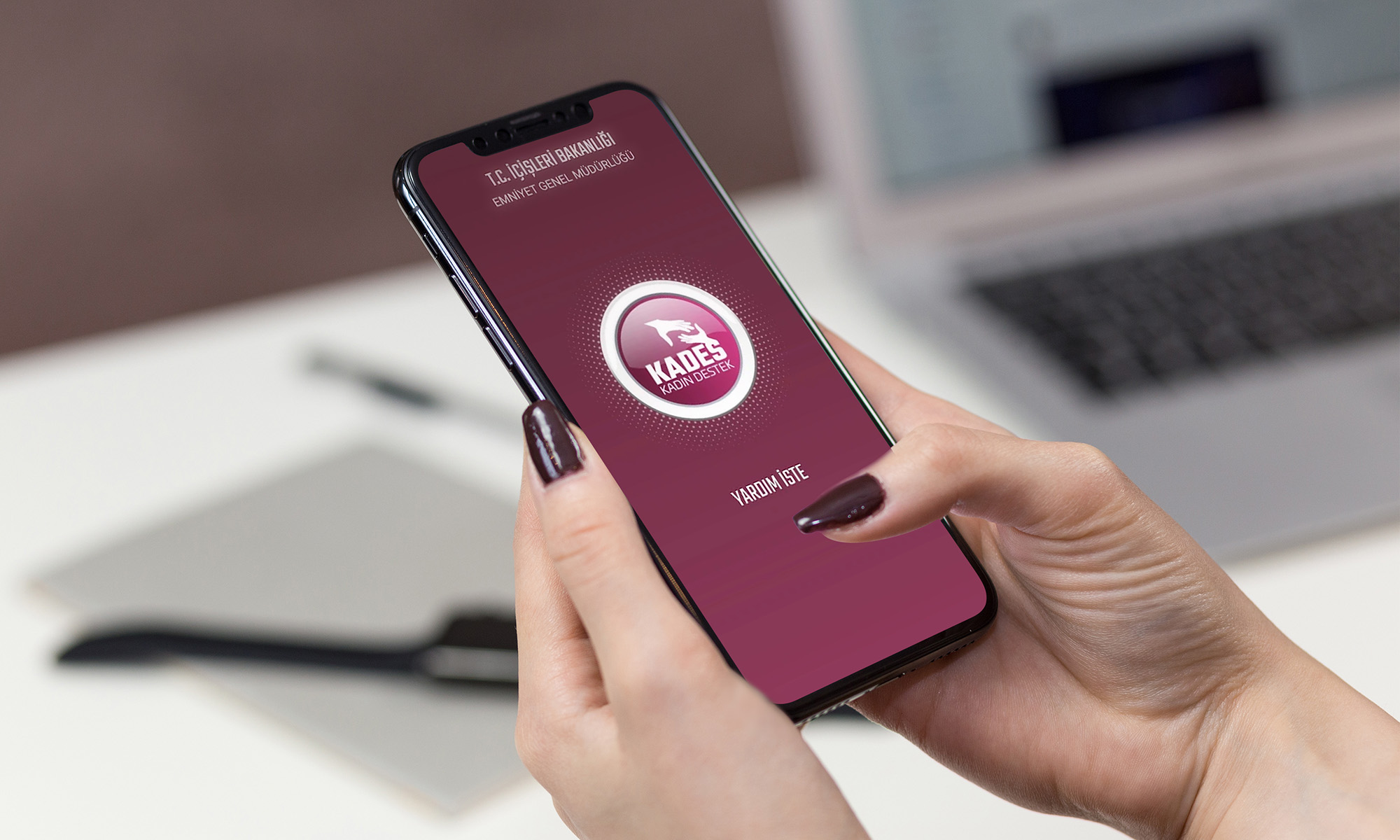
Now, the Turkish Ministry of Interior is trying to use modern technology to help women threatened with domestic violence find help before it’s too late. The government ministry office released an app called KADES (Turkish acronym for Emergency Support Hotline for Women), which makes it easy for women to discretely report potential threats to the police.
“This application seeks to ensure women reach our police forces and receive help when under any threat, with just one touch,” explained Interior Minister Süleyman Soylu. “In any dangerous situation, women can connect to the system at the touch of a button, which will automatically send details of their location to the police”.
According to government statistics, the app has so far been downloaded over 20,000 times, and more than 30 women have used it to seek help. On average, the police arrived in just 5 minutes. The number is so low because the app automatically determines where the distressed woman is located and makes the information available to the police.
Also Read: Reddit Plans To Convert Its Karma Points To ERC-20 Tokens
The Turkish Ministry of Interior would like to see initiatives like KADES help wipe out violence against women completely. “Our President [Recep Tayyip Erdoğan] says ‘abuse and violence on women is the biggest crime inflicted upon humanity’. We will continue our efforts until this shame is completely wiped out of our country,” said the minister.
However, government officials in Turkey are well aware that achieving such a lofty goal is extremely difficult and will require a multi-pronged approach, as well as a lot of time. In October 2021 alone, 18 women were killed across Turkey, and the number of less serious incidents is impossible to calculate because many of them go unreported.




News
A Three-Clinic Network Bets Dubai Is Ready For Longevity Medicine
Longevium has enlisted nearly 100 clinicians and created an AI platform in a bid to sell biological-age tracking as a medicine, not a wellness service.


Dubai has been busily creating the scaffolding for a longevity industry, including a dedicated regulatory authority and a health market deep enough to sustain it. Now the clinics are arriving.
Longevium, a longevity clinic network, has opened three locations across the city: a flagship at Triple Seven Mall on Jumeirah 3, and branches in Jumeirah Lake Towers and Jumeirah Village Circle. Together they house a multidisciplinary team of nearly 100 physicians and specialists offering what the company bills as “a measurable medical system for longevity”.
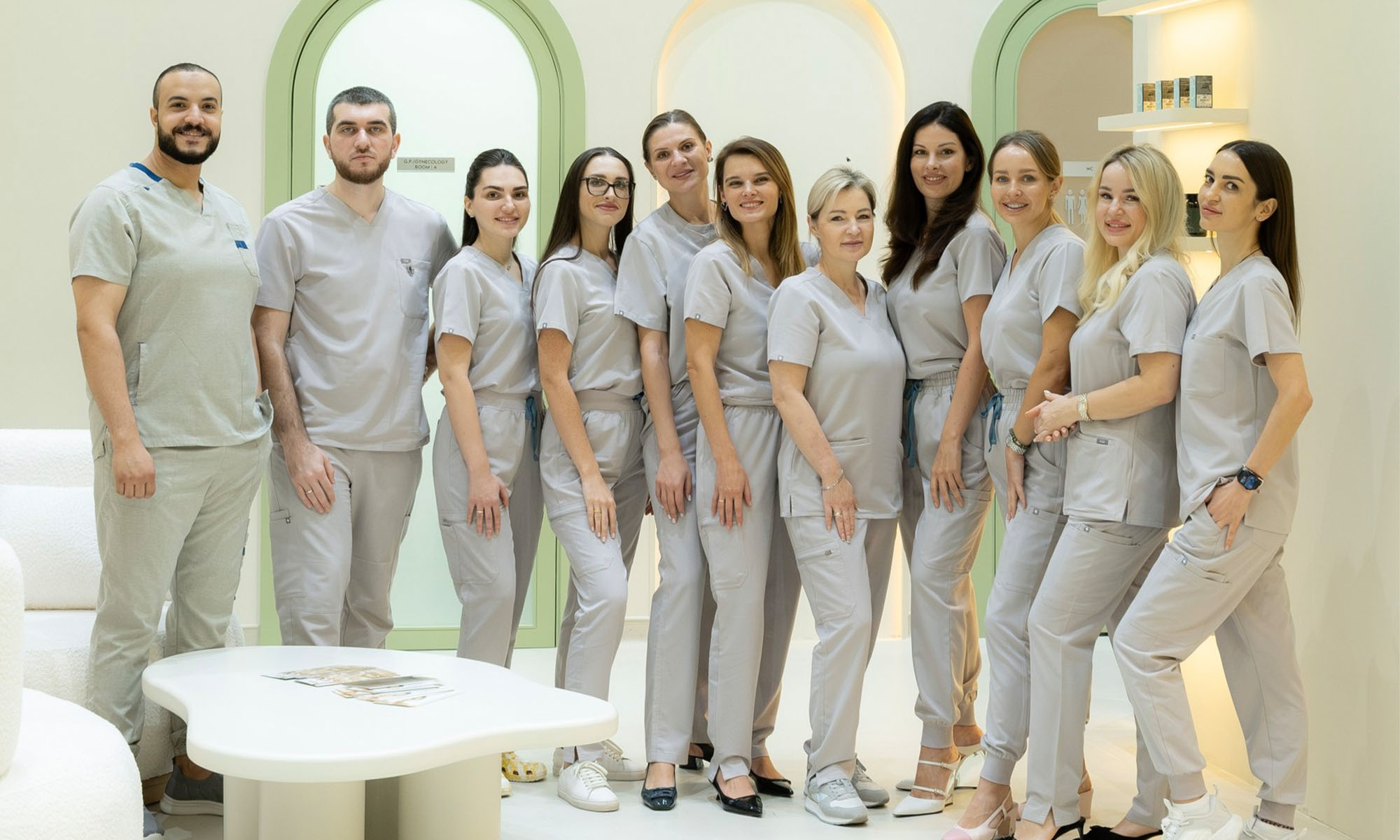
The pitch is that longevity medicine should look less like a wellness menu and more like continuous clinical care. Each patient’s biological age assessment, laboratory results, body composition, cardiovascular risk factors, metabolic markers, and lifestyle data feed into a single profile, with a proprietary AI platform helping physicians track progress and adjust protocols against the patient’s own biomarkers.
“Healthy aging must be approached clinically through diagnostics, biomarkers, physician supervision, longitudinal tracking, and protocols tailored to the individual,” said Dr. Ksenia Butova, Longevium’s founder and CEO. “Our goal is to help patients understand their health trajectory before disease develops, and then actively change that trajectory”.
The treatment list spans peptide-based protocols, exosome therapies, stem cell approaches, GLP-1 metabolic optimization, hormone balance programs, cardiovascular prevention, and regenerative aesthetics — a model built for the entrepreneurs, executives, and international patients the clinic says want measurable results rather than generic wellness. A signature offering, Longevity Day, compresses biomarker testing, ultrasound and vascular imaging, specialist consultations, IV therapy, and a personalized optimization roadmap into a single three-hour visit.
Also Read: Dubai Certifies The World’s First Purpose-Built Air Taxi Vertiport
“Here, longevity, biotechnology, AI, prevention, and regenerative medicine are converging into a single ecosystem,” said Butova. “This is why Longevium was built in Dubai, and why we believe the UAE can become a global reference point for longevity medicine”.
The emirate established the Dubai Longevity Authority in 2026 to oversee its longevity, wellness, and advanced health sectors, and the Dubai Health Authority reported insured beneficiaries exceeding 4.9 million in 2025, up around 6.5%, with insurance claims reaching approximately 49.6 million, up around 13.5%.

A Three-Clinic Network Bets Dubai Is Ready For Longevity Medicine

YouTube Rolls Out Supervised Children’s Accounts Across MENA

Meta’s New AI Tool Builds Images From Public Instagram Photos

Tamper With The Recording LED & Meta’s Glasses Kill Camera

Samsung’s Next Unpacked Could Bring Two Galaxy Z Fold 8 Models

LUVED Is A New Curated Preloved Marketplace For The UAE

Can AI Save Your Relationship? This New “Wingman” App Thinks It Can

WhatsApp Usernames Are Coming: Here’s How To Claim Yours

Dubai Certifies The World’s First Purpose-Built Air Taxi Vertiport

OpenAI Cleared To Launch GPT-5.6 Publicly After Government Review


-

 News2 months ago
DJI Teases Dual-Camera Osmo Pocket 4P For 2026 Launch
-

 Web32 months ago
2026 Crypto Trends: Bitcoin, ETFs & The Future Of Payments
-

 News2 months ago
Lebanon Ministers Meet Visa Over National Digital Payment Platform
-
 News2 months ago
At I/O 2026, Sundar Pichai Concedes AI Must Deliver Real Value