
News
Saudi Firm ACWA Power To Build 1.5 GW Wind Farm In Uzbekistan
The huge Kungrad Wind Farm will have an investment value of $2.4 billion, while offsetting 2.4 million tons of carbon annually.

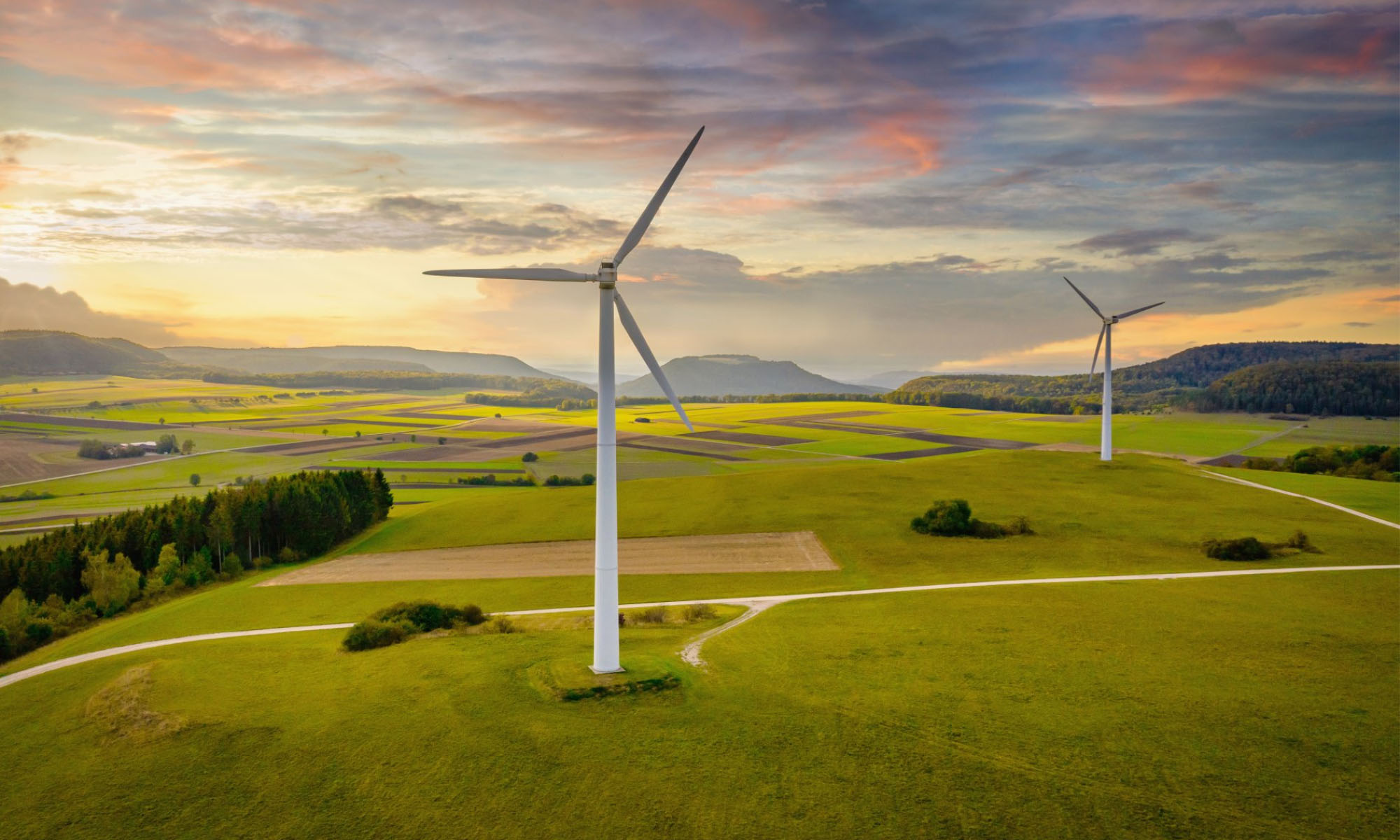
Like many countries worldwide, Uzbekistan is beginning to ramp up its clean energy efforts. As part of the nation’s plans to decarbonize, Saudi Arabian company ACWA Power has been tasked to build a 1.5-gigawatt power generation plant in Karakalpakstan, which will be named the Kungrad Wind Farm.
With purchase and investment agreements signed in August 2022, ACWA is now ready to start work on three separate 500-megawatt wind turbine projects on the Uzbek site, plus an additional 100-megawatt battery storage system. In total, the site is projected to have an investment value of $2.4 billion and will be the largest single-site wind farm in Central Asia.
The Kungrad Wind Farm will offset 2.4 million tons of carbon emissions annually and support a long-term Uzbek government strategy to diversify the country’s energy production, which also aims to add 8 gigawatts and 12 gigawatts of solar and wind capacity, respectively, by 2030.
Also Read: Dubai Financial Center Launches Digital Economy Court
“The development of green energy and market reform go hand in hand in Uzbekistan, and the Kungrad project is a milestone both for our wind industry and the new public-private partnership model […] The wind farm in Karakalpakstan, built by our reliable partner ACWA Power, will be another pillar of a sustainable and reliable energy system in Uzbekistan,” says Jurabek Mirzamakhmudov, Minister of Energy of Uzbekistan.
The project will be fully operational by 2027 when it will begin supplying energy to 1.65 million homes.
“The signing of key agreements today for the landmark Kungrad wind farm project, which will set a new benchmark for sustainable energy development in the region, would not have been possible without the guidance of our visionary leadership and the trust and commitment of our partners from the Uzbek government,” says Mohammad Abunayyan, Chairman, ACWA Power.
The 1.5-gigawatt Kungrad Wind Farm is ACWA Power’s fifth project in Uzbekistan. As part of the recently signed collaboration, the Saudi Arabian company will also construct several green hydrogen production plants in the Central Asian country, as Uzbekistan aims to lessen its reliance on natural gas.



News
Nano Banana 2 Arrives In MENA For Google Gemini Users
Google brings its latest image model to Gemini and Search, adding 4K output and tighter text control for regional users.

Google has opened access to Nano Banana 2 across the Middle East and North Africa, pushing its newest image model into everyday tools rather than keeping it inside the exclusive (and expensive) Pro tier.
The rollout spans the Google Gemini desktop and mobile apps, and extends to Google Search through Lens and AI Mode. Developers can also test it in preview via AI Studio and the Gemini API.
Nano Banana 2 runs on Gemini Flash, Google’s fast inference layer. The focus is speed, but also control. Users can export visuals from 512px up to 4K, adjusting aspect ratios for everything from vertical social posts to widescreen displays.
The model maintains character likeness across up to five figures and preserves fidelity for as many as 14 objects within a single workflow. This enables visual continuity across scenes, iterations, or edits — supporting projects like short films, storyboards, and multi-scene narratives. Text rendering has also been improved, delivering legible typography in mockups and greeting cards, with built-in translation and localization directly within images.
Also Read: RØDE Adds Direct iPhone Pairing To Wireless GO And Pro Mics
Under the hood, the system taps Gemini’s broader knowledge base and pulls in real-time information and imagery from web search to render specific subjects more accurately. Lighting and fine detail have been upgraded, without slowing output.
By embedding the model inside Gemini and Search, Google is normalizing advanced image generation for a mass audience. In MENA, where startups and marketing teams are leaning heavily on AI to scale content across languages and borders, that shift lands at a practical moment.
The move also folds creative tooling deeper into search itself, so that image generation is no longer a separate workflow. It now sits right next to the query box.

Nano Banana 2 Arrives In MENA For Google Gemini Users

GluCare Rebrands To Metabolic, Dropping Diabetes-Only Identity

Apple’s March 4 Event Rumored To Put New Macs In Play

Google Adds Arabic AI Music Creation For Ramadan


