
News
UAE Bans Recreational Drone Use Following Deadly Attack
Those who break the new rule and get caught flying their drones can face financial penalties or go to jail for up to three years.

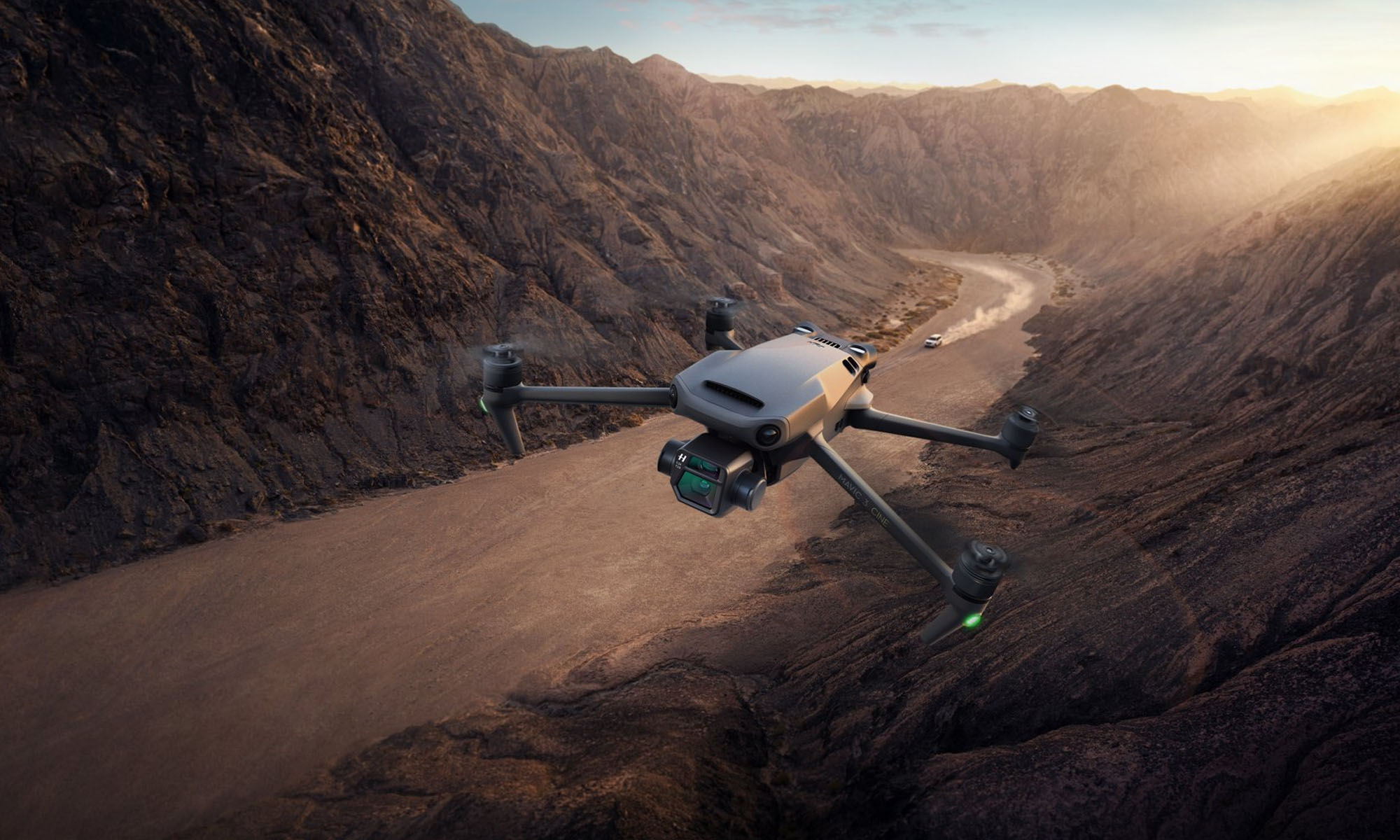
Drones have many legitimate uses, from capturing the world from the bird’s-eye view for journalism and film to delivering packages and even precious cargo like defibrillators to playing an important role in search and rescue operations. But just like every other technology, a drone can be used both for good and evil.
Recently, a drone attack on an important oil facility in Abu Dhabi killed three people and led to a fire at Abu Dhabi’s international airport. The attack was claimed by Yemen’s Houthi rebels, who have since then launched more attacks against the United Arab Emirates and its neighbor, Saudi Arabia.
Based on currently available information, it seems that the attackers have strapped bombs to large consumer-grade drones with enough carrying capacity and battery power to take them to their destination.
“Several attacks, a combination of cruise missiles, ballistic missiles, and drones, targeted civilian sites in the UAE” said Yousef Al-Otaiba, UAE ambassador to Washington. “Several were intercepted, a few of them didn’t and three innocent civilians, unfortunately, lost their lives”.
In response to the attacks, the UAE has banned hobbyists from flying their drones and other light aircraft, such as gliders. Those who break the new rule and get caught flying their devices can face financial penalties or go to jail for up to three years, reports the Dubai-based Khaleej Times.
Also Read: SpaceX Inspiration4 Tourists Share Incredible Photos Of Earth
Even before this announcement, drone enthusiasts in the UAE have already been required by law to obtain a certificate from the Dubai Civil Aviation Authority. The certification process is now put on indefinite hold, and its official website displays an error message.
According to the Ministry of Interior, exceptions can be made on a case-by-case basis for work contracts or commercial or advertising projects that rely on filming using drones.






News
Microsoft Plans $10 Billion-Plus Gulf Expansion Despite Iran Conflict
Security is shaping Microsoft’s approach, from resilience work with governments to what it will say about how the money splits by country.

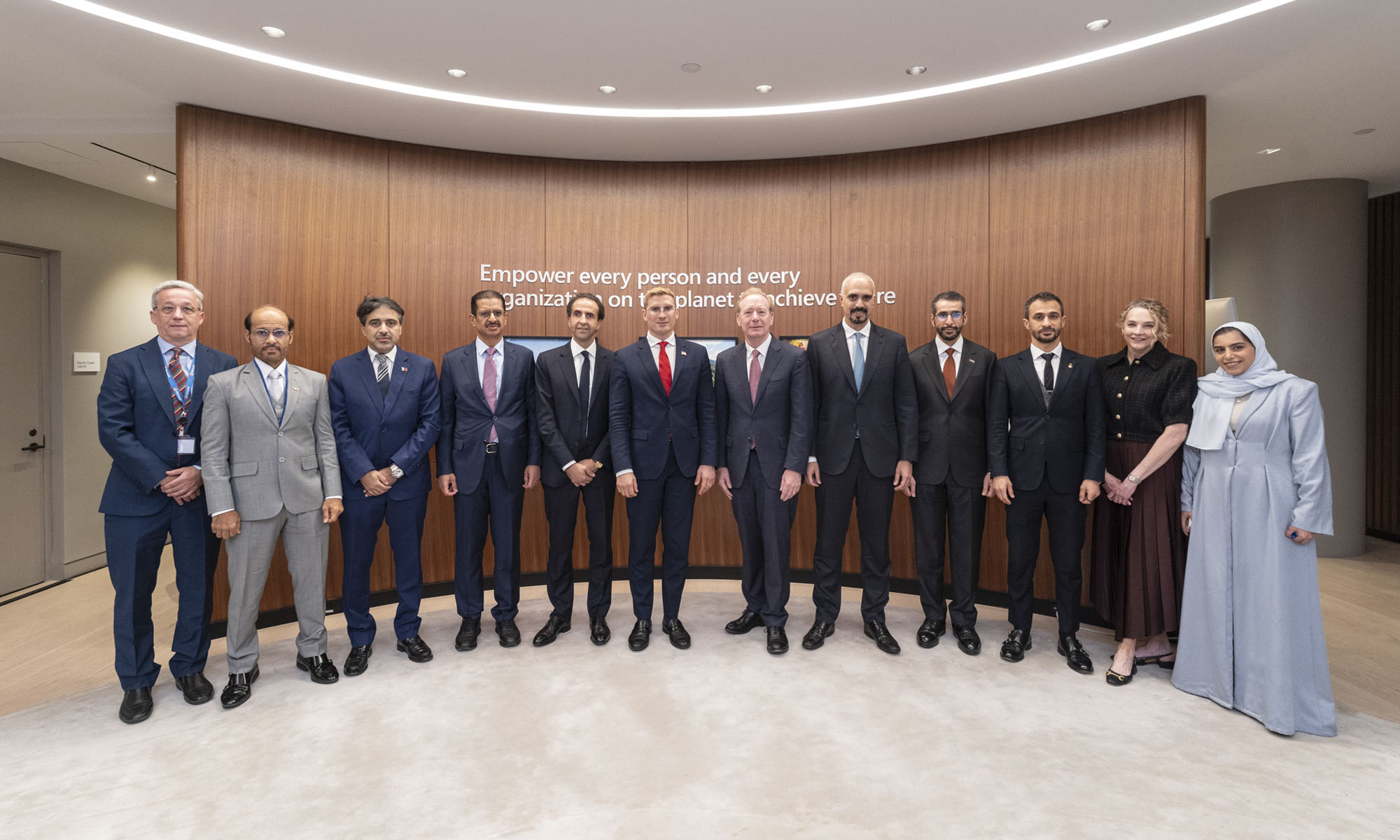
Microsoft is planning more than $10 billion of investment across the UAE, Saudi Arabia, Qatar and Kuwait through 2030, Vice Chair and President Brad Smith told Reuters, calling the spending schedule aggressive. The Iranian conflict that began on February 28 has not persuaded the company to scale back.
“We’re sustaining all the investments we planned to make before this conflict started, and we are in fact adding to them,” Smith said. The $10 billion-plus total does not, however, show how large those additions are.
The investment, which Smith described as part of Microsoft’s continued infrastructure expansion, is aimed at cloud and AI infrastructure and at the company’s growing regional operations. Microsoft also intends to put more than $400 million into subsea and terrestrial connectivity across the Middle East by 2030.
The spending fits the region’s own ambitions too. Gulf governments have been investing heavily in AI infrastructure as part of a push to diversify their economies beyond oil and gas and turn themselves into global technology hubs. Major cloud and AI providers have been drawn in part by the land and relatively low-cost energy on offer.
Microsoft is widening its partnerships with regional AI companies, though not on identical terms. In 2024, it invested $1.5 billion in Abu Dhabi-based G42 for a minority stake, and Smith currently sits on G42’s board. Saudi Arabia’s Humain and Qatar’s Qai are working with Microsoft on selected priority areas, but Smith said the company does not plan to make capital investments in either.
Also Read: Egypt’s Mobile Wallets Are Booming, But Cash Still Has Power
The conflict has added another strand to Microsoft’s work in the region. Since it began, Smith said, the company has supported regional partners with digital resilience assessments, and it is now working with Gulf countries through a digital resilience initiative focused on preparedness and the protection of critical data.
So far, the company has given no country-by-country breakdown of the investment, citing security among other factors. So while the headline figure is public, how Microsoft divides the spending among the four countries is not.

Microsoft Plans $10 Billion-Plus Gulf Expansion Despite Iran Conflict

In Kuwait, Your Surgeon Might Be Operating From Another Country

Qatar Folds 45 State Companies Into A Single Investment Platform

Trip.com Is Betting An AI Agent Will Book Your Next Vacation

Meta’s New $499 Plan Puts A Price On Reaching A Real Person

Apple’s First Folding iPhone Arrives Late To A Shrinking Market
Trip.com Is Betting An AI Agent Will Book Your Next Vacation

Egypt’s Mobile Wallets Are Booming, But Cash Still Has Power

OKX Bets Streaming Perks Can Take Crypto Mainstream Across MENA

Musk’s Boring Company Wants To Dig 150 KM Of Tunnel Under The UAE


-
 News3 weeks ago
Apple’s First Folding iPhone Arrives Late To A Shrinking Market
-
 News2 weeks ago
Trip.com Is Betting An AI Agent Will Book Your Next Vacation
-
 News2 weeks ago
Egypt’s Mobile Wallets Are Booming, But Cash Still Has Power
-
 News2 weeks ago
OKX Bets Streaming Perks Can Take Crypto Mainstream Across MENA