
News
GITEX Showcases 5G And AI As Pillars Of Future Connectivity
The “Intelligent Connectivity” conference explored the future of 5G and autonomous vehicles during the world’s largest tech event.

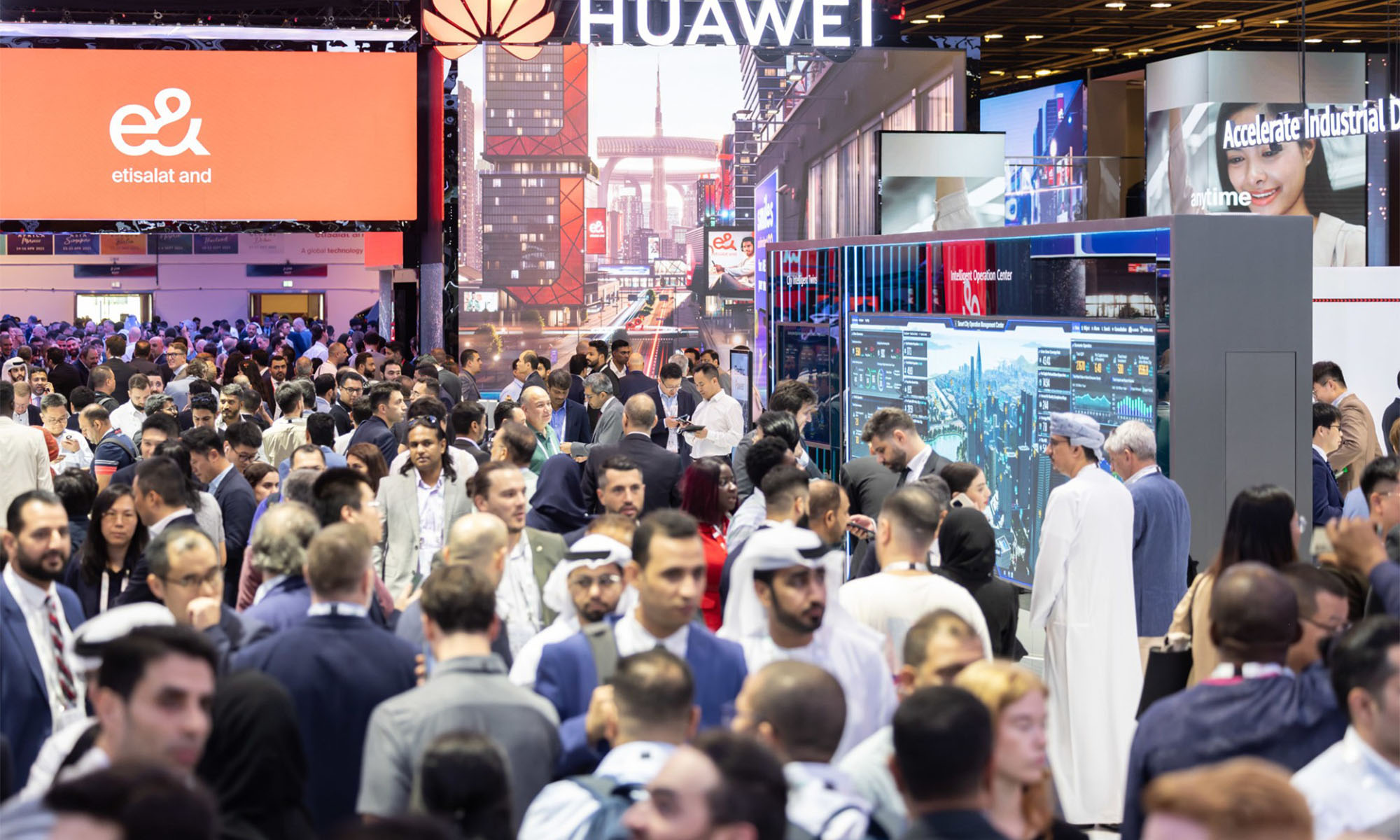
GITEX GLOBAL 2024, the world’s largest tech and startup event, has featured an “Intelligent Connectivity” theme, with 5G a major focus. Visitors caught a glimpse into the potential of wireless technology when combined with artificial intelligence (AI), and how groundbreaking technologies would shape the future of connectivity.
GITEX GLOBAL 2024 also brought together many influential voices from global enterprises and organizations, including Khalid Murshed, Chief Technology & Information Officer at e&, Wang Hui, President of NCE Data Communication Domain at Huawei, and Thomas Lamanauskas, Deputy Secretary General at the ITU. Also participating were Roque Lozano from Nokia, Kazuhiro Gomi of NTT Research, and SG Chung from SK Telecom.
The event showcased a wide array of advanced technologies from major exhibitors such as Huawei, e&, Nokia, China Telecom, Ericsson, Cisco, and Beyon. These companies demonstrated next-generation 5G applications, highlighting the event’s role as a key platform for exploring connectivity’s future and digital transformation.
5G And AI: Catalyzing The Future Of Telecommunications
Khalid Murshed of e&, one of the largest telecommunications companies in the Middle East and North Africa, spoke about the transformative power of 5G and AI. According to him, “5G and 5G advanced serve as a platform for everyone to come in to innovate,” driving the demand for further advancements in network capabilities.
He added that their focus is not merely on technological leadership but on building networks that enable new use cases. “We’re not just building a network for the sake of technology leadership […] we have live networks and private 5G,” Murshed explained, underscoring the significance of innovation in enhancing networks and AI integration.
The Role Of 5G In Autonomous Vehicles
A key highlight was the impact of 5G on mobility, particularly autonomous vehicles: Siyuan Liu, Head of IoT Partnership & Strategy at China Unicom Global, emphasized that 5G is central to developing autonomous driving, which promises to revolutionize transportation by improving efficiency and safety through real-time decision-making.
Large Language Models (LLMs) are also making waves across industries, including telecommunications. Wang Hui of Huawei discussed how AI applications are being utilized in China for autonomous vehicles and healthcare, showcasing the broad potential of these new technologies.
Revealing Disruptive Innovations
Thousands of visitors explored some of the most revolutionary products powered by 5G. Notably, e& announced a partnership with Vodafone Business IoT to deliver in-vehicle connectivity for Mercedes-Benz in the UAE, set to launch in early 2025.
e& also displayed the Nissan Hyper-Force, an all-electric supercar connected through their 5G network, and introduced their new AI-powered digital advisors tailored to local cultural needs. Meanwhile, Avaya exhibited its “superpower agents,” AI-driven tools designed to help businesses make scalable decisions.



News
Visa’s Return To Syria Starts With A Test And A Bank In Lebanon
Foreign visitors will be the first users to benefit, but whether Syria’s own banks and cardholders follow is still an open question.

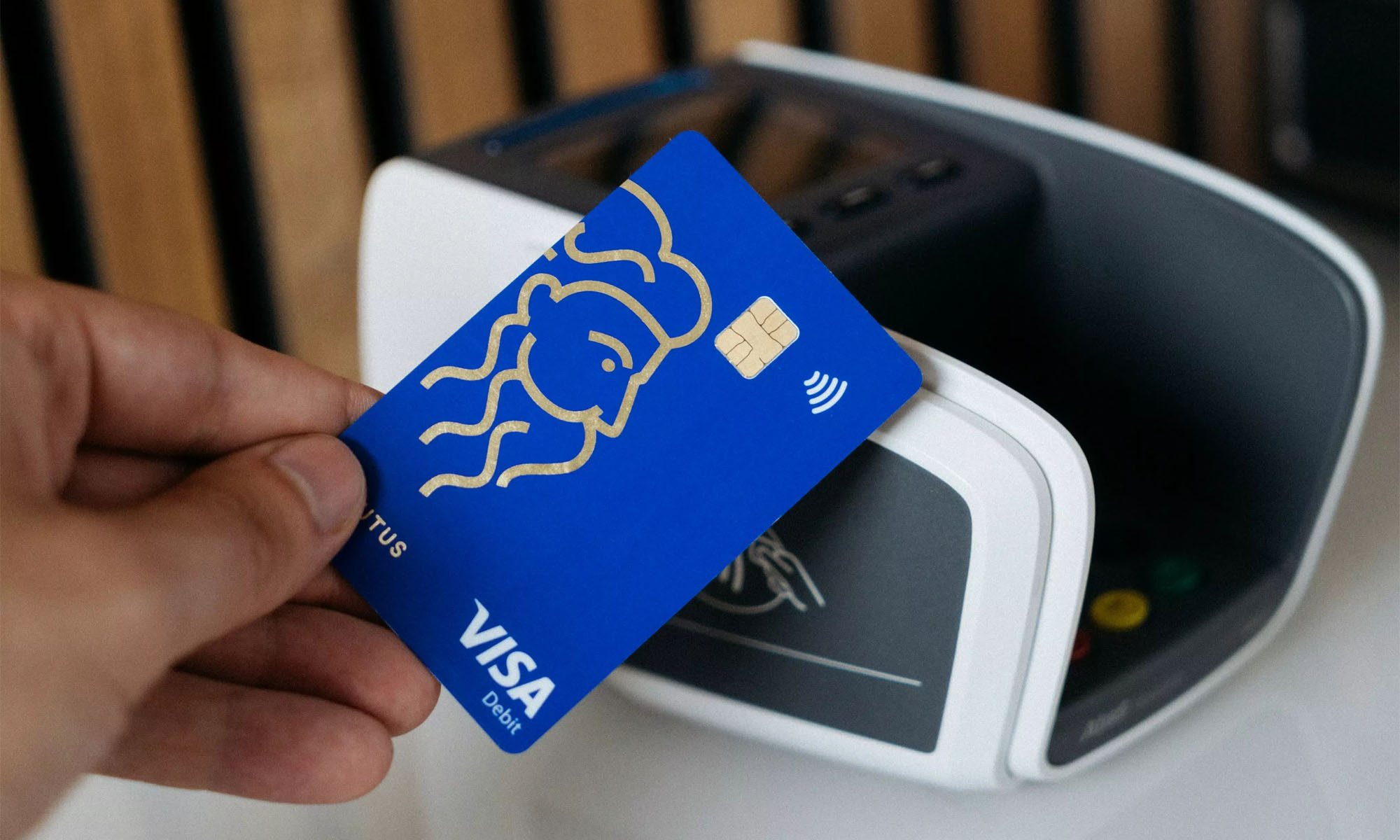
Visa is returning to Syria. Its first live international card transaction in the country was a test rather than a launch, and the milestone event ran through a Lebanese bank.
The acquirer (the bank on the merchant’s side of a card payment) was Fransabank Lebanon, with Paymera as the other named partner. Nadim Moujaes, who heads a Fransabank Group subsidiary, describes the test as both the culmination of “longstanding efforts to link Syria back to international payment networks” and “the first step in a larger path”.
Syrian President Ahmed Al-Sharaa makes the first electronic payment in Syria using a @Visa card at a store in Damascus, following the lifting of US sanctions on Syria. pic.twitter.com/lpAN7nQ6Fc
— Tech Magazine (@TechMGZN) August 27, 2026
“We are excited to have successfully tested live transactions today as we plan to enable international visitors to use their Visa cards while in Syria,” says Leila Serhan, Visa’s senior vice president and group country manager for the North Africa, Levant and Pakistan region. Although a significant first step, that plan doesn’t come with a hard date for when a visitor’s card will work normally.
Mohammed Safwat Raslan, governor of the Central Bank of Syria, says the test paves the way for international card acceptance in Syria and that maintaining strong compliance, risk management and operational controls will remain essential. Serhan likewise stresses that Visa has worked within applicable legal, regulatory and compliance requirements. For a test transaction, it seems there was a great deal of attention paid to the rules, with the entire operation being carefully managed.
Also Read: Lebanon’s 5G Era Begins With 150 Stations And A $1M Budget
The test is the latest step in a sequence that began in December 2025, when Visa announced a strategic roadmap to support Syria’s integration into the global digital economy. In February 2026 it hosted its first industry gathering of banks, ecosystem partners and policymakers in Damascus and, the same month, signed an agreement with Syria’s Ministry of Communications and Information Technology in San Francisco.
Michel Kattouah, Paymera’s CEO, called the test “the return of international card acceptance,” but while that’s positive news, there’s no word yet on when a Syrian bank will issue a Visa card to a Syrian customer.

Visa’s Return To Syria Starts With A Test And A Bank In Lebanon

RØDE’s New DS3 Studio Arm Is Built For Heavier Creator Setups

Dubai Turns AI On Its Own Civil Service To Measure Productivity

Former Rockstar Director Dismisses GTA 6 Leaks As “Nothing Burger”

Qatar Airways Flies The World’s First Starlink-Equipped 787-9

Spotify Will Now Tell You If Your Favorite Artist Isn’t Real

Instagram Redraws Its Wordmark And The Internet Reads “Instagzam”

Anghami’s New Elite Program Starts With A Three-Decade Catalog

Qatar Is Getting Its First EV Plant, Built To Cope With Gulf Heat

Dubai’s aradus Wants AI To Run The Back Office Of Physical Trade


-
 News3 weeks ago
Instagram Redraws Its Wordmark And The Internet Reads “Instagzam”
-
 News3 weeks ago
Anghami’s New Elite Program Starts With A Three-Decade Catalog
-
 News3 weeks ago
Qatar Is Getting Its First EV Plant, Built To Cope With Gulf Heat
-
 News3 weeks ago
Dubai’s aradus Wants AI To Run The Back Office Of Physical Trade