
News
Best Alternatives To Skype For Making VoIP Calls In The UAE
Etisalat and du both offer Internet calling plans that cost 50 AED a month plus taxes.

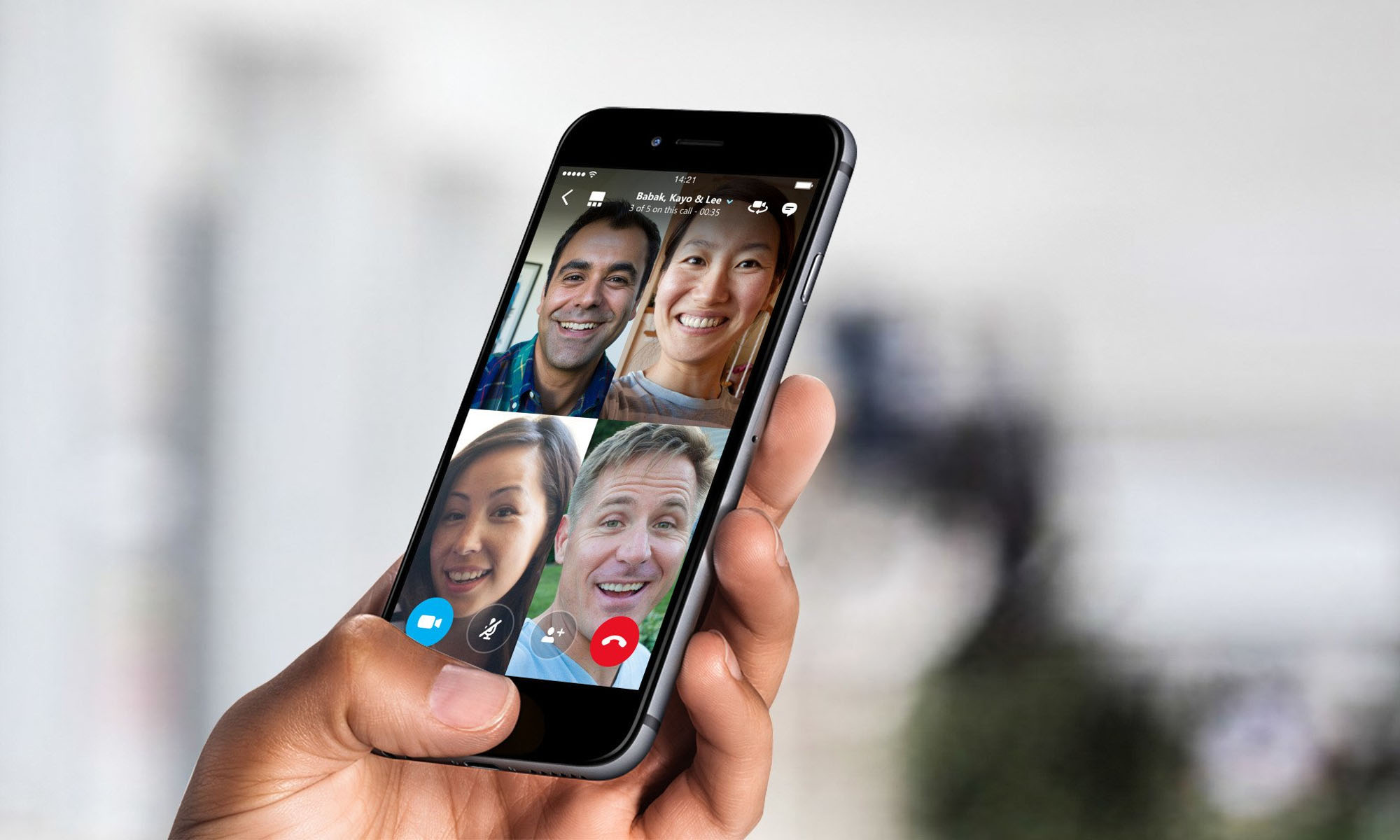
The United Arab Emirates doesn’t tax resident’s personal income, but it does generate a lot of money through the two major telecommunications companies that operate in the country, Etisalat and du, both of which are majority state-owned.
Etisalat and du offer Internet calling plans (ICPs) that cost 50 AED ($14 USD) a month plus taxes. These plans make it possible to make calls over the internet using the following alternatives to Skype, WhatsApp, as well as other popular VoIP apps, which are banned in the UAE.
BOTIM

BOTIM provides a user experience that’s very close to what WhatsApp users are familiar with, and it runs on Android, iOS, Windows, and macOS.
The app is easy to get started with because it automatically imports your existing contacts, bringing you closer to your family and friends.
Recently, BOTIM has introduced a new feature called Prime, which lets users take advantage of discounts offered by some of the most popular restaurants & cafes in the UAE.
HiU Messenger

HiU Messenger is an easy-to-use WhatsApp alternative that you can use to initiate a video or voice call with a simple tap.
You can find the HiU Messenger app on the Google Play Store and the Apple Store. The app is somewhat less polished than BOTIM, but all important features are supported, including the ability to start a group chat with up to 500 people.
Unfortunately, the last update for HiU Messenger was released in 2019, and recent user reviews tell us that there are many things that should be updated.
C’Me
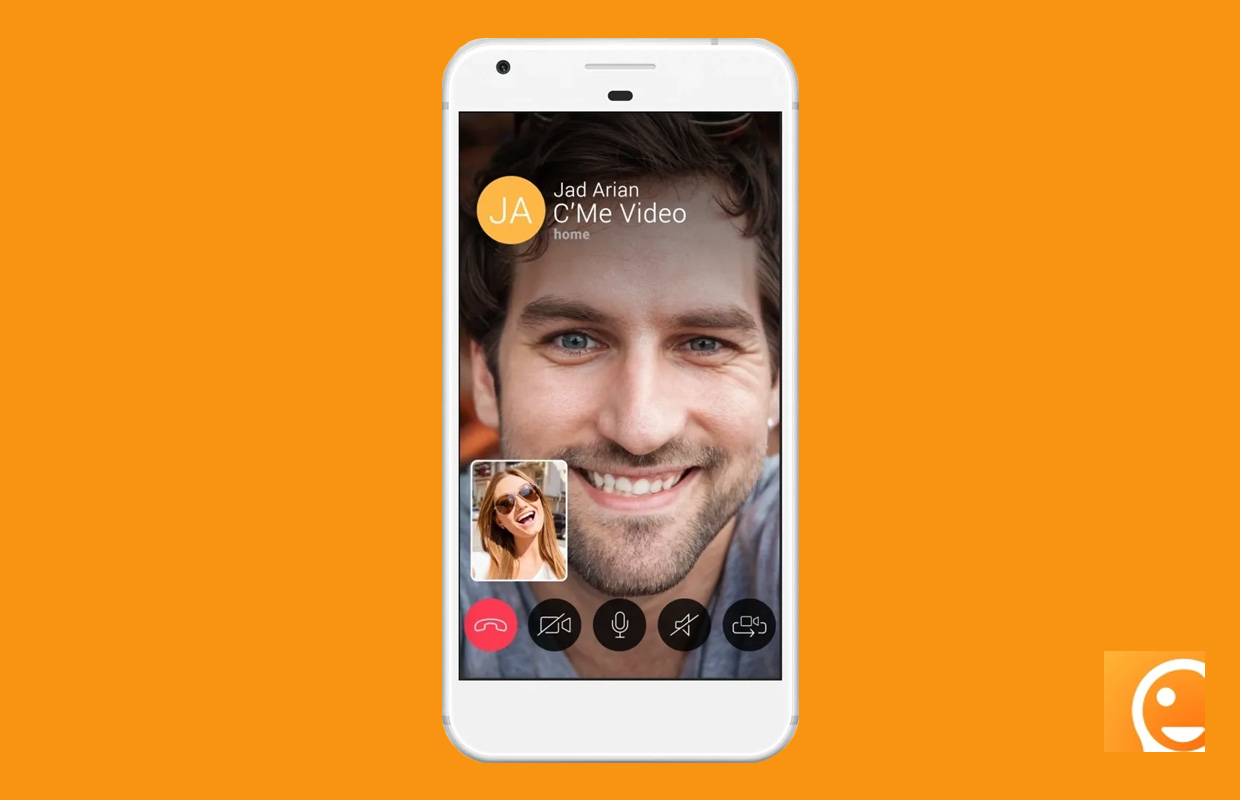
The last one of our alternatives to Skype, WhatsApp and other VoIP apps that we want to recommend is C’Me.
Just like HiU Messenger, C’Me hasn’t been updated nearly as often as it should to keep up with BOTIM — let alone the world’s most popular VoIP apps.
Still, it does let you make unlimited voice & video calls to any destination from the UAE, and that might be enough to justify giving it a try.





News
Samsung’s Galaxy Watch 9 And Ultra 2 Specs Leak Ahead Of Unpacked
An 800mAh Ultra 2 battery and a switch from Exynos to Qualcomm silicon headline the expected changes for Samsung’s next smartwatches.

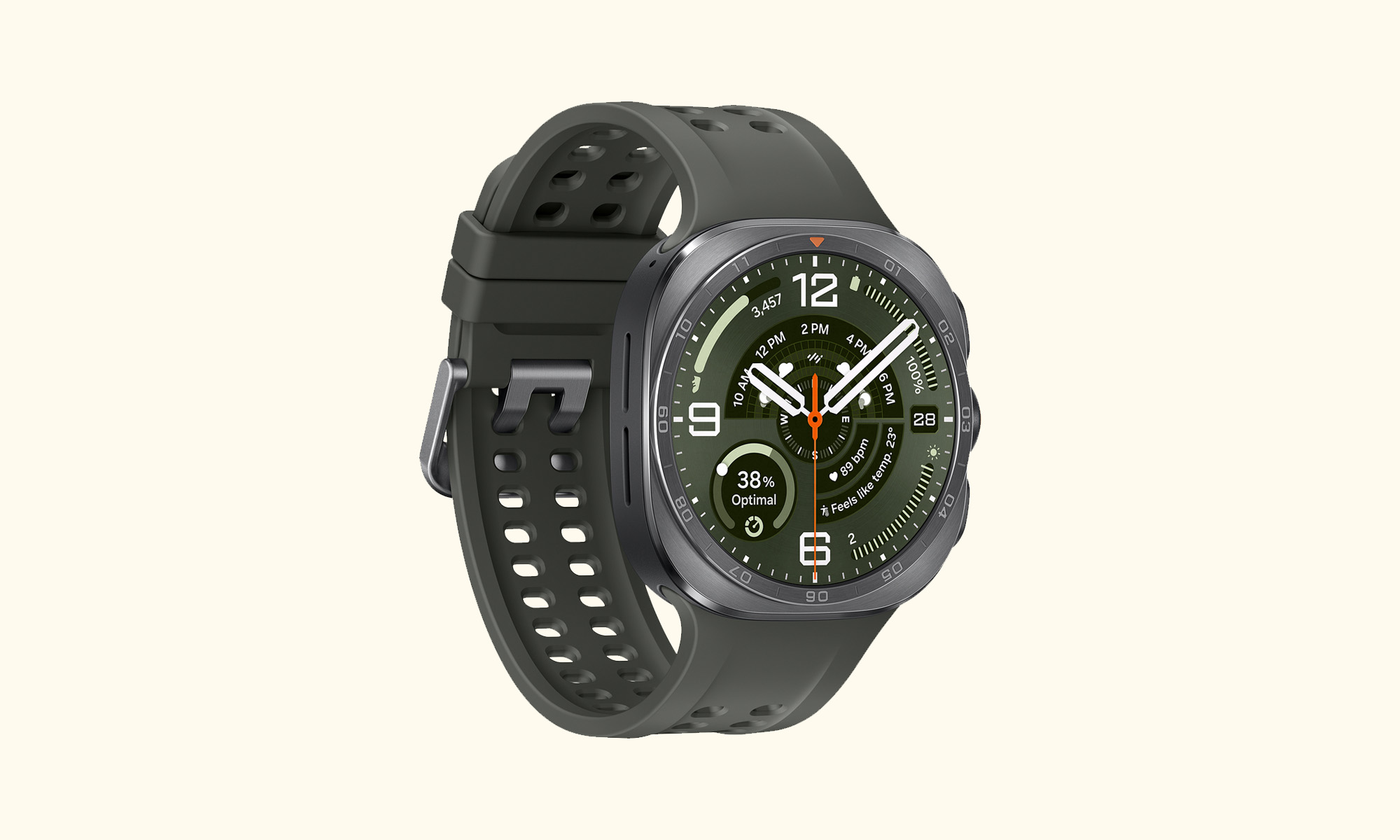
Samsung’s next smartwatches have little left to hide. A new leak reported by Android Authority has surfaced most of the remaining details about the Galaxy Watch 9 and Galaxy Watch Ultra 2, just over a week before the company’s Galaxy Unpacked event on July 22.
The biggest change is an invisible one: Samsung is expected to drop its own Exynos W1000 chip in favor of Qualcomm’s Snapdragon Wear Elite SW6100, a chipset unveiled only this year, according to the outlet.
Battery capacity looks like the other notable upgrade. Citing a report from Winfuture, Android Authority says the Watch Ultra 2 could reach 800mAh, well beyond the 590mAh cell in the current Watch Ultra. The 44mm Watch 9 reportedly gets a 445mAh cell — the same capacity as last year’s Watch 8 Classic — while the 40mm model stays at 325mAh.
The 40mm Watch 9 will reportedly feature a 438 x 438-pixel panel, with the 44mm Watch 9 and the Watch Ultra 2 sharing a larger 480 x 480-pixel screen. Samsung leaker Ice Universe has separately claimed the Ultra 2’s display could reach a peak brightness of 5,000 nits. RAM and storage vary by model, topping out at 2GB and 64GB.
Also Read: Tamper With The Recording LED & Meta’s Glasses Kill Camera
The Ultra 2 keeps its titanium case and 100-meter water resistance; the standard Watch 9 remains aluminum, rated to 5 ATM. All models are said to include Bluetooth 6.0, NFC, and dual-band WiFi, with the usual LTE variants, and ship with One UI 9 Watch running on Wear OS 7.
A separate leak puts the Galaxy Watch 9 at €409 (about $468) for the 40mm Bluetooth model, rising to €489 (about $560) for the 44mm LTE version, with the Watch Ultra 2 LTE at €749 (about $857) — figures Android Authority said were partially corroborated by Winfuture. Confirmation arrives on stage on July 22.

Samsung’s Galaxy Watch 9 And Ultra 2 Specs Leak Ahead Of Unpacked

TikTok Hopes Labels And Literacy Will Tame AI-Generated Content

A Three-Clinic Network Bets Dubai Is Ready For Longevity Medicine

YouTube Rolls Out Supervised Children’s Accounts Across MENA

Meta’s New AI Tool Builds Images From Public Instagram Photos

LUVED Is A New Curated Preloved Marketplace For The UAE

Can AI Save Your Relationship? This New “Wingman” App Thinks It Can

WhatsApp Usernames Are Coming: Here’s How To Claim Yours

Dubai Certifies The World’s First Purpose-Built Air Taxi Vertiport

OpenAI Cleared To Launch GPT-5.6 Publicly After Government Review


-
 News2 months ago
DJI Teases Dual-Camera Osmo Pocket 4P For 2026 Launch
-

 Web32 months ago
2026 Crypto Trends: Bitcoin, ETFs & The Future Of Payments
-

 News2 months ago
Lebanon Ministers Meet Visa Over National Digital Payment Platform
-

 News2 months ago
At I/O 2026, Sundar Pichai Concedes AI Must Deliver Real Value