
News
Callsign Predicts Widespread Fraud As We Approach 2023
Experts have made five predictions for the new year based on conversations with customers in the private and public sectors.


Digital trust and security experts, Callsign, have just released their predictions for 2023 in relation to fraud. The company has listed several emerging trends that will affect banks, telecommunication companies, social media, and eCommerce platforms. Here’s a summary of their top five predictions:
Dormant Account Takeovers Will Increase
Callsign’s first prediction is that dormant bank accounts — where consumers have not used a service for an extended period — will increasingly be utilized by fraudsters to launder illegal money.
Once a dormant account has been taken over, scammers will likely use deceptive social media adverts and phishing to trick unsuspecting members of the public into sending money.
Buy Now, Pay Later Fraud Will Rise
Buy now, pay later (BNPL) is already very popular in the Middle East, and will only continue to grow over the coming years. Unfortunately, the BNPL market isn’t yet as well regulated as other financial sectors, which can often mean neglected security protocols.
Callsign predicts that there will be a sharp rise in BNPL fraud in 2023, with businesses being exposed to various types of refund scams and more accounts will be opened using stolen or fake credentials.
Deep Fake Technology Will Become More Sophisticated
Although deep fake videos of celebrities make for interesting viewing, the technology does have a much darker side. Callsign reports that scammers are already using the technology to convince consumers to part with their cash, utilizing a mixture of visual identification and impersonation.
Fraud Will Enter The Metaverse
Web 3.0 is being heralded as a way to enable seamless connectivity across platforms and networks, with the potential to allow deeper collaborations and new opportunities for business and learning. As great as all of that sounds, the metaverse will undoubtedly suffer from many of the same issues currently plaguing the regular internet, including fake avatars, scams, and fraud.
Callsign thinks that 2023 will be the first year where widespread criminality makes its way onto Web 3.0, and depressingly, believes that “everything wrong from a security perspective with social platforms today will be considerably worse in the metaverse of tomorrow.”
A New Cycle Of Victims Will Emerge
According to Callsign’s Digital Trust report, Middle Eastern consumers tend to have higher levels of digital trust than those in other regions. That means that despite digital fraud being widespread for decades, 2023 will see a whole new segment of the global population falling victim to scams as greater numbers of people take their work, finance, and social lives online.



News
Visa’s Return To Syria Starts With A Test And A Bank In Lebanon
Foreign visitors will be the first users to benefit, but whether Syria’s own banks and cardholders follow is still an open question.

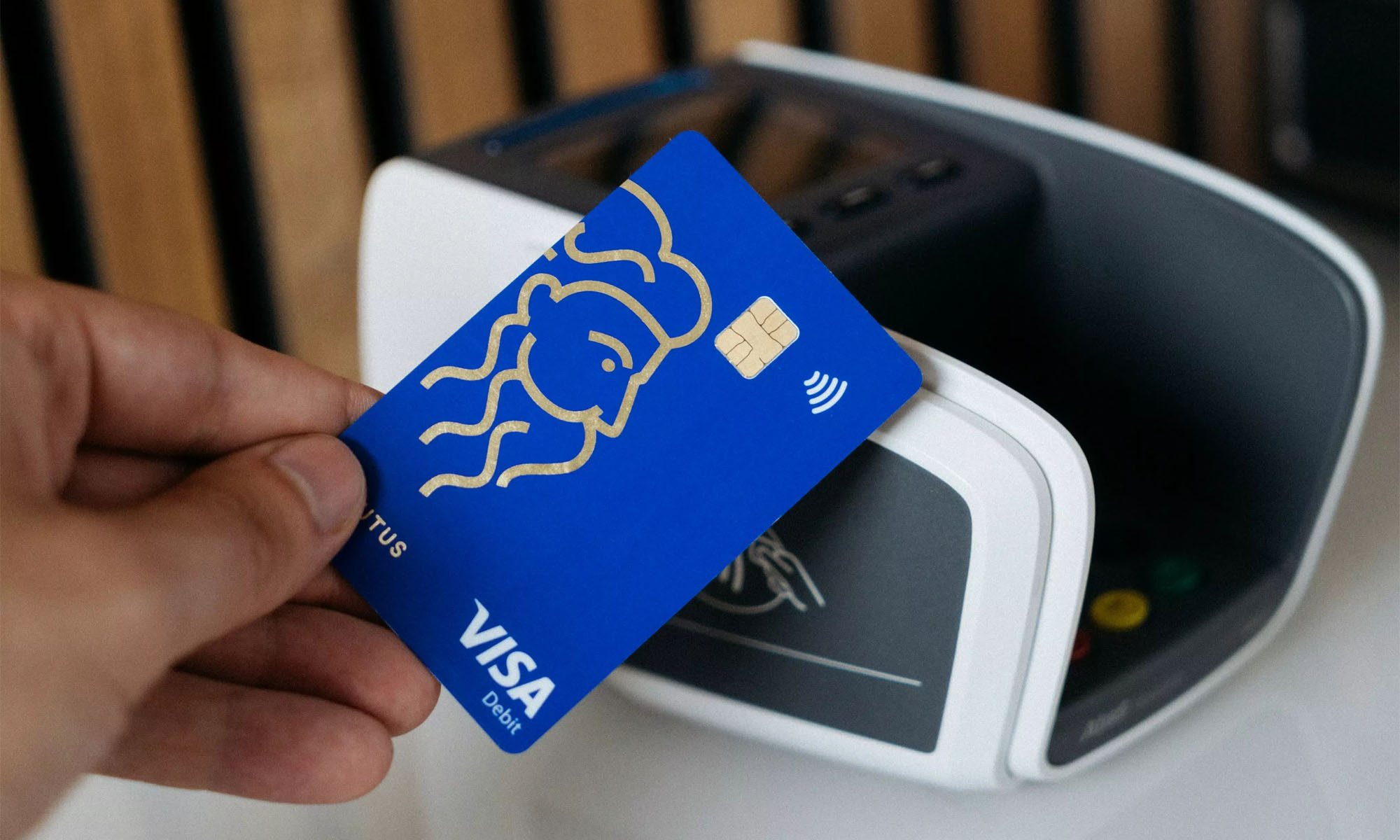
Visa is returning to Syria. Its first live international card transaction in the country was a test rather than a launch, and the milestone event ran through a Lebanese bank.
The acquirer (the bank on the merchant’s side of a card payment) was Fransabank Lebanon, with Paymera as the other named partner. Nadim Moujaes, who heads a Fransabank Group subsidiary, describes the test as both the culmination of “longstanding efforts to link Syria back to international payment networks” and “the first step in a larger path”.
Syrian President Ahmed Al-Sharaa makes the first electronic payment in Syria using a @Visa card at a store in Damascus, following the lifting of US sanctions on Syria. pic.twitter.com/lpAN7nQ6Fc
— Tech Magazine (@TechMGZN) August 27, 2026
“We are excited to have successfully tested live transactions today as we plan to enable international visitors to use their Visa cards while in Syria,” says Leila Serhan, Visa’s senior vice president and group country manager for the North Africa, Levant and Pakistan region. Although a significant first step, that plan doesn’t come with a hard date for when a visitor’s card will work normally.
Mohammed Safwat Raslan, governor of the Central Bank of Syria, says the test paves the way for international card acceptance in Syria and that maintaining strong compliance, risk management and operational controls will remain essential. Serhan likewise stresses that Visa has worked within applicable legal, regulatory and compliance requirements. For a test transaction, it seems there was a great deal of attention paid to the rules, with the entire operation being carefully managed.
Also Read: Lebanon’s 5G Era Begins With 150 Stations And A $1M Budget
The test is the latest step in a sequence that began in December 2025, when Visa announced a strategic roadmap to support Syria’s integration into the global digital economy. In February 2026 it hosted its first industry gathering of banks, ecosystem partners and policymakers in Damascus and, the same month, signed an agreement with Syria’s Ministry of Communications and Information Technology in San Francisco.
Michel Kattouah, Paymera’s CEO, called the test “the return of international card acceptance,” but while that’s positive news, there’s no word yet on when a Syrian bank will issue a Visa card to a Syrian customer.

Visa’s Return To Syria Starts With A Test And A Bank In Lebanon

RØDE’s New DS3 Studio Arm Is Built For Heavier Creator Setups

Dubai Turns AI On Its Own Civil Service To Measure Productivity

Former Rockstar Director Dismisses GTA 6 Leaks As “Nothing Burger”

Qatar Airways Flies The World’s First Starlink-Equipped 787-9

Spotify Will Now Tell You If Your Favorite Artist Isn’t Real

Instagram Redraws Its Wordmark And The Internet Reads “Instagzam”

Anghami’s New Elite Program Starts With A Three-Decade Catalog

Qatar Is Getting Its First EV Plant, Built To Cope With Gulf Heat

Dubai’s aradus Wants AI To Run The Back Office Of Physical Trade


-
 News3 weeks ago
Instagram Redraws Its Wordmark And The Internet Reads “Instagzam”
-
 News3 weeks ago
Anghami’s New Elite Program Starts With A Three-Decade Catalog
-
 News3 weeks ago
Qatar Is Getting Its First EV Plant, Built To Cope With Gulf Heat
-
 News3 weeks ago
Dubai’s aradus Wants AI To Run The Back Office Of Physical Trade