
News
Deezer’s Shaker Connects Friends Across Music Apps
The new feature lets users share music with up to 14 people, even if they don’t use the same streaming platform.

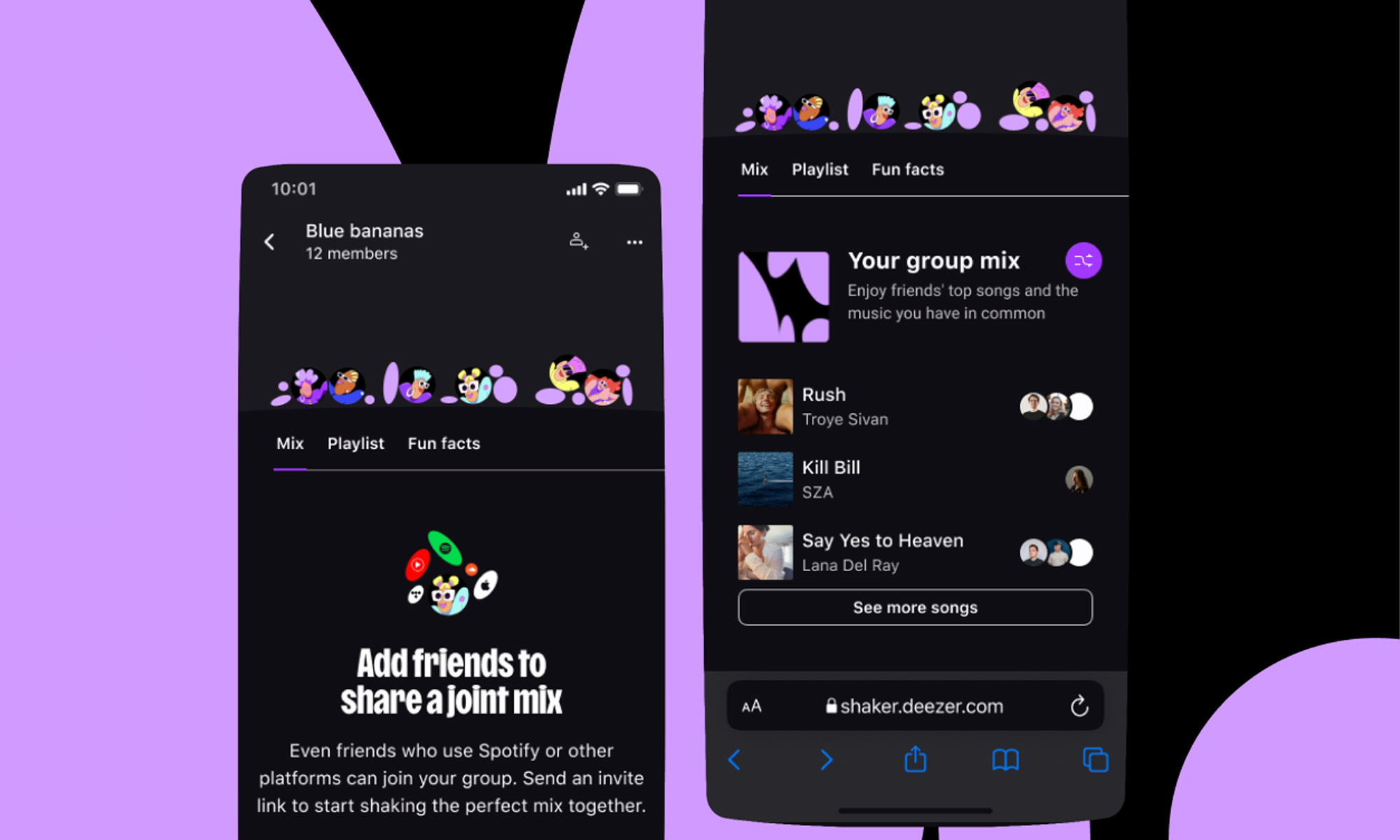
Amongst a flurry of updates, improvements, and a recent rebrand, music streaming service Deezer has now announced Shaker. The new feature lets users “access the perfect music mix for any moment with friends, family, co-workers, or anyone you want to spend time with”.
The concept is simple: With a few screen taps or mouse clicks, a mix is generated that blends together a group of friends’ favorite music and includes fun insights into the musical compatibility and guilty pleasures of group members.
Aside from the intuitive interface, the clever thing about Shaker is that it allows users to connect with up to 14 friends using a simple invite link — even if they use a different platform like Spotify and don’t want to download the Deezer app. The Shaker algorithm then starts work by generating a mix of 70 songs tailored to the group’s unique preferences. If they’re unhappy with the selection, they can easily refresh a mix or curate a playlist from scratch.
Also Read: Best Music Streaming Services In The Middle East
“Shaker is designed to create a feeling of connection, encourage people to experience music more freely, erase the boundaries between friends, and create a space where you can discover new songs to fall in love with,“ explained Alexandra Leloup, VP Product at Deezer, “To achieve this, it was key to not only include tailored playlists based on the musical tastes of users and their friends but to make sure everyone can join in no matter which streaming platform they use”.
Shaker aims to help users say goodbye to hours spent curating playlists for their parties, road trips, and sports sessions, creating the perfect fusion of music tastes to connect friends like never before.




News
New Disney+ Streaming App Has Officially Launched In The UAE
The app’s recommendations now factor in what’s popular in the UAE, and a dedicated Junior Mode gives kids their own corner of Disney+.

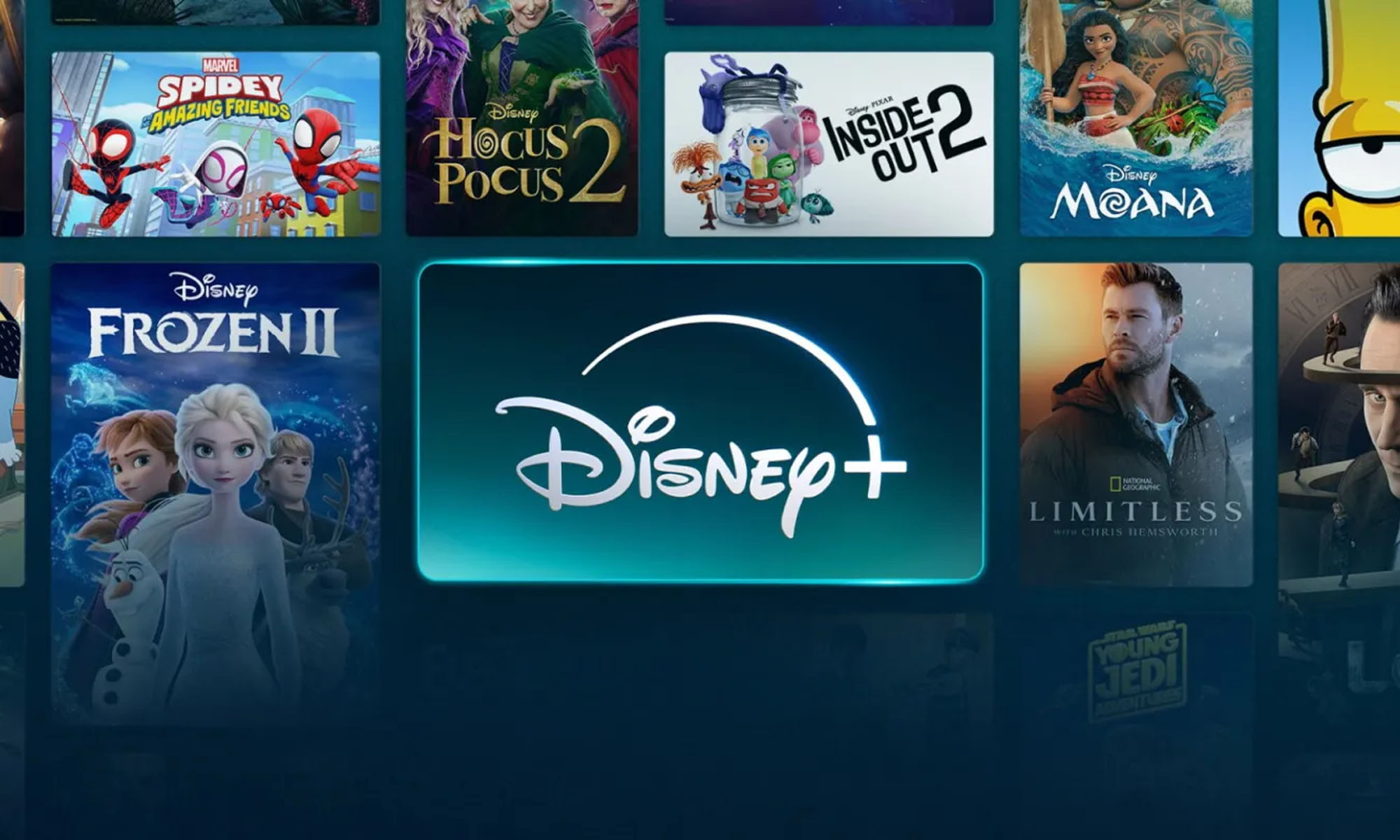
A new Disney+ app has officially launched in the UAE, and subscribers can now keep watching their favorite titles when they travel. Disney+ says access extends across supported markets in Europe, the United States and beyond.
The app is built around a dynamic homepage and simpler navigation, with recommendations drawn from each customer’s viewing habits and what’s popular in the UAE. Content from Hulu and ESPN is now easier to find alongside Disney+’s own library, the company says. Audio and subtitles come in up to 25 languages, and supported devices get high-quality video and sound.
For families, the app includes Junior Mode, a dedicated, simplified version of Disney+ for younger viewers, built around age-appropriate shows and movies. It sits alongside existing controls such as PIN-protected profiles, customizable content ratings and account notifications when a profile is changed.
The catalog still spans Disney, Pixar, Marvel, Star Wars, National Geographic, Hulu and FX. Returning series include Season 8 of “The Kardashians,” Season 23 of “Grey’s Anatomy” and Season 38 of “The Simpsons”. Also on the service are the second season of International Emmy and BAFTA Award-winning series “Rivals,” comedy “Only Murders in the Building,” Walt Disney Animation Studios’ “Zootropolis 2” and 20th Century Studios’ “Send Help”.
Also Read: Best Video Streaming Services In The Middle East
Marvel Television’s “VisionQuest” is on the way, and Disney’s live-action “Moana” is due later this autumn. Beyond Hollywood, the Turkish title “Halef” is coming to the platform alongside a lineup of Korean entertainment: Korean-Japanese romantic comedy “Merry Berry Love” is streaming now, and “The Remarried Empress” arrives November 4.
Existing subscribers will be prompted to download the new app and sign in with their current credentials, with on-screen steps covering account confirmation and profile setup. Subscriptions start at AED 49.99 per month and can be canceled at any time.
For UAE subscribers planning to travel, the update will likely be well received, but Disney has left one question open. It confirms Europe and the United States as supported markets but doesn’t yet say which others fall under and beyond.

New Disney+ Streaming App Has Officially Launched In The UAE

Dubai Says Its Deepfake Detector Needs Just 7 Seconds Of Video

OpenAI Has Announced A Visual Ad Format For ChatGPT

For etisalat, More Bandwidth Is A Matter Of Digital Sovereignty

NEOPAY Wants To Follow Merchants Across Channels And Borders

Trip.com Is Betting An AI Agent Will Book Your Next Vacation

Musk’s Boring Company Wants To Dig 150 KM Of Tunnel Under The UAE

OKX Bets Streaming Perks Can Take Crypto Mainstream Across MENA

Meta’s New $499 Plan Puts A Price On Reaching A Real Person

Apple’s First Folding iPhone Arrives Late To A Shrinking Market


-
 News3 weeks ago
Trip.com Is Betting An AI Agent Will Book Your Next Vacation
-
 News3 weeks ago
OKX Bets Streaming Perks Can Take Crypto Mainstream Across MENA
-
 News3 weeks ago
Meta’s New $499 Plan Puts A Price On Reaching A Real Person
-

 News3 weeks ago
Qatar Folds 45 State Companies Into A Single Investment Platform
Techylist
January 25, 2024 at 9:59 AM
Love this feature! As a music lover, it’s so great to be able to connect with friends across different music apps. Makes it so much easier to discover new music and enjoy it together. 🎵👍