
News
Egypt’s Flat6Labs Picks 24 Startups For Growth Track Program
The initiative is known as StartMashreq, and welcomes companies from the FinTech, eCommerce and HealthTech sectors.

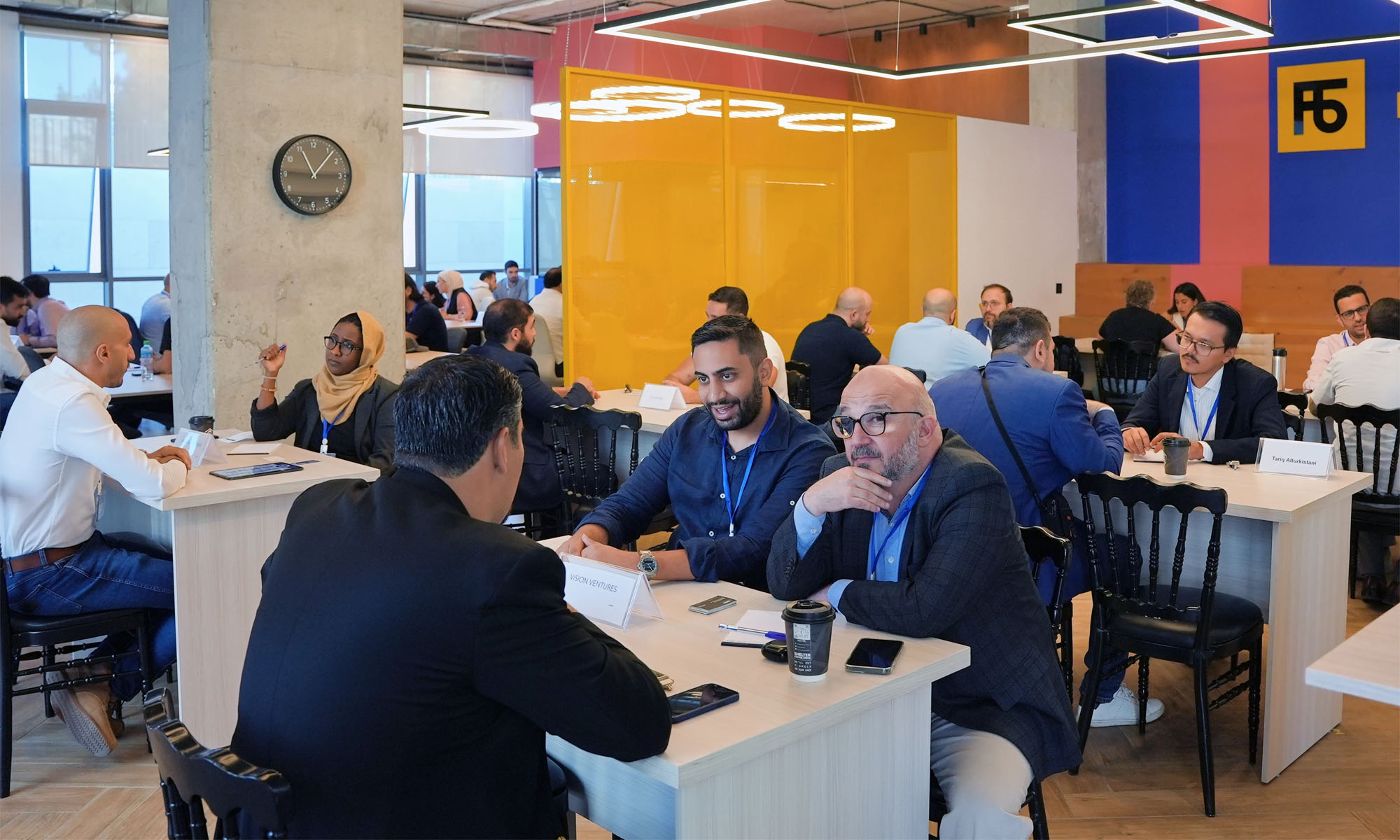
Flat6Labs, the Cairo-based venture capital company, has chosen 24 companies for its StartMashreq Growth Track program, which aims to boost early-stage startups in the Middle East and North Africa region.
The startups from Jordan, Lebanon, and Iraq operate in sectors including FinTech, HealthTech, AgriTech, and eCommerce. In addition, five of the chosen companies were cofounded by female entrepreneurs.
Collectively, the winning startups generate annual recurring revenue of over $20 million and have raised nearly $40 million in funding, according to Flat6Labs. Perhaps most importantly, the 24 companies in the StartMashreq program have also generated around 700 job opportunities.
“We are confident that [the startups] have what it takes to succeed in their markets. Through our program, we will offer them tailored support and guidance to help them overcome their challenges and achieve their goals. We look forward to working with them over the next six months and beyond,” said Ragia Amr, program director of StartMashreq at Flat6Labs.
Started in June, StartMashreq will run until December 2024, giving the selected startups access to new markets plus allowing them to scale operations and increase their impact on their respective economies.
As for the program itself, StartMashreq will include workshops and mentorships by international experts, networking events, and roadshows.
Also Read: Saudi Arabia’s Gaming Sector Is Quickly Gathering Momentum
Since its launch in 2011, Flat6Labs has been a major player in the MENA region’s entrepreneurial scene, managing a number of seed funds whose assets exceed $95 million.
In February, Flat6Labs announced a $20 million startup seed fund in Saudi Arabia aimed at supporting entrepreneurs in the Kingdom by investing in early-stage startups in the technology and innovation sectors.
The selected startups are:
Lebanon
- Compost Baladi: A social enterprise that provides waste management solutions.
- Ecomz: An e-commerce platform that enables merchants to create online stores.
- KamKalima: An edtech platform that helps Arabic teachers and students.
- Moodfit: An online interior design service that connects clients with designers.
- Presentail: An online gift delivery service that connects expats with local shops.
- Purpl: A proptech platform that simplifies property management.
- Shelvz: A retail intelligence platform that helps brands optimize their shelf presence.
Iraq
- KESK: A fintech platform that provides digital banking services.
- Lezzoo: A super app that offers delivery, e-commerce and payment services.
- Midient/Padash: A cloud kitchen platform that enables food entrepreneurs to launch online brands.
- Orderii: An online marketplace that connects customers with local service providers.
- Toolmart: An e-commerce platform that sells tools and hardware products.
Jordan
- Algebra Intelligence: A healthtech platform that provides AI-powered medical diagnosis.
- Arab Therapy: An online platform that connects users with licensed therapists.
- Dinarak: A fintech platform that offers mobile wallet and payment services.
- Hello World Kids: An edtech platform that teaches coding to children.
- InvoiceQ: A fintech platform that provides invoice financing solutions.
- Jordilight: An energy tech company that produces solar-powered street lights.
- Konn Technologies: A fintech company that offers blockchain-based solutions.
- Little Thinking Minds: An edtech company that creates digital learning products for children.
- Nestrom: An agritech company that provides farm management software.
- Palmear: An e-commerce platform that sells handmade products from local artisans.
- Repzo: A mobile CRM platform that helps sales teams manage their activities.
- Shop4Me: An e-commerce platform that delivers groceries and other products.





News
Visa’s Return To Syria Starts With A Test And A Bank In Lebanon
Foreign visitors will be the first users to benefit, but whether Syria’s own banks and cardholders follow is still an open question.

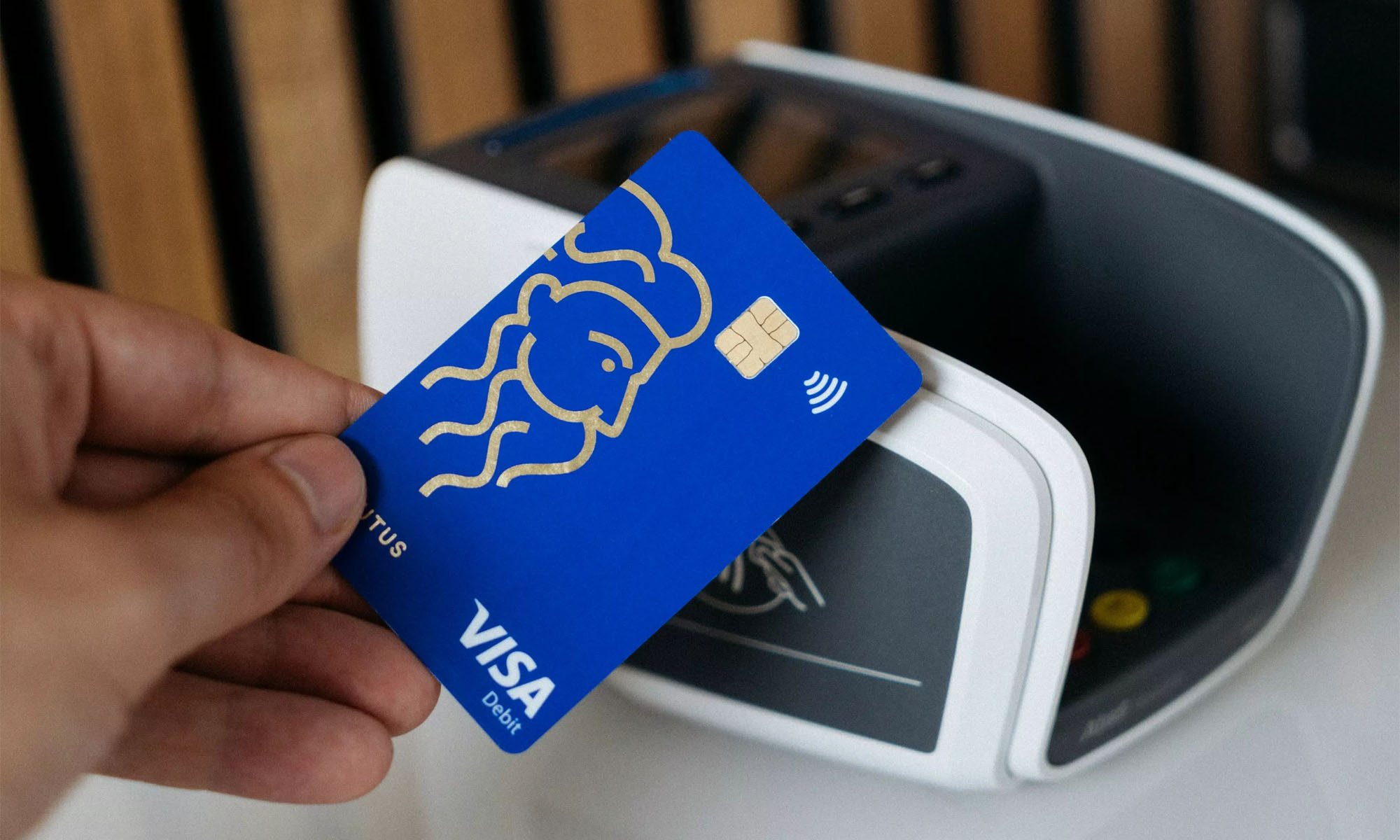
Visa is returning to Syria. Its first live international card transaction in the country was a test rather than a launch, and the milestone event ran through a Lebanese bank.
The acquirer (the bank on the merchant’s side of a card payment) was Fransabank Lebanon, with Paymera as the other named partner. Nadim Moujaes, who heads a Fransabank Group subsidiary, describes the test as both the culmination of “longstanding efforts to link Syria back to international payment networks” and “the first step in a larger path”.
Syrian President Ahmed Al-Sharaa makes the first electronic payment in Syria using a @Visa card at a store in Damascus, following the lifting of US sanctions on Syria. pic.twitter.com/lpAN7nQ6Fc
— Tech Magazine (@TechMGZN) August 27, 2026
“We are excited to have successfully tested live transactions today as we plan to enable international visitors to use their Visa cards while in Syria,” says Leila Serhan, Visa’s senior vice president and group country manager for the North Africa, Levant and Pakistan region. Although a significant first step, that plan doesn’t come with a hard date for when a visitor’s card will work normally.
Mohammed Safwat Raslan, governor of the Central Bank of Syria, says the test paves the way for international card acceptance in Syria and that maintaining strong compliance, risk management and operational controls will remain essential. Serhan likewise stresses that Visa has worked within applicable legal, regulatory and compliance requirements. For a test transaction, it seems there was a great deal of attention paid to the rules, with the entire operation being carefully managed.
Also Read: Lebanon’s 5G Era Begins With 150 Stations And A $1M Budget
The test is the latest step in a sequence that began in December 2025, when Visa announced a strategic roadmap to support Syria’s integration into the global digital economy. In February 2026 it hosted its first industry gathering of banks, ecosystem partners and policymakers in Damascus and, the same month, signed an agreement with Syria’s Ministry of Communications and Information Technology in San Francisco.
Michel Kattouah, Paymera’s CEO, called the test “the return of international card acceptance,” but while that’s positive news, there’s no word yet on when a Syrian bank will issue a Visa card to a Syrian customer.

Visa’s Return To Syria Starts With A Test And A Bank In Lebanon

RØDE’s New DS3 Studio Arm Is Built For Heavier Creator Setups

Dubai Turns AI On Its Own Civil Service To Measure Productivity

Former Rockstar Director Dismisses GTA 6 Leaks As “Nothing Burger”

Qatar Airways Flies The World’s First Starlink-Equipped 787-9

Spotify Will Now Tell You If Your Favorite Artist Isn’t Real

Instagram Redraws Its Wordmark And The Internet Reads “Instagzam”

Anghami’s New Elite Program Starts With A Three-Decade Catalog

Qatar Is Getting Its First EV Plant, Built To Cope With Gulf Heat

Dubai’s aradus Wants AI To Run The Back Office Of Physical Trade


-
 News3 weeks ago
Instagram Redraws Its Wordmark And The Internet Reads “Instagzam”
-
 News3 weeks ago
Anghami’s New Elite Program Starts With A Three-Decade Catalog
-
 News3 weeks ago
Qatar Is Getting Its First EV Plant, Built To Cope With Gulf Heat
-
 News3 weeks ago
Dubai’s aradus Wants AI To Run The Back Office Of Physical Trade