
News
Google And Samsung Unveil $1,800 Galaxy XR Headset
Android’s first XR device is half the price of Apple’s Vision Pro, marking Google’s first serious commercial move into spatial tech.


Samsung has launched the Galaxy XR, the first extended reality headset built on Google’s Android XR platform. Priced at $1,800, it’s available now in the US and South Korea — roughly half the cost of Apple’s Vision Pro — and signals Google’s entry into the spatial computing race.
The headset runs on Qualcomm’s Snapdragon XR2+ Gen 2 chip and uses a 3,552 x 3,840 micro-OLED display with 29 million pixels. It carries dual passthrough cameras, eye-tracking sensors, and iris recognition for secure access. At 545 grams, it’s lighter than the Vision Pro, with an external battery adding 302 grams. Samsung says the “ergonomically balanced frame distributes pressure across the forehead and the back of the head, minimizing facial discomfort while providing steady support”.
Controls include hand gestures, eye tracking, or standard peripherals like keyboards and mice. Audio runs through dual Dolby Atmos speakers and six microphones. Battery life tops out at around two hours for general use, 2.5 for video playback. Wi-Fi 7 and Bluetooth 5.4 are built in, with optional prescription lens inserts.
The device runs Android XR, Google’s new operating system built for spatial computing and AI. “Android XR is the first Android platform built entirely for the Gemini era,” said Sameer Samat, Google’s president of Android Ecosystem. Gemini, Google’s AI assistant, is embedded across the interface, handling navigation, search, and multitasking. Users can ask for 3D routes in Maps, turn 2D photos into spatial images, or identify real-world objects through the headset’s cameras.
Most Google Play apps work on launch, while re-engineered versions of Chrome, Google TV, and Meet have been adapted for mixed reality. Multiple apps can be pinned or resized within a virtual workspace.
Also Read: X To Sell Rare Usernames For Up To Seven Figures
For entertainment, users can stream 4K video in a virtual theater, browse 180- and 360-degree clips, or play titles like NFL Pro Era and Inside [JOB]. Adobe’s Project Pulsar brings 3D video editing into the mix, and sports apps from MLB and Fox Sports offer multi-view feeds.
Early buyers get a year of Google AI Pro, YouTube Premium, and Google Play Pass, plus bundled access to Calm, Project Pulsar, and other apps. Samsung also confirmed it’s working with Warby Parker on Android XR smart glasses, hinting at a broader push beyond headsets.
No regional release has been set, but XR developers in the Middle East — particularly in retail and tourism — are likely watching closely. The Galaxy XR positions Android as a new heavyweight in spatial tech.





News
Visa’s Return To Syria Starts With A Test And A Bank In Lebanon
Foreign visitors will be the first users to benefit, but whether Syria’s own banks and cardholders follow is still an open question.

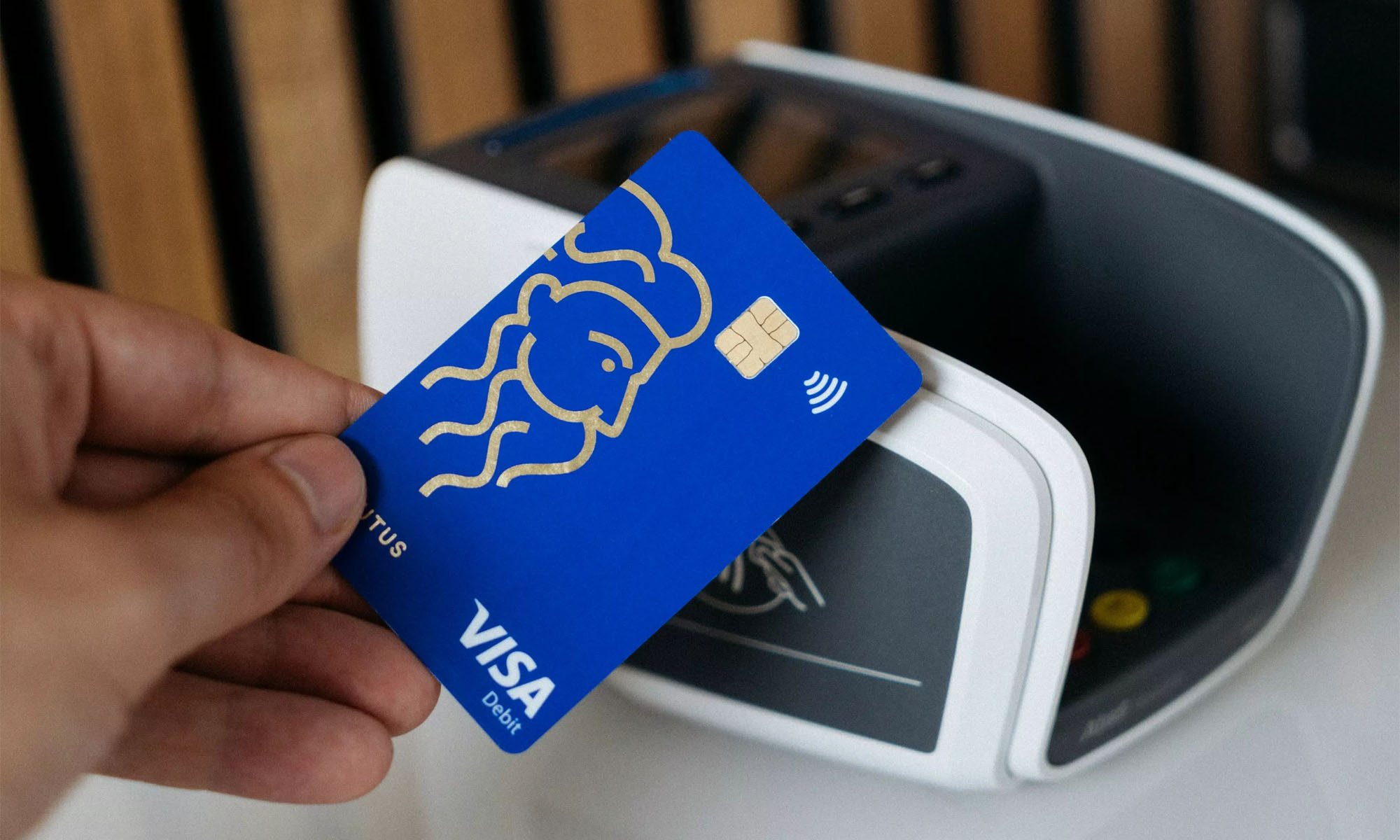
Visa is returning to Syria. Its first live international card transaction in the country was a test rather than a launch, and the milestone event ran through a Lebanese bank.
The acquirer (the bank on the merchant’s side of a card payment) was Fransabank Lebanon, with Paymera as the other named partner. Nadim Moujaes, who heads a Fransabank Group subsidiary, describes the test as both the culmination of “longstanding efforts to link Syria back to international payment networks” and “the first step in a larger path”.
Syrian President Ahmed Al-Sharaa makes the first electronic payment in Syria using a @Visa card at a store in Damascus, following the lifting of US sanctions on Syria. pic.twitter.com/lpAN7nQ6Fc
— Tech Magazine (@TechMGZN) August 27, 2026
“We are excited to have successfully tested live transactions today as we plan to enable international visitors to use their Visa cards while in Syria,” says Leila Serhan, Visa’s senior vice president and group country manager for the North Africa, Levant and Pakistan region. Although a significant first step, that plan doesn’t come with a hard date for when a visitor’s card will work normally.
Mohammed Safwat Raslan, governor of the Central Bank of Syria, says the test paves the way for international card acceptance in Syria and that maintaining strong compliance, risk management and operational controls will remain essential. Serhan likewise stresses that Visa has worked within applicable legal, regulatory and compliance requirements. For a test transaction, it seems there was a great deal of attention paid to the rules, with the entire operation being carefully managed.
Also Read: Lebanon’s 5G Era Begins With 150 Stations And A $1M Budget
The test is the latest step in a sequence that began in December 2025, when Visa announced a strategic roadmap to support Syria’s integration into the global digital economy. In February 2026 it hosted its first industry gathering of banks, ecosystem partners and policymakers in Damascus and, the same month, signed an agreement with Syria’s Ministry of Communications and Information Technology in San Francisco.
Michel Kattouah, Paymera’s CEO, called the test “the return of international card acceptance,” but while that’s positive news, there’s no word yet on when a Syrian bank will issue a Visa card to a Syrian customer.

Visa’s Return To Syria Starts With A Test And A Bank In Lebanon

RØDE’s New DS3 Studio Arm Is Built For Heavier Creator Setups

Dubai Turns AI On Its Own Civil Service To Measure Productivity

Former Rockstar Director Dismisses GTA 6 Leaks As “Nothing Burger”

Qatar Airways Flies The World’s First Starlink-Equipped 787-9

Spotify Will Now Tell You If Your Favorite Artist Isn’t Real

Instagram Redraws Its Wordmark And The Internet Reads “Instagzam”

Anghami’s New Elite Program Starts With A Three-Decade Catalog

Qatar Is Getting Its First EV Plant, Built To Cope With Gulf Heat

Dubai’s aradus Wants AI To Run The Back Office Of Physical Trade


-
 News3 weeks ago
Instagram Redraws Its Wordmark And The Internet Reads “Instagzam”
-
 News3 weeks ago
Anghami’s New Elite Program Starts With A Three-Decade Catalog
-
 News3 weeks ago
Qatar Is Getting Its First EV Plant, Built To Cope With Gulf Heat
-
 News3 weeks ago
Dubai’s aradus Wants AI To Run The Back Office Of Physical Trade