
News
Microsoft Tightens Windows 11 Setup To Enforce Online Accounts
The tech giant is making moves to shut down the remaining workarounds that let users skip online sign-in during Windows 11 setup.


Microsoft is closing the last gaps that allowed Windows 11 to be installed without a Microsoft account or internet connection. The latest Insider build disables long-used tricks for creating local accounts during setup, tightening a requirement that has frustrated privacy-focused users since Windows 11 launched.
Amanda Langowski, head of the Windows Insider Program, said Microsoft is “removing known mechanisms for creating a local account in the Windows Setup experience (OOBE),” warning that these bypasses can skip “critical setup screens” and leave devices incomplete.
The update extends a series of steps Microsoft has taken over the past year to tie Windows installations to its cloud ecosystem. The company already removed the “bypassnro” command earlier in 2024. The new build now blocks the “start ms-cxh:localonly” command, which users discovered soon after the first fix. Attempting it now simply resets the setup process instead of moving past the account requirement.
For years, these commands were shared across forums and IT circles as an easy workaround to install Windows 11 Pro or Home offline. Removing them means users who want a purely local profile will need to rely on more complex setup files or post-install tweaks.
Also Read: Abu Dhabi’s TII Rolls Out Fiber Laser For Surgery And Industry
Some users turn to local accounts to keep work and personal devices separate or to avoid syncing data across Microsoft’s services. Others simply want to name their main user folder without Windows generating it from their email address. Microsoft has added a narrow option for that: a command that lets users rename the folder during setup, though it remains buried in command-line tools.
The shift marks a broader move to anchor Windows 11 inside Microsoft’s identity and cloud framework — one that streamlines management for enterprises but leaves individual users with less control over how their devices start up.







News
Visa’s Return To Syria Starts With A Test And A Bank In Lebanon
Foreign visitors will be the first users to benefit, but whether Syria’s own banks and cardholders follow is still an open question.

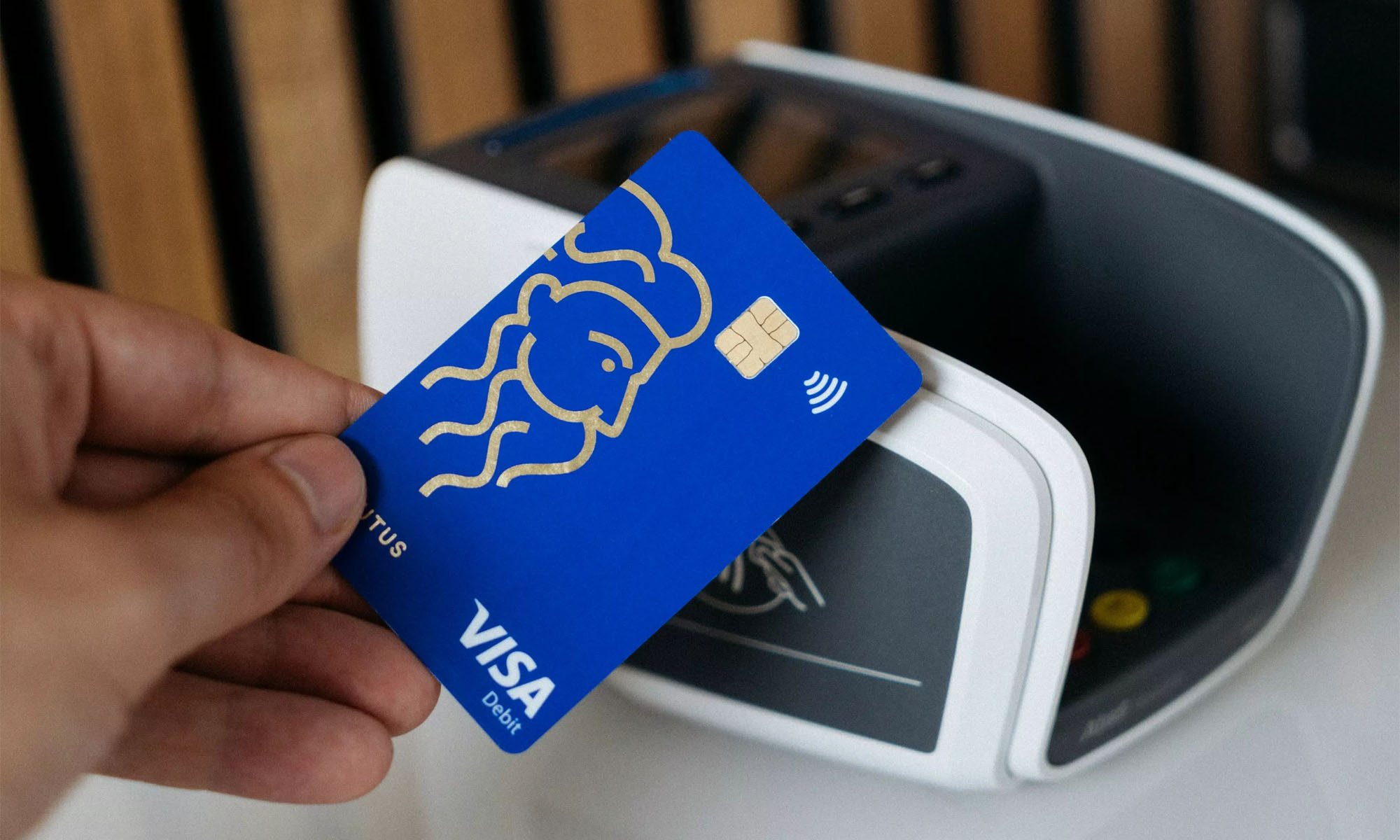
Visa is returning to Syria. Its first live international card transaction in the country was a test rather than a launch, and the milestone event ran through a Lebanese bank.
The acquirer (the bank on the merchant’s side of a card payment) was Fransabank Lebanon, with Paymera as the other named partner. Nadim Moujaes, who heads a Fransabank Group subsidiary, describes the test as both the culmination of “longstanding efforts to link Syria back to international payment networks” and “the first step in a larger path”.
Syrian President Ahmed Al-Sharaa makes the first electronic payment in Syria using a @Visa card at a store in Damascus, following the lifting of US sanctions on Syria. pic.twitter.com/lpAN7nQ6Fc
— Tech Magazine (@TechMGZN) August 27, 2026
“We are excited to have successfully tested live transactions today as we plan to enable international visitors to use their Visa cards while in Syria,” says Leila Serhan, Visa’s senior vice president and group country manager for the North Africa, Levant and Pakistan region. Although a significant first step, that plan doesn’t come with a hard date for when a visitor’s card will work normally.
Mohammed Safwat Raslan, governor of the Central Bank of Syria, says the test paves the way for international card acceptance in Syria and that maintaining strong compliance, risk management and operational controls will remain essential. Serhan likewise stresses that Visa has worked within applicable legal, regulatory and compliance requirements. For a test transaction, it seems there was a great deal of attention paid to the rules, with the entire operation being carefully managed.
Also Read: Lebanon’s 5G Era Begins With 150 Stations And A $1M Budget
The test is the latest step in a sequence that began in December 2025, when Visa announced a strategic roadmap to support Syria’s integration into the global digital economy. In February 2026 it hosted its first industry gathering of banks, ecosystem partners and policymakers in Damascus and, the same month, signed an agreement with Syria’s Ministry of Communications and Information Technology in San Francisco.
Michel Kattouah, Paymera’s CEO, called the test “the return of international card acceptance,” but while that’s positive news, there’s no word yet on when a Syrian bank will issue a Visa card to a Syrian customer.

Visa’s Return To Syria Starts With A Test And A Bank In Lebanon

RØDE’s New DS3 Studio Arm Is Built For Heavier Creator Setups

Dubai Turns AI On Its Own Civil Service To Measure Productivity

Former Rockstar Director Dismisses GTA 6 Leaks As “Nothing Burger”

Qatar Airways Flies The World’s First Starlink-Equipped 787-9

Spotify Will Now Tell You If Your Favorite Artist Isn’t Real

Instagram Redraws Its Wordmark And The Internet Reads “Instagzam”

Anghami’s New Elite Program Starts With A Three-Decade Catalog

Qatar Is Getting Its First EV Plant, Built To Cope With Gulf Heat

Dubai’s aradus Wants AI To Run The Back Office Of Physical Trade


-
 News3 weeks ago
Instagram Redraws Its Wordmark And The Internet Reads “Instagzam”
-
 News3 weeks ago
Anghami’s New Elite Program Starts With A Three-Decade Catalog
-
 News3 weeks ago
Qatar Is Getting Its First EV Plant, Built To Cope With Gulf Heat
-
 News3 weeks ago
Dubai’s aradus Wants AI To Run The Back Office Of Physical Trade