
News
Mubadala-Backed Tabby Raises $200 Million In Funds
The latest series D funding round gives the BNPL platform a value of $1.5 billion.


Backed by UAE investment company Mubadala, Dubai-based Buy Now Pay Later platform Tabby has raised $200 million in funding, making it part of an elite group of MENA companies known as “unicorns” due to their market value of $1 billion or more.
Tabby, now valued at a staggering $1.5 billion, joins fellow UAE startups like Careem, Kitopi, and Swvl, along with Saudi Arabia’s STC Pay and Egypt’s Fawry.
اليوم، نعلن أن تابي أصبحت أول شركة ملياريّة في قطاع التقنية المالية في المنطقة، بعد أن أغلقت جولة استثمارية Series D بقيمة 200 مليون دولار وبتقييم 1.5 مليار دولار. كل الشكر لمجتمع تابي من المتسوّقين والشركاء على دعمهم المستمر. pic.twitter.com/YnuJdembCy
— Tabby | تابي (@paywithtabby) November 1, 2023
US-based Wellington Management was in charge of the latest funding round, with Hong Kong’s Blue Pool Capital and Abu Dhabi’s Mubadala Investment Capital also taking part, with additional investment also coming from Saudi Arabia’s STV, PayPal Ventures and Arbor Ventures.
Tabby manages more than $6 billion worth of yearly transactions, and the new funding will be used to further develop the company’s financial and shopping services for both consumers and retailers.
“With this investment, we can advance our mission across Saudi Arabia and the UAE,” said Hosam Arab, CEO and co-founder of Tabby.
Also Read: MENA Online Electronics Sales Grew By 7% In 2023
The BNPL business model, which allows shoppers to spread payments for online purchases over several interest-free installments, has boomed since the COVID-19 pandemic and is projected to hit $565.8 billion by 2026, representing a compound annual growth rate of nearly 26%.
Tabby is currently active in Saudi Arabia, Kuwait, and the UAE. In a January 2023 funding round, the company had already raised $58 million, valuing the BNPL provider at $660 million.
Meanwhile, plenty more BNPL providers are jostling for a share of the enormous MENA market, including the likes of Postpay, Cashew, Spotii, and Tamara. Only time will tell if Tabby’s rivals are also able to achieve coveted unicorn status, though the MENA region is expected to produce at least 45 billion-dollar startups by the end of the decade, led by Saudi Arabia.




News
Visa’s Return To Syria Starts With A Test And A Bank In Lebanon
Foreign visitors will be the first users to benefit, but whether Syria’s own banks and cardholders follow is still an open question.

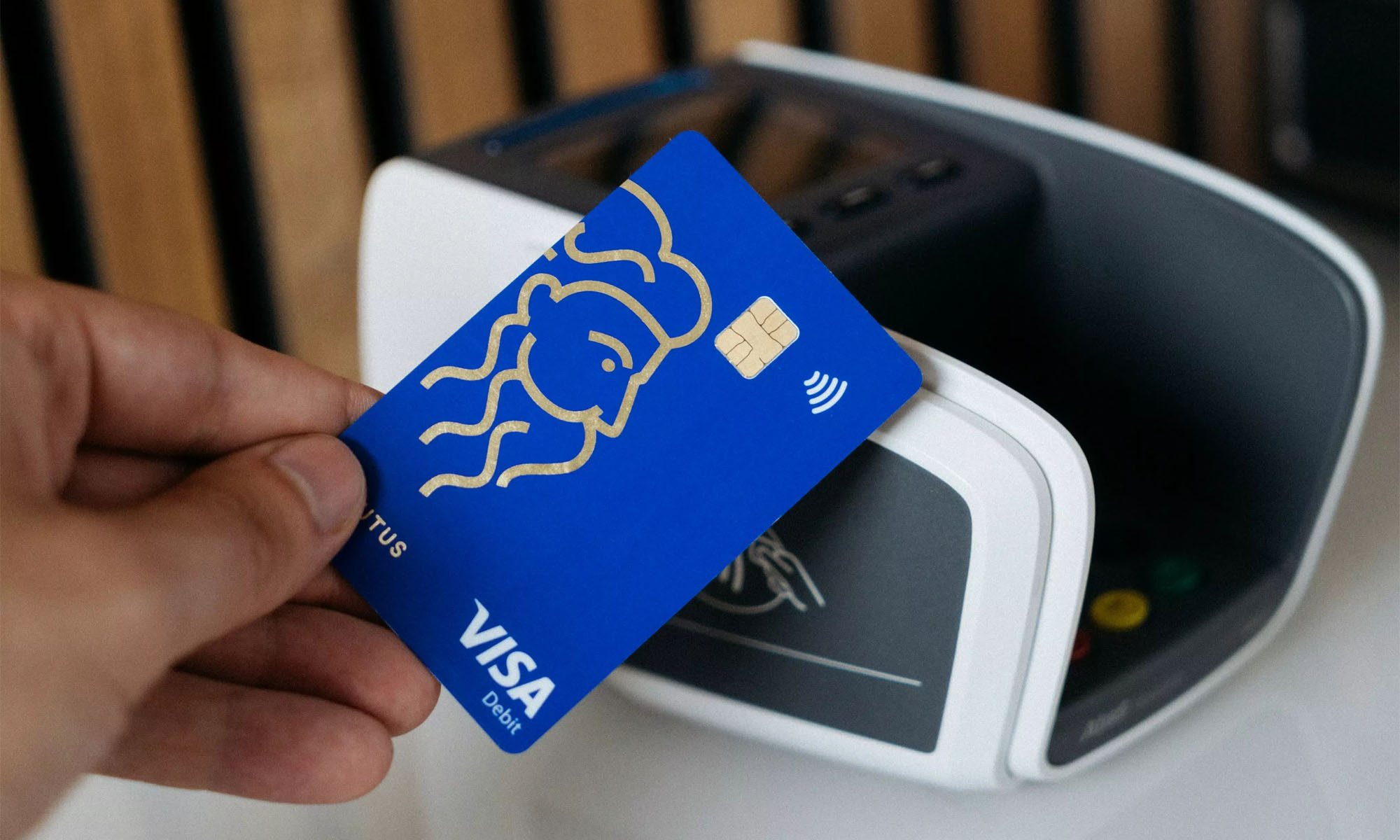
Visa is returning to Syria. Its first live international card transaction in the country was a test rather than a launch, and the milestone event ran through a Lebanese bank.
The acquirer (the bank on the merchant’s side of a card payment) was Fransabank Lebanon, with Paymera as the other named partner. Nadim Moujaes, who heads a Fransabank Group subsidiary, describes the test as both the culmination of “longstanding efforts to link Syria back to international payment networks” and “the first step in a larger path”.
Syrian President Ahmed Al-Sharaa makes the first electronic payment in Syria using a @Visa card at a store in Damascus, following the lifting of US sanctions on Syria. pic.twitter.com/lpAN7nQ6Fc
— Tech Magazine (@TechMGZN) August 27, 2026
“We are excited to have successfully tested live transactions today as we plan to enable international visitors to use their Visa cards while in Syria,” says Leila Serhan, Visa’s senior vice president and group country manager for the North Africa, Levant and Pakistan region. Although a significant first step, that plan doesn’t come with a hard date for when a visitor’s card will work normally.
Mohammed Safwat Raslan, governor of the Central Bank of Syria, says the test paves the way for international card acceptance in Syria and that maintaining strong compliance, risk management and operational controls will remain essential. Serhan likewise stresses that Visa has worked within applicable legal, regulatory and compliance requirements. For a test transaction, it seems there was a great deal of attention paid to the rules, with the entire operation being carefully managed.
Also Read: Lebanon’s 5G Era Begins With 150 Stations And A $1M Budget
The test is the latest step in a sequence that began in December 2025, when Visa announced a strategic roadmap to support Syria’s integration into the global digital economy. In February 2026 it hosted its first industry gathering of banks, ecosystem partners and policymakers in Damascus and, the same month, signed an agreement with Syria’s Ministry of Communications and Information Technology in San Francisco.
Michel Kattouah, Paymera’s CEO, called the test “the return of international card acceptance,” but while that’s positive news, there’s no word yet on when a Syrian bank will issue a Visa card to a Syrian customer.

Visa’s Return To Syria Starts With A Test And A Bank In Lebanon

RØDE’s New DS3 Studio Arm Is Built For Heavier Creator Setups

Dubai Turns AI On Its Own Civil Service To Measure Productivity

Former Rockstar Director Dismisses GTA 6 Leaks As “Nothing Burger”

Qatar Airways Flies The World’s First Starlink-Equipped 787-9

Spotify Will Now Tell You If Your Favorite Artist Isn’t Real

Instagram Redraws Its Wordmark And The Internet Reads “Instagzam”

Anghami’s New Elite Program Starts With A Three-Decade Catalog

Qatar Is Getting Its First EV Plant, Built To Cope With Gulf Heat

Dubai’s aradus Wants AI To Run The Back Office Of Physical Trade


-
 News3 weeks ago
Instagram Redraws Its Wordmark And The Internet Reads “Instagzam”
-
 News3 weeks ago
Anghami’s New Elite Program Starts With A Three-Decade Catalog
-
 News3 weeks ago
Qatar Is Getting Its First EV Plant, Built To Cope With Gulf Heat
-
 News3 weeks ago
Dubai’s aradus Wants AI To Run The Back Office Of Physical Trade