
News
Samsung Unveils ChatGPT Alternative Called Gauss
The generative AI model can create text, code and images.

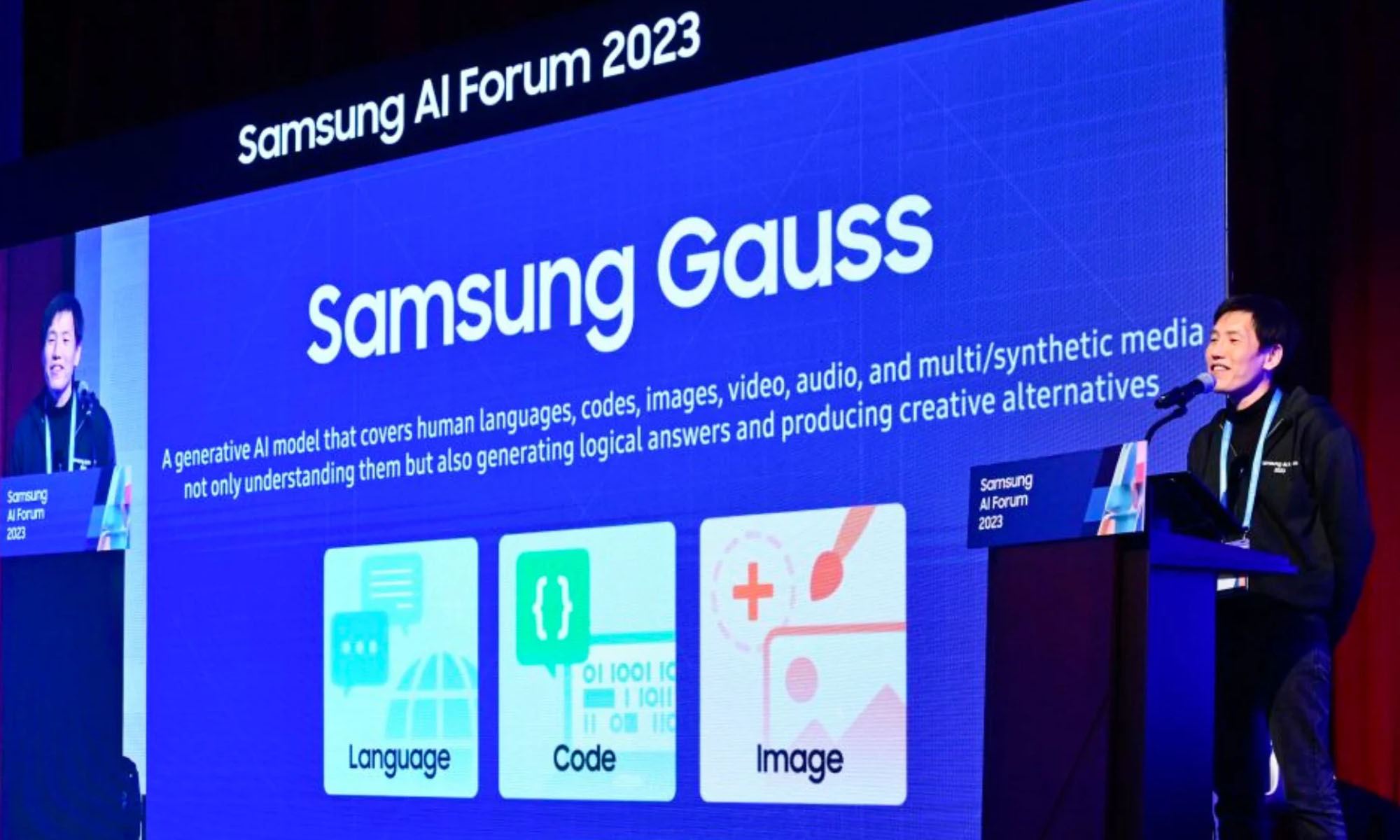
Samsung has unveiled its own generative AI model, known as Samsung Gauss. The ChatGPT rival has been developed by the company’s research division, and is named after mathematician Carl Friedrich Gauss, a pioneer of AI and machine learning.
The new tool will consist of three distinct elements:
- Samsung Gauss Language
- Samsung Gauss Code
- Samsung Gauss Image
Gauss Language is a large language model that functions much like ChatGPT. The tool can understand human language and answer questions while also helping users write and edit emails, translate languages, and summarize text documents. Samsung plans to incorporate Gauss Language into its range of smartphones, tablets, and laptops to increase productivity.
Gauss Code is a tool that will help developers to write code more quickly. Samsung explained that the AI model will support “code description and test case generation through an interactive interface”.
Gauss Image, as the name suggests, is an image generation and editing tool that can also be used for tasks such as creating high-resolution images from older, low-resolution copies.
Samsung has revealed that Gauss is already being used internally by staff and will be available to public users “in the near future”. In addition, the tech company has created an AI Red Team to monitor potential AI security, privacy, and ethical issues.
Also Read: Top 10 Best Freelance Platforms In The Middle East
“We will continue to support and collaborate with the industry and academia on generative AI research,” said Daehyun Kim, executive vice president of the Samsung Research Global AI Center, at the AI forum.
Samsung’s generative AI announcement comes seven months after the company issued a temporary ban on the tools for company-owned devices — including ChatGPT and Google Bard — after a serious internal data leak earlier in 2023.




News
New Disney+ Streaming App Has Officially Launched In The UAE
The app’s recommendations now factor in what’s popular in the UAE, and a dedicated Junior Mode gives kids their own corner of Disney+.

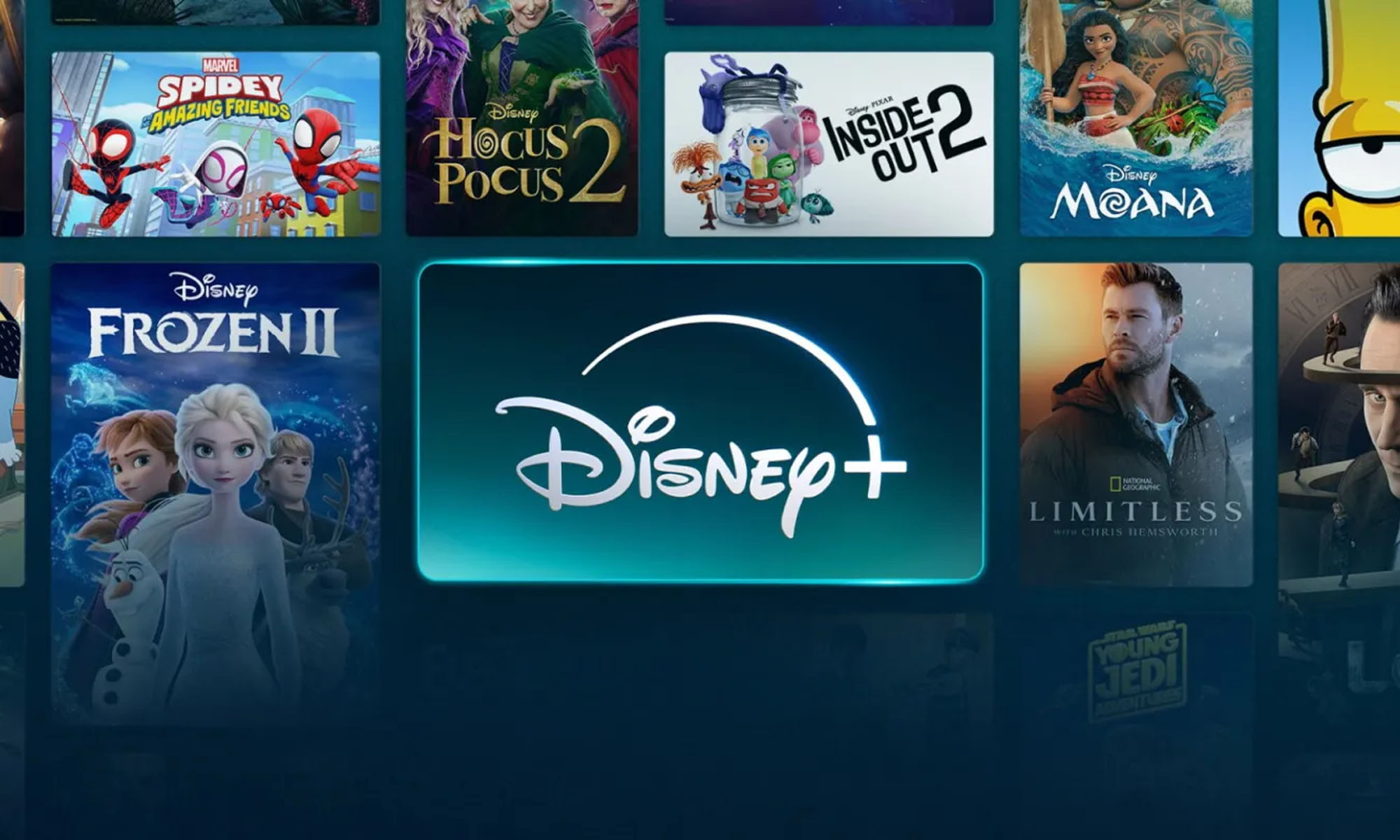
A new Disney+ app has officially launched in the UAE, and subscribers can now keep watching their favorite titles when they travel. Disney+ says access extends across supported markets in Europe, the United States and beyond.
The app is built around a dynamic homepage and simpler navigation, with recommendations drawn from each customer’s viewing habits and what’s popular in the UAE. Content from Hulu and ESPN is now easier to find alongside Disney+’s own library, the company says. Audio and subtitles come in up to 25 languages, and supported devices get high-quality video and sound.
For families, the app includes Junior Mode, a dedicated, simplified version of Disney+ for younger viewers, built around age-appropriate shows and movies. It sits alongside existing controls such as PIN-protected profiles, customizable content ratings and account notifications when a profile is changed.
The catalog still spans Disney, Pixar, Marvel, Star Wars, National Geographic, Hulu and FX. Returning series include Season 8 of “The Kardashians,” Season 23 of “Grey’s Anatomy” and Season 38 of “The Simpsons”. Also on the service are the second season of International Emmy and BAFTA Award-winning series “Rivals,” comedy “Only Murders in the Building,” Walt Disney Animation Studios’ “Zootropolis 2” and 20th Century Studios’ “Send Help”.
Also Read: Best Video Streaming Services In The Middle East
Marvel Television’s “VisionQuest” is on the way, and Disney’s live-action “Moana” is due later this autumn. Beyond Hollywood, the Turkish title “Halef” is coming to the platform alongside a lineup of Korean entertainment: Korean-Japanese romantic comedy “Merry Berry Love” is streaming now, and “The Remarried Empress” arrives November 4.
Existing subscribers will be prompted to download the new app and sign in with their current credentials, with on-screen steps covering account confirmation and profile setup. Subscriptions start at AED 49.99 per month and can be canceled at any time.
For UAE subscribers planning to travel, the update will likely be well received, but Disney has left one question open. It confirms Europe and the United States as supported markets but doesn’t yet say which others fall under and beyond.

New Disney+ Streaming App Has Officially Launched In The UAE

Dubai Says Its Deepfake Detector Needs Just 7 Seconds Of Video

OpenAI Has Announced A Visual Ad Format For ChatGPT

For etisalat, More Bandwidth Is A Matter Of Digital Sovereignty

NEOPAY Wants To Follow Merchants Across Channels And Borders

Trip.com Is Betting An AI Agent Will Book Your Next Vacation

Musk’s Boring Company Wants To Dig 150 KM Of Tunnel Under The UAE

OKX Bets Streaming Perks Can Take Crypto Mainstream Across MENA

Meta’s New $499 Plan Puts A Price On Reaching A Real Person

Apple’s First Folding iPhone Arrives Late To A Shrinking Market


-
 News3 weeks ago
Trip.com Is Betting An AI Agent Will Book Your Next Vacation
-
 News4 weeks ago
Musk’s Boring Company Wants To Dig 150 KM Of Tunnel Under The UAE
-
 News3 weeks ago
OKX Bets Streaming Perks Can Take Crypto Mainstream Across MENA
-
 News3 weeks ago
Meta’s New $499 Plan Puts A Price On Reaching A Real Person