
News
The $1,499 Quest Pro Is Meta’s VR Solution For Business
Mark Zuckerberg has announced a new mixed-reality device designed for professionals, dubbed the Meta Quest Pro.

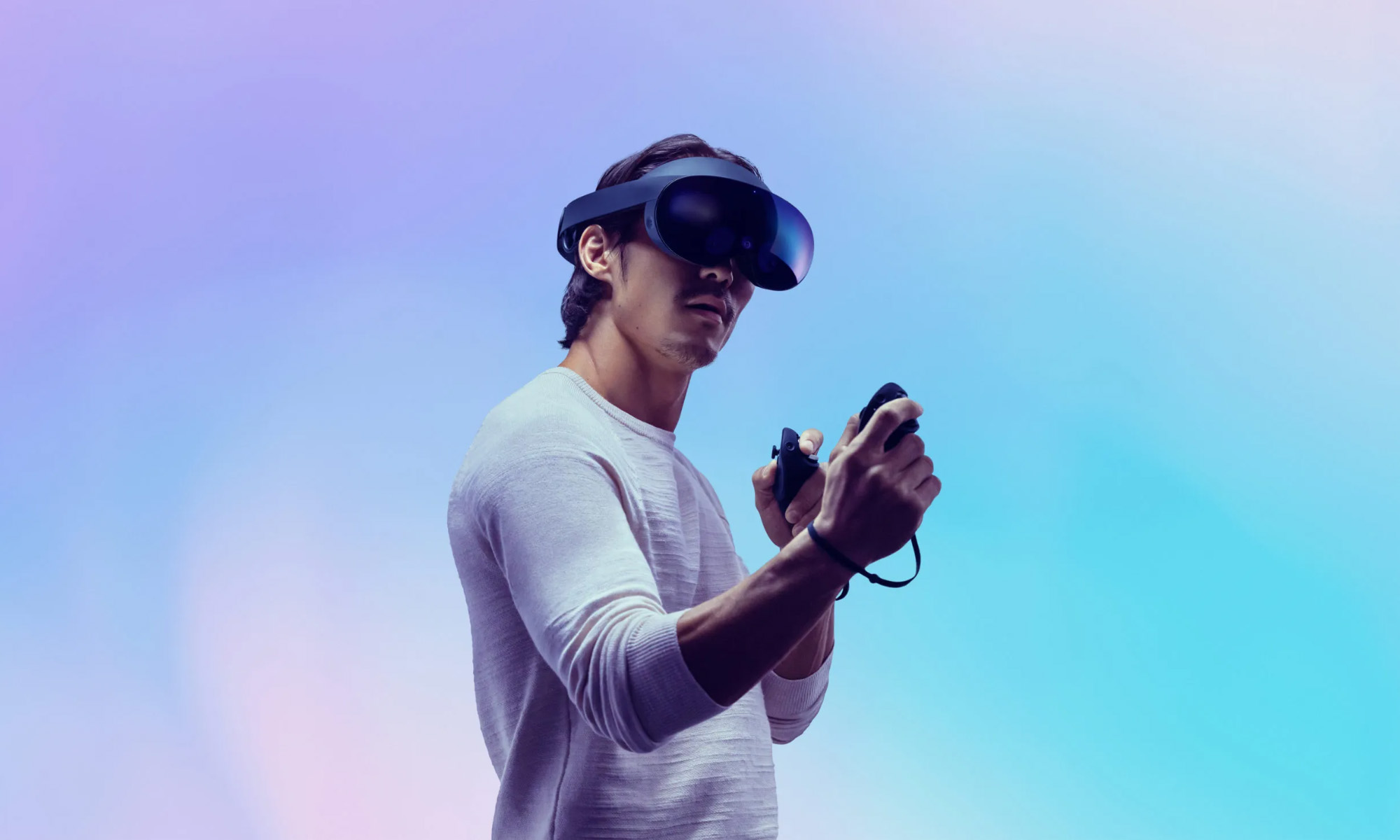
At Meta Connect 2022, a new device designed for business professionals has been unveiled, and it represents a considerable upgrade from the cheaper $399 Quest 2 device.
Meta’s new Quest Pro VR device aims to increase “social presence, productivity, and collaboration”, using advanced eye tracking and multiple virtual screens overlaid on top of your physical apartment or office space.
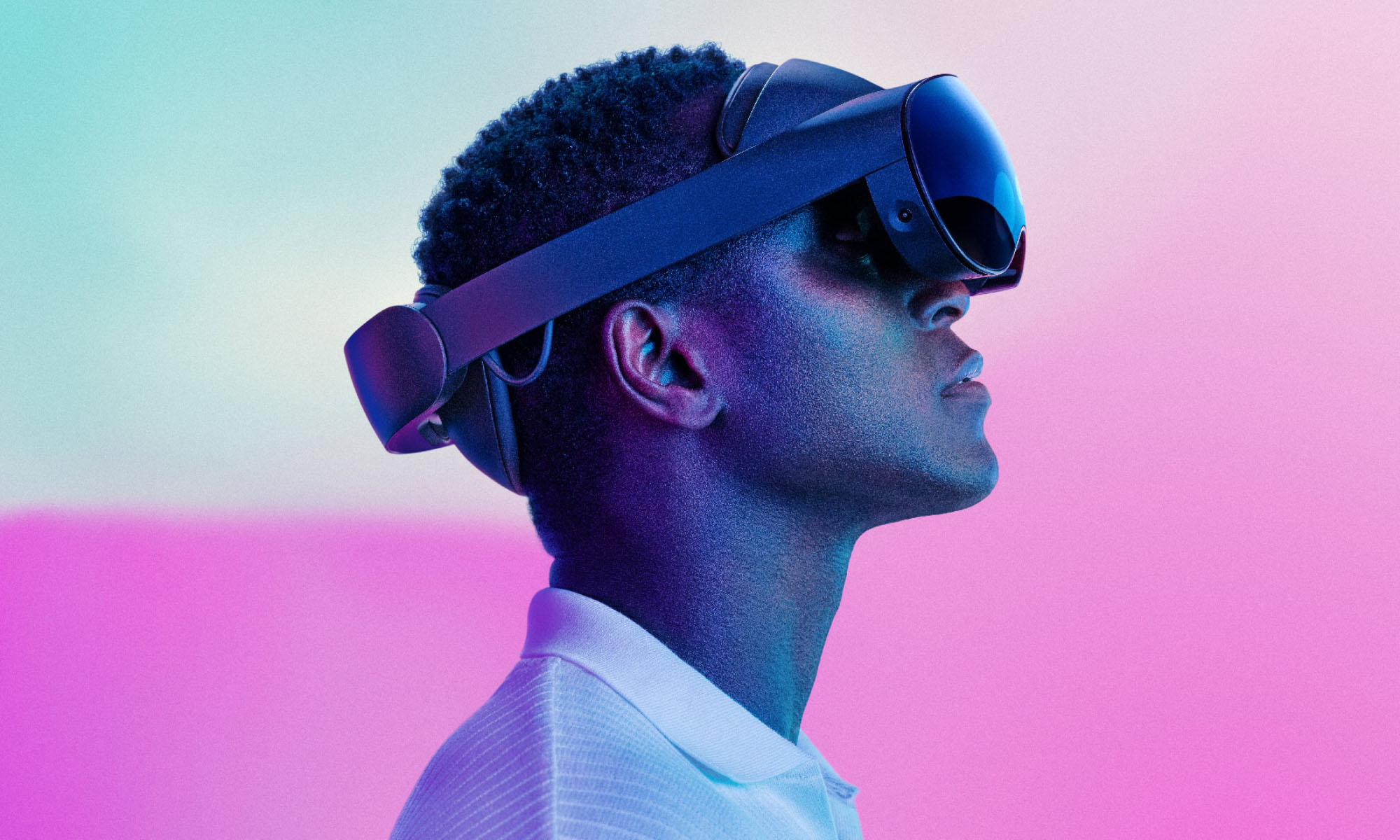
The Quest Pro features a unique “open periphery design,” which allows wearers to still see the world around them in their peripheral vision, with magnetic light blockers available if a more immersive experience is required.
Compared to the Quest 2, the new device sports a 40% thinner pancake lens, with better visuals and two LCDs that offer richer colors and far more contrast. The Quest Pro also provides 37% more pixels per inch, with the aforementioned eye-tracking technology and better facial recognition to render avatar expressions.
All New Controllers
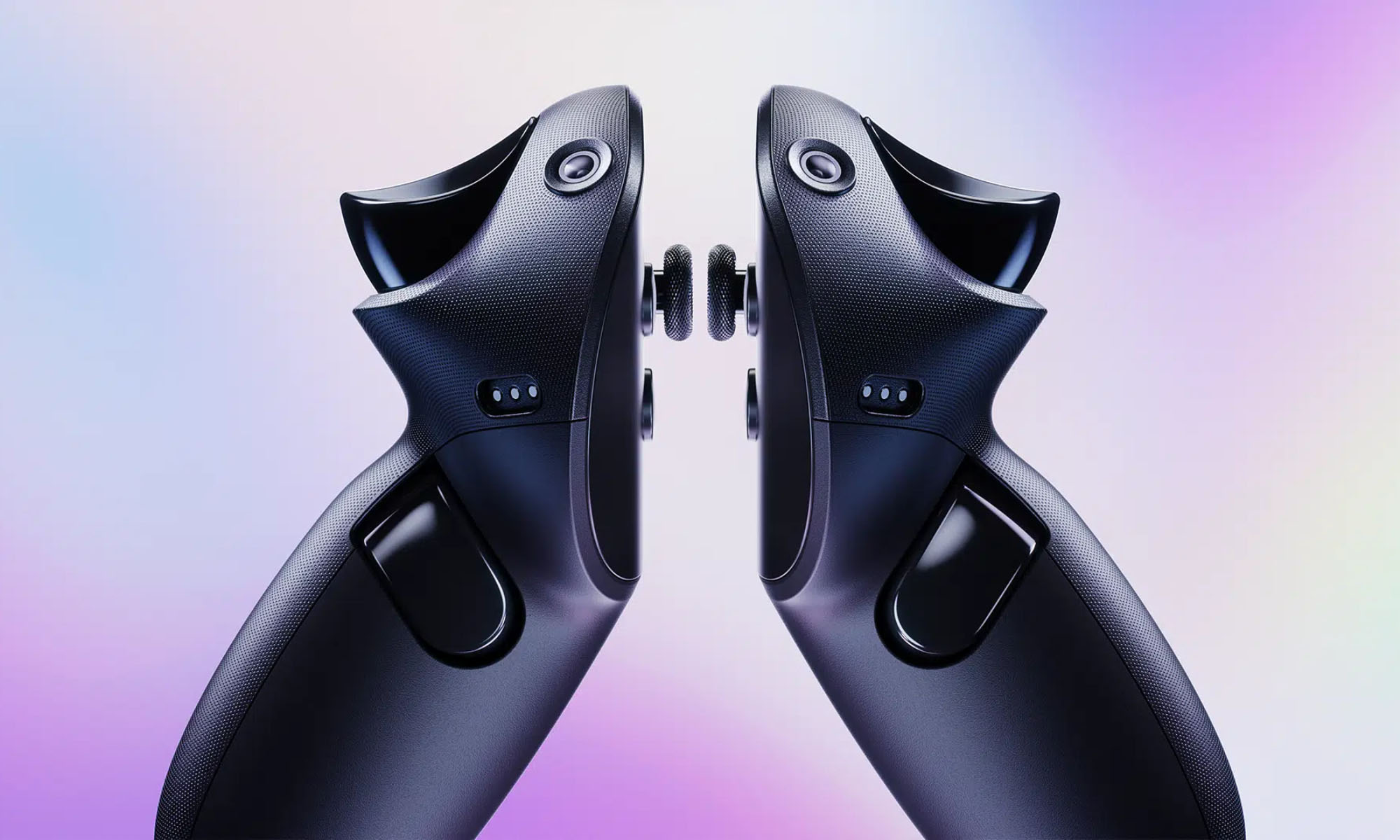
As well as a visual update, the Meta Quest Pro features all-new controllers with a more ergonomic design. Haptic feedback and triple sensors are present to track movement independently of the headset, enabling 360 degrees of motion. Finally, a stylus can be added to the bottom of each controller, allowing more creative options for Horizon Workrooms and other programs.
The new Meta Quest Touch Pro controllers have an upgraded, ergonomic design and haptic capabilities through the company’s TruTouch Haptics system. The controllers’ three built-in sensors are the biggest change, tracking movement independently of the headset to enable a 360-degree range of motion. You can also add a stylus to the bottom of the controllers, transforming them into writing utensils for Horizon Workrooms and other apps.
Bigger Battery, More Storage
The Quest Pro runs on the new Qualcomm Snapdragon XR2+ platform, which offers 50% more power than the Meta Quest 2, with better cooling ability. There’s a new curved battery too, offering improved balance and comfort, and it’s rechargeable via a 45W USB-C dock (along with the controllers).
Configuration options are lacking, with the Pro sporting 12GB of RAM and 256GB of storage. Controllers and stylus tips are included in the price, along with the charging dock and magnetic light blockers, though optional accessories, such as a carrying case, will cost extra.






News
Microsoft Plans $10 Billion-Plus Gulf Expansion Despite Iran Conflict
Security is shaping Microsoft’s approach, from resilience work with governments to what it will say about how the money splits by country.
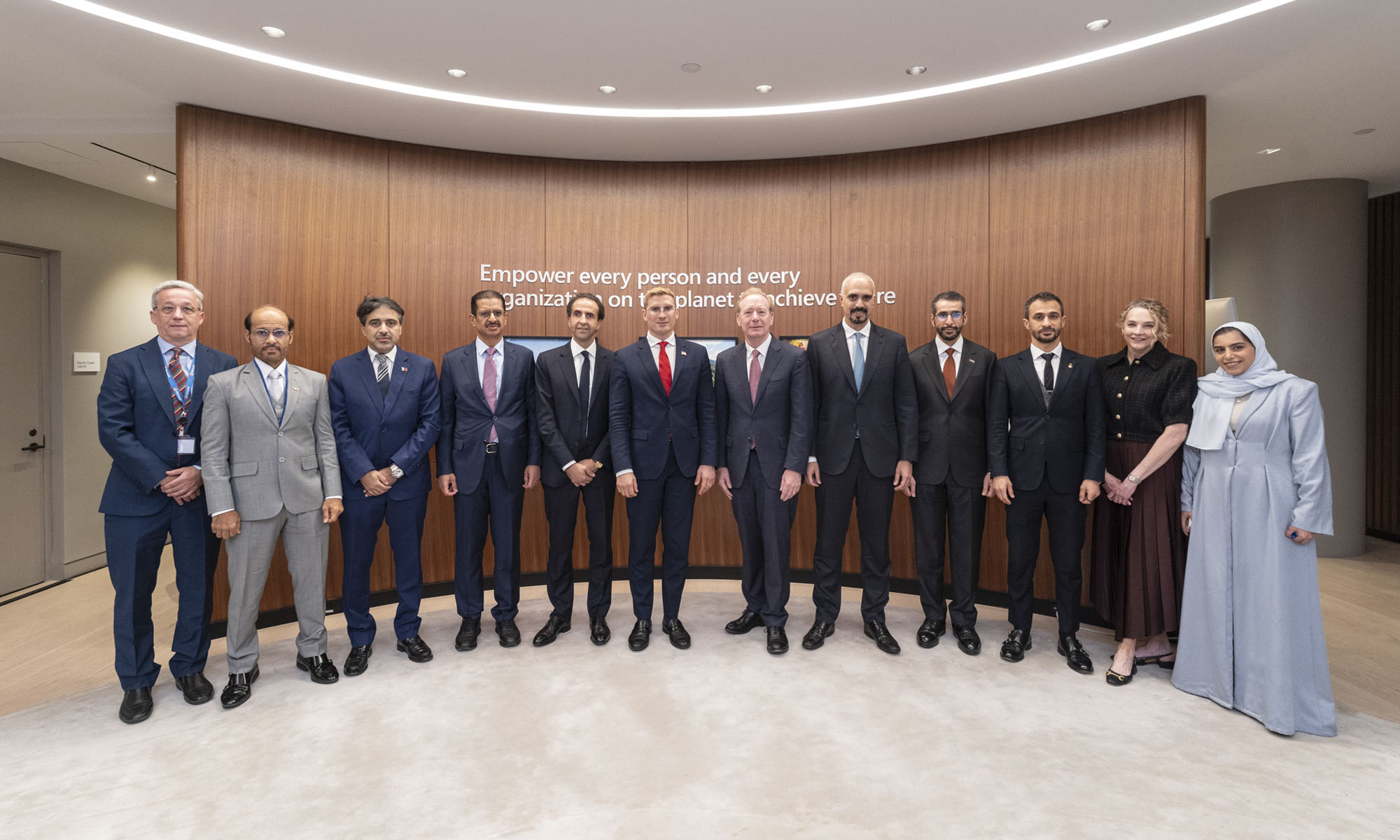
Microsoft is planning more than $10 billion of investment across the UAE, Saudi Arabia, Qatar and Kuwait through 2030, Vice Chair and President Brad Smith told Reuters, calling the spending schedule aggressive. The Iranian conflict that began on February 28 has not persuaded the company to scale back.
“We’re sustaining all the investments we planned to make before this conflict started, and we are in fact adding to them,” Smith said. The $10 billion-plus total does not, however, show how large those additions are.
The investment, which Smith described as part of Microsoft’s continued infrastructure expansion, is aimed at cloud and AI infrastructure and at the company’s growing regional operations. Microsoft also intends to put more than $400 million into subsea and terrestrial connectivity across the Middle East by 2030.
The spending fits the region’s own ambitions too. Gulf governments have been investing heavily in AI infrastructure as part of a push to diversify their economies beyond oil and gas and turn themselves into global technology hubs. Major cloud and AI providers have been drawn in part by the land and relatively low-cost energy on offer.
Microsoft is widening its partnerships with regional AI companies, though not on identical terms. In 2024, it invested $1.5 billion in Abu Dhabi-based G42 for a minority stake, and Smith currently sits on G42’s board. Saudi Arabia’s Humain and Qatar’s Qai are working with Microsoft on selected priority areas, but Smith said the company does not plan to make capital investments in either.
Also Read: Egypt’s Mobile Wallets Are Booming, But Cash Still Has Power
The conflict has added another strand to Microsoft’s work in the region. Since it began, Smith said, the company has supported regional partners with digital resilience assessments, and it is now working with Gulf countries through a digital resilience initiative focused on preparedness and the protection of critical data.
So far, the company has given no country-by-country breakdown of the investment, citing security among other factors. So while the headline figure is public, how Microsoft divides the spending among the four countries is not.

Microsoft Plans $10 Billion-Plus Gulf Expansion Despite Iran Conflict

In Kuwait, Your Surgeon Might Be Operating From Another Country

Qatar Folds 45 State Companies Into A Single Investment Platform

Trip.com Is Betting An AI Agent Will Book Your Next Vacation

Meta’s New $499 Plan Puts A Price On Reaching A Real Person

Apple’s First Folding iPhone Arrives Late To A Shrinking Market
Trip.com Is Betting An AI Agent Will Book Your Next Vacation

Egypt’s Mobile Wallets Are Booming, But Cash Still Has Power

OKX Bets Streaming Perks Can Take Crypto Mainstream Across MENA

Musk’s Boring Company Wants To Dig 150 KM Of Tunnel Under The UAE


-
 News3 weeks ago
Apple’s First Folding iPhone Arrives Late To A Shrinking Market
-
 News2 weeks ago
Trip.com Is Betting An AI Agent Will Book Your Next Vacation
-
 News2 weeks ago
Egypt’s Mobile Wallets Are Booming, But Cash Still Has Power
-
 News2 weeks ago
OKX Bets Streaming Perks Can Take Crypto Mainstream Across MENA