
News
BitOasis Secures $30 Million In Funding To Accelerate Growth
BitOasis currently allows its users to buy and sell more than 20 cryptocurrencies, including Bitcoin, Ethereum, and Ripple.


BitOasis, the largest cryptocurrency platform in the MENA region, has successfully raised $30 million in a Series B round to accelerate its growth while ensuring high standards of regulatory compliance.
The platform was founded in 2015 by Ola Doudin, and it’s headquartered in the United Arab Emirates. Thanks to its founder’s visionary ability to predict the increasingly important role cryptocurrencies are playing in the world, it had been perfectly positioned to take advantage of the cryptocurrency boom.
The funding round was co-led by Chicago-based VC firm Jump Capital, along with Wamda, the largest growth stage fund in the MENA region. Other investors that joined in include Alameda Research, Global Founders Capital, Pantera Capital, Digital Currency Group, and NXMH.
“The company perfectly embodies the elements we seek when investing in international crypto exchanges,” says Peter Johnson, a partner leading Jump Capital’s crypto strategy. “An exceptional team that deeply understands the market, a focus on regulatory compliance, and an ability to build a leading consumer brand”.
According to the official funding announcement, BitOasis wants to solidify its presence and refine its product offering in the countries the cryptocurrency platform already operates in while also expanding to nearby countries. BitOasis is also building strategic partnerships with the public sector to raise awareness around crypto safety, one of the biggest roadblocks to its wider adoption.
Also Read: A Beginner’s Guide To Getting Started With NFTs
“Our latest investment round serves as a vote of confidence in the BitOasis growth story,” commented Ola Doudin. “It further speaks to the state of interest in the MENA region’s growing crypto ecosystem, with global investors and venture capital heavyweights backing the region’s home-grown businesses”.
BitOasis currently allows its users to buy and sell more than 20 cryptocurrencies, including Bitcoin, Ethereum, and Ripple, with UAE Dirham (AED) and Saudi Riyal (SAR). To start trading, all that users have to do is sign up, verify their identity, and securely deposit funds through one of the supported options.






News
Abu Dhabi’s Robot Kitchen Is Serving Up Biryani, Not Burgers
Circus SE wants to put a tiny automated factory inside the buildings where Gulf residents live and work, bypassing part of last-mile delivery.

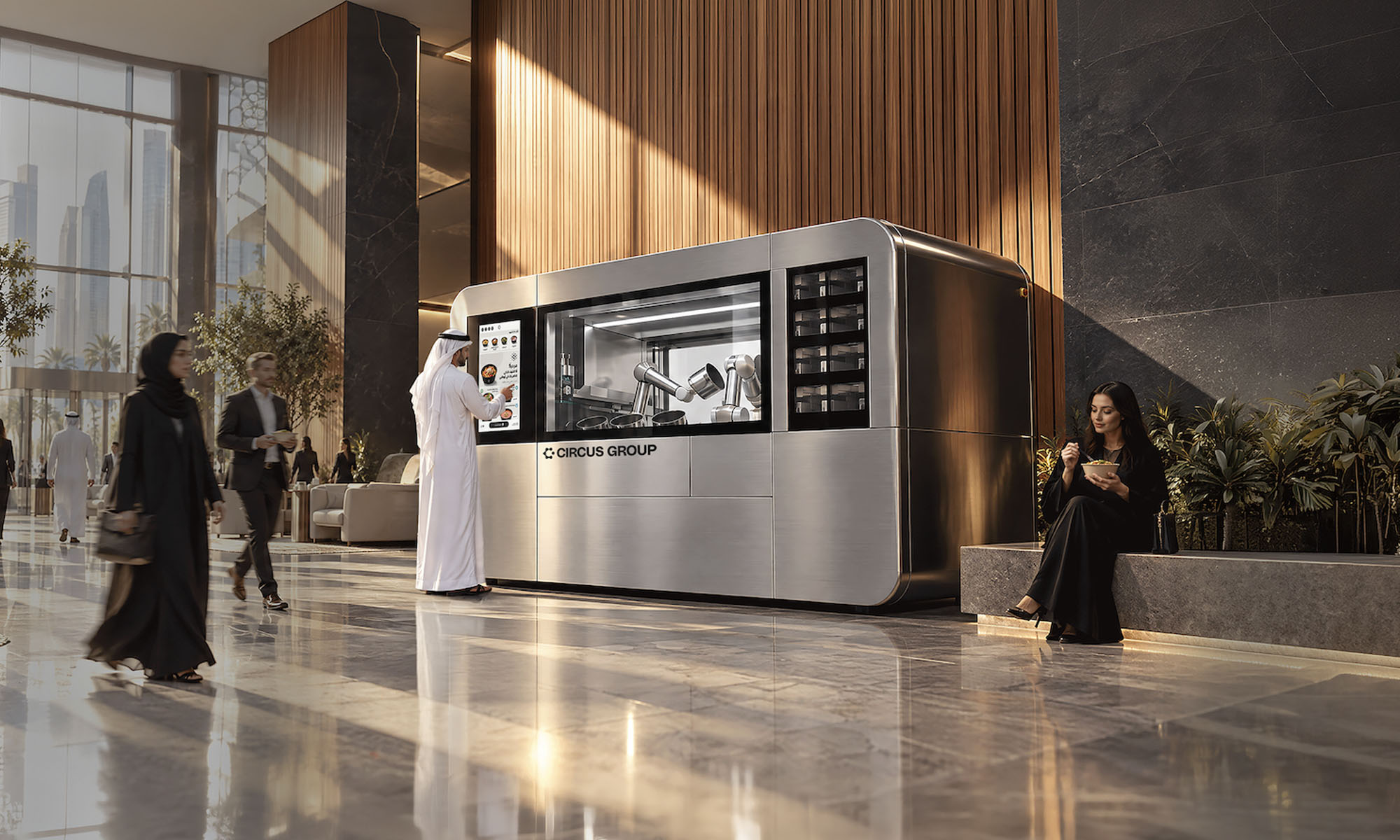
The most telling thing about a new autonomous kitchen now running in Abu Dhabi’s Marina Square is what it won’t cook:
“We don’t do fast food,” says Nikolas Bullwinkel, Founder and CEO of Circus SE. “We’ve actively decided not to build a machine that can only do burgers”.
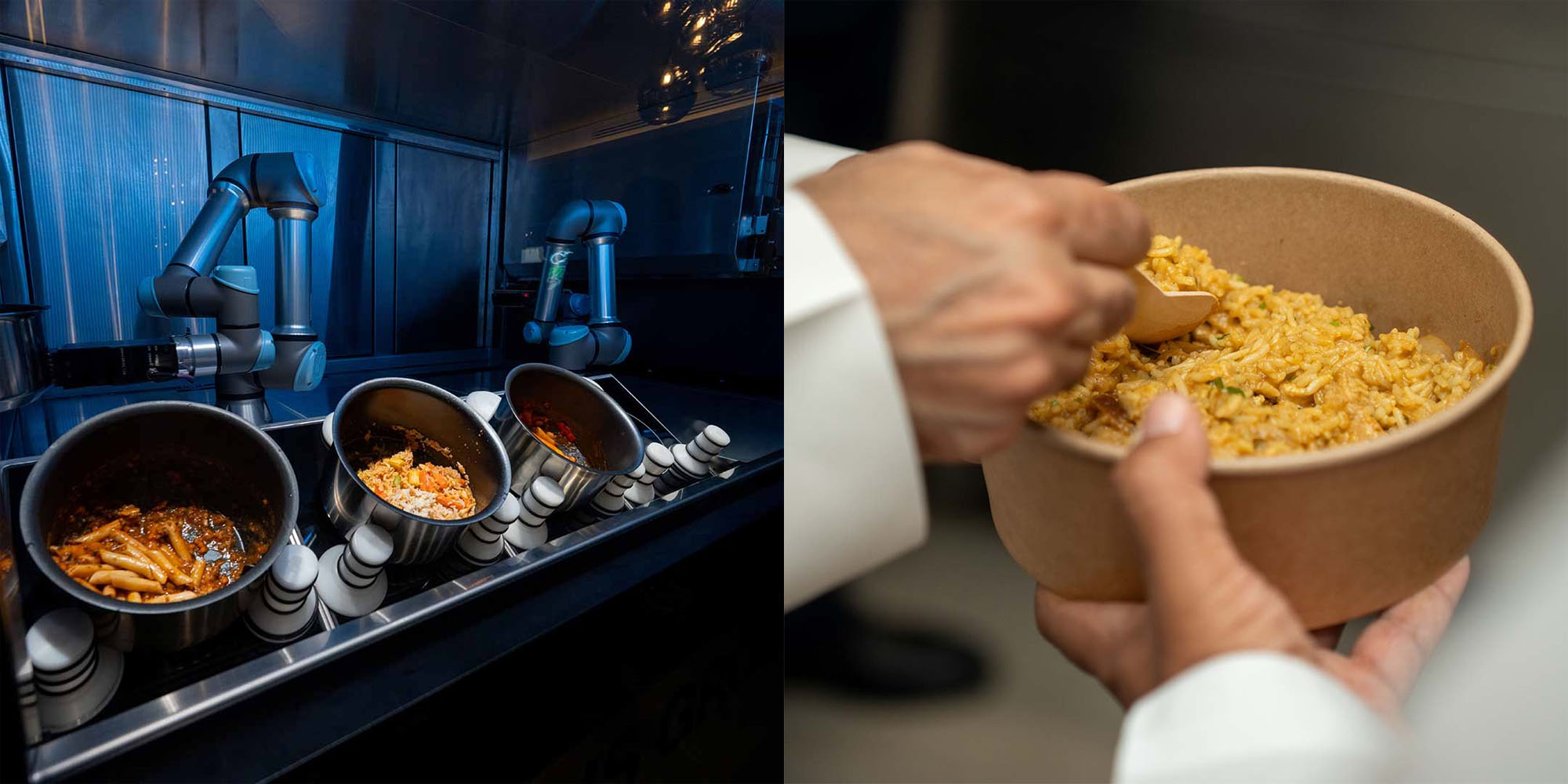
Instead, the CA-1 system is built around pot-based cooking: curries, pastas, soups and rice dishes. After experimenting with highly personalized recipes, Circus deliberately leaned back toward recognizable food. “We’re going with a chicken biryani because you know it,” Bullwinkel says of the AED 40 dish.
The Germany-based robotics and food technology company operates across eight countries, and Abu Dhabi is its first deployment outside Europe. More locations are expected there and in Dubai.
In Germany, its units can be placed in supermarkets, gas stations, airports and hospitals. In the Gulf, Bullwinkel wants them inside residential and office buildings, replacing some of the complexity of last-mile delivery. “We’re basically bringing a very tiny factory a few square meters into your building,” he says. Catering company Royal Prestige supplies the ingredients and knowledge of local tastes.
The CA-1 manages up to 36 refrigerated ingredient silos alongside automated induction cooking, robotic plating and a self-cleaning dishwasher. Two robotic arms move ingredients through the system with minimal human intervention. It can produce up to 120 hot meals an hour, and a meal such as rice and curry can take around three to four minutes.
Also Read: Ooredoo Qatar’s 5G+ Network Is Built For Machines As Much As People
Five cameras and multiple sensors monitor heat, temperature and consistency, an attempt to approximate what a chef perceives. “You can hear something gets burned, you can smell it, you can see it at some point,” Bullwinkel says. CircusOS, the company’s operating system, adjusts recipes in real time.
You might think of the platform as a threat to kitchen staff, but Bullwinkel frames Circus as a way for chefs to develop recipes and distribute them at scale. With that being said, rising labor costs and shortages are also part of his case for automation.

Abu Dhabi’s Robot Kitchen Is Serving Up Biryani, Not Burgers

Sennheiser’s MOMENTUM 5 Series Bets On Batteries You Can Swap

UAE’s 3-Minute University Registration Runs On Government Data

How Online Ads Became A Delivery System For Zero-Click Spyware

Shokz OpenDots 2 Review: Clip-On Audio Gets A Bass-Heavy Makeover

Dubai Says Its Deepfake Detector Needs Just 7 Seconds Of Video

New Disney+ Streaming App Has Officially Launched In The UAE

NEOPAY Wants To Follow Merchants Across Channels And Borders

RØDE’s Low-Profile Studio Arm Is Designed To Stay Out Of Shot

G42’s Inception42 Wants AI To Show Its Work Before Investors Commit


-
 News3 weeks ago
Dubai Says Its Deepfake Detector Needs Just 7 Seconds Of Video
-
 News3 weeks ago
New Disney+ Streaming App Has Officially Launched In The UAE
-
 News3 weeks ago
NEOPAY Wants To Follow Merchants Across Channels And Borders
-
 News4 weeks ago
RØDE’s Low-Profile Studio Arm Is Designed To Stay Out Of Shot