
News
Global Tech Giants Boost Saudi Presence Due To State Pressure
Firms including Amazon, Google, and Microsoft face government legislation designed to curb economic leakage.

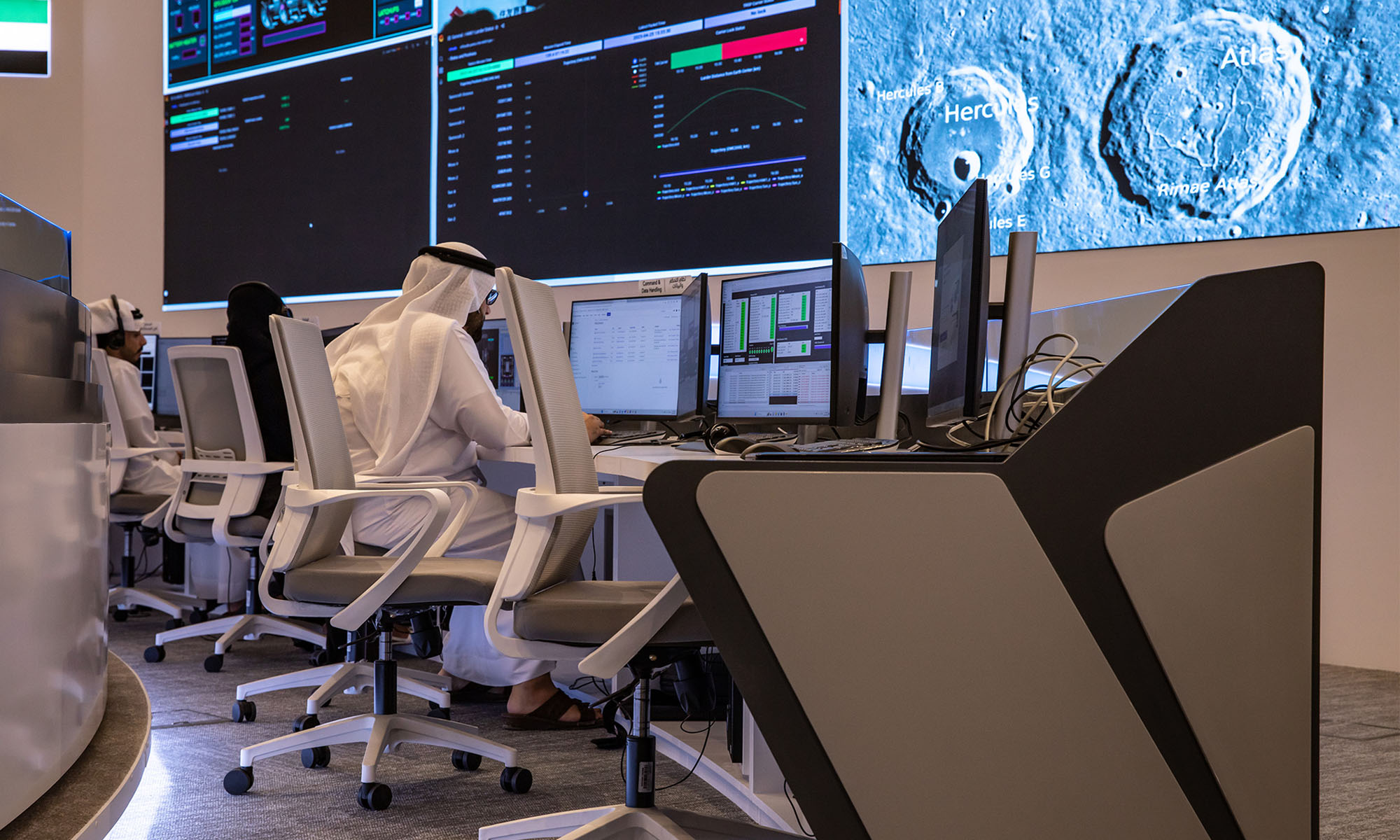
Global technology heavyweights, such as Amazon, Google, and Microsoft, are actively expanding their presence in Saudi Arabia in response to the government’s intention to withhold contracts from companies lacking regional headquarters within the country.
The move is part of a greater economic agenda that involves curbing the substantial amount of state and citizen spending that exits the country annually. As part of that plan, the government seeks to cease awarding contracts to international firms that merely shuttle executives in and out of the Kingdom.
Saudi Arabia introduced the new regulations in February 2021, citing a desire to minimize “economic leakage”. As per government records, all three of the US corporations mentioned above have now obtained licenses to establish regional headquarters in Riyadh in adherence to the January 1st deadline.
Towards the end of 2023, there was a noticeable surge in activity among large corporations aiming to establish local headquarters. Notable among the firms that have already received licenses are Airbus, Oracle, and Pfizer.
In further efforts to bolster the economy and attract international investments, Crown Prince Mohammed bin Salman has also eased restrictions on gender mixing, women driving, and public entertainment. Nevertheless, limited lifestyle options and policies such as the continued alcohol ban have deterred many foreign executives from residing in the country.
Also Read: Oman Plans To Have 22,000 EVs On Its Roads By 2030
However, Saudi Arabia’s status as the largest economy in the region, along with plans to invest trillions of dollars to become a tourism and commercial hub, has prompted numerous multinational corporations to reevaluate their Middle East operations.
Recent Saudi economic policies are widely seen as an attempt to compete with Dubai, the Middle East’s foremost business hub, which has long attracted multinational firms due to its lifestyle, low taxation, and connectivity. So far, more than 200 firms have already received headquarters licenses, including Bechtel, PwC, and PepsiCo, all of whom have announced Riyadh as their regional headquarters.




News
Microsoft Plans $10 Billion-Plus Gulf Expansion Despite Iran Conflict
Security is shaping Microsoft’s approach, from resilience work with governments to what it will say about how the money splits by country.
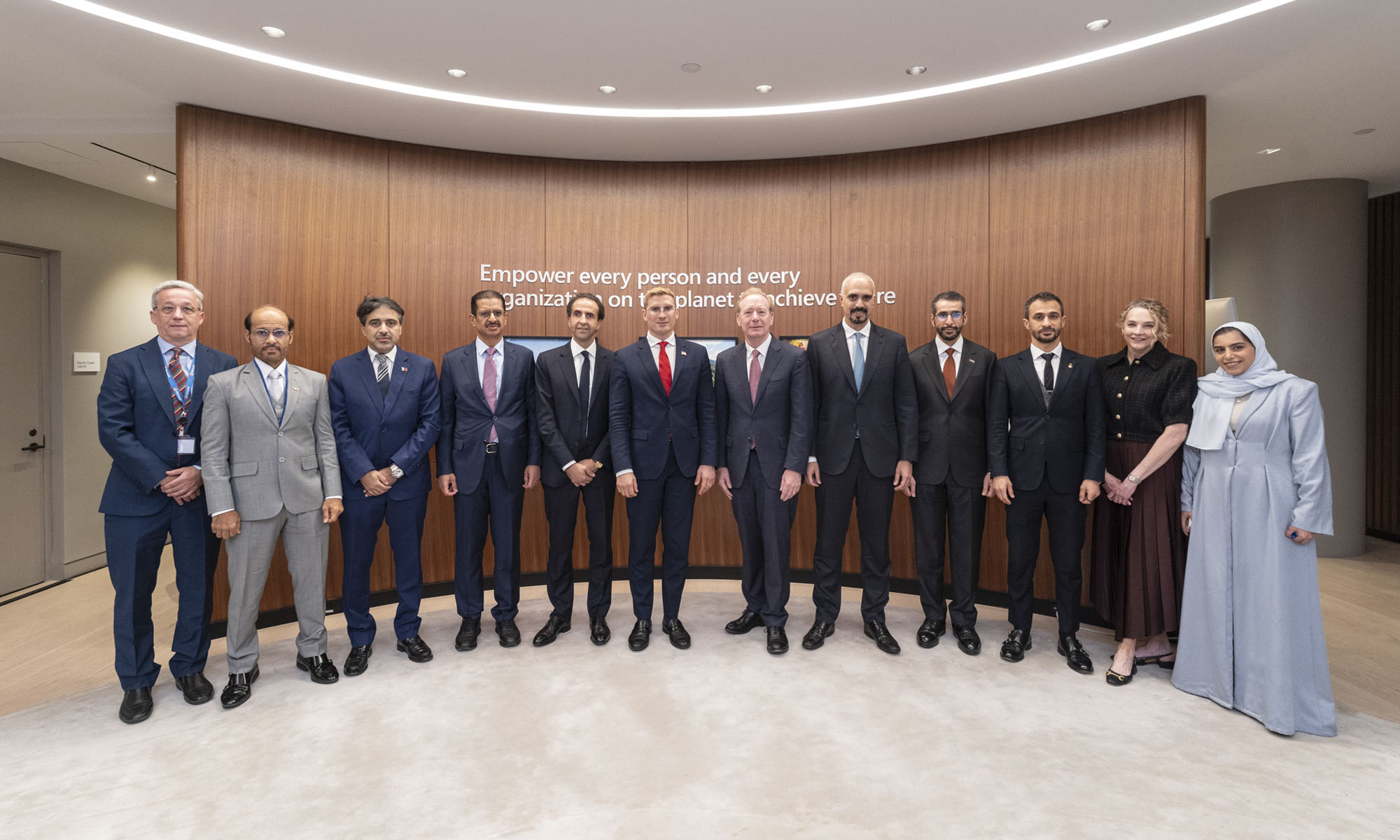
Microsoft is planning more than $10 billion of investment across the UAE, Saudi Arabia, Qatar and Kuwait through 2030, Vice Chair and President Brad Smith told Reuters, calling the spending schedule aggressive. The Iranian conflict that began on February 28 has not persuaded the company to scale back.
“We’re sustaining all the investments we planned to make before this conflict started, and we are in fact adding to them,” Smith said. The $10 billion-plus total does not, however, show how large those additions are.
The investment, which Smith described as part of Microsoft’s continued infrastructure expansion, is aimed at cloud and AI infrastructure and at the company’s growing regional operations. Microsoft also intends to put more than $400 million into subsea and terrestrial connectivity across the Middle East by 2030.
The spending fits the region’s own ambitions too. Gulf governments have been investing heavily in AI infrastructure as part of a push to diversify their economies beyond oil and gas and turn themselves into global technology hubs. Major cloud and AI providers have been drawn in part by the land and relatively low-cost energy on offer.
Microsoft is widening its partnerships with regional AI companies, though not on identical terms. In 2024, it invested $1.5 billion in Abu Dhabi-based G42 for a minority stake, and Smith currently sits on G42’s board. Saudi Arabia’s Humain and Qatar’s Qai are working with Microsoft on selected priority areas, but Smith said the company does not plan to make capital investments in either.
Also Read: Egypt’s Mobile Wallets Are Booming, But Cash Still Has Power
The conflict has added another strand to Microsoft’s work in the region. Since it began, Smith said, the company has supported regional partners with digital resilience assessments, and it is now working with Gulf countries through a digital resilience initiative focused on preparedness and the protection of critical data.
So far, the company has given no country-by-country breakdown of the investment, citing security among other factors. So while the headline figure is public, how Microsoft divides the spending among the four countries is not.

Microsoft Plans $10 Billion-Plus Gulf Expansion Despite Iran Conflict

In Kuwait, Your Surgeon Might Be Operating From Another Country

Qatar Folds 45 State Companies Into A Single Investment Platform

Trip.com Is Betting An AI Agent Will Book Your Next Vacation

Meta’s New $499 Plan Puts A Price On Reaching A Real Person

Apple’s First Folding iPhone Arrives Late To A Shrinking Market
Trip.com Is Betting An AI Agent Will Book Your Next Vacation

Egypt’s Mobile Wallets Are Booming, But Cash Still Has Power

OKX Bets Streaming Perks Can Take Crypto Mainstream Across MENA

Musk’s Boring Company Wants To Dig 150 KM Of Tunnel Under The UAE


-
 News3 weeks ago
Apple’s First Folding iPhone Arrives Late To A Shrinking Market
-
 News2 weeks ago
Trip.com Is Betting An AI Agent Will Book Your Next Vacation
-
 News2 weeks ago
Egypt’s Mobile Wallets Are Booming, But Cash Still Has Power
-
 News2 weeks ago
OKX Bets Streaming Perks Can Take Crypto Mainstream Across MENA