
News
Instagram Attempts To Dispel Shadowbanning Conspiracies
The Meta-owned company wants creators to better understand how the platform’s algorithms work.


A new blog post by Adam Mosseri — Instagram’s top exec — has offered some of the most detailed explanations about how the platform’s algorithm ranks various recommended content in a bid to dispel conspiracy theories concerning shadowbanning.
“Instagram doesn’t have a singular algorithm that oversees what people do and don’t see on the app,” explained Mosseri in his post. Instead, the executive explained that there are several algorithms and ranking systems working behind the scenes of the Explore, Reels, Stories, and Search sections of the app, with each using different signals for cues as to whether a creator or piece of content should be offered for a viewer’s perusal.
Regarding the order of posts in a user’s main feed, the algorithm uses past viewing activity to determine what to show next, as well as “closeness” and “how likely you are to be connected as friends or family”. On the other hand, Explore recommendations are primarily driven by “posts you’ve liked, saved, shared, and commented on in the past” but are more likely to come from creators or accounts the user has never interacted with.
One of the most interesting parts of Mosseri’s blog post is about “addressing shadowbanning”. Mosseri admits there isn’t a universal definition for the term but acknowledges that some creators “use the term to imply that a user’s account or content is limited or hidden without a clear explanation or justification”. Mosseri says that Instagram is working hard to increase transparency around when content or accounts are hidden from the platform’s recommendations.
Also Read: Adobe Firefly AI Image Generator Comes To Photoshop
Mosseri notes that the “account status” feature will alert users if their content or entire account is considered “ineligible” for recommendations and that an appeals process is also available. While this isn’t the first time Instagram has addressed shadowbanning, there has been a noticeable shift in how the company talks about the topic.
The new details from Adam Mosseri’s blog underscore just how vital algorithm recommendations are to Instagram’s operation. Meta chief Mark Zuckerberg has even said that his goal is to transform both Instagram and Facebook into “discovery engines” focused on recommendations rather than posts from friends.






News
Microsoft Plans $10 Billion-Plus Gulf Expansion Despite Iran Conflict
Security is shaping Microsoft’s approach, from resilience work with governments to what it will say about how the money splits by country.
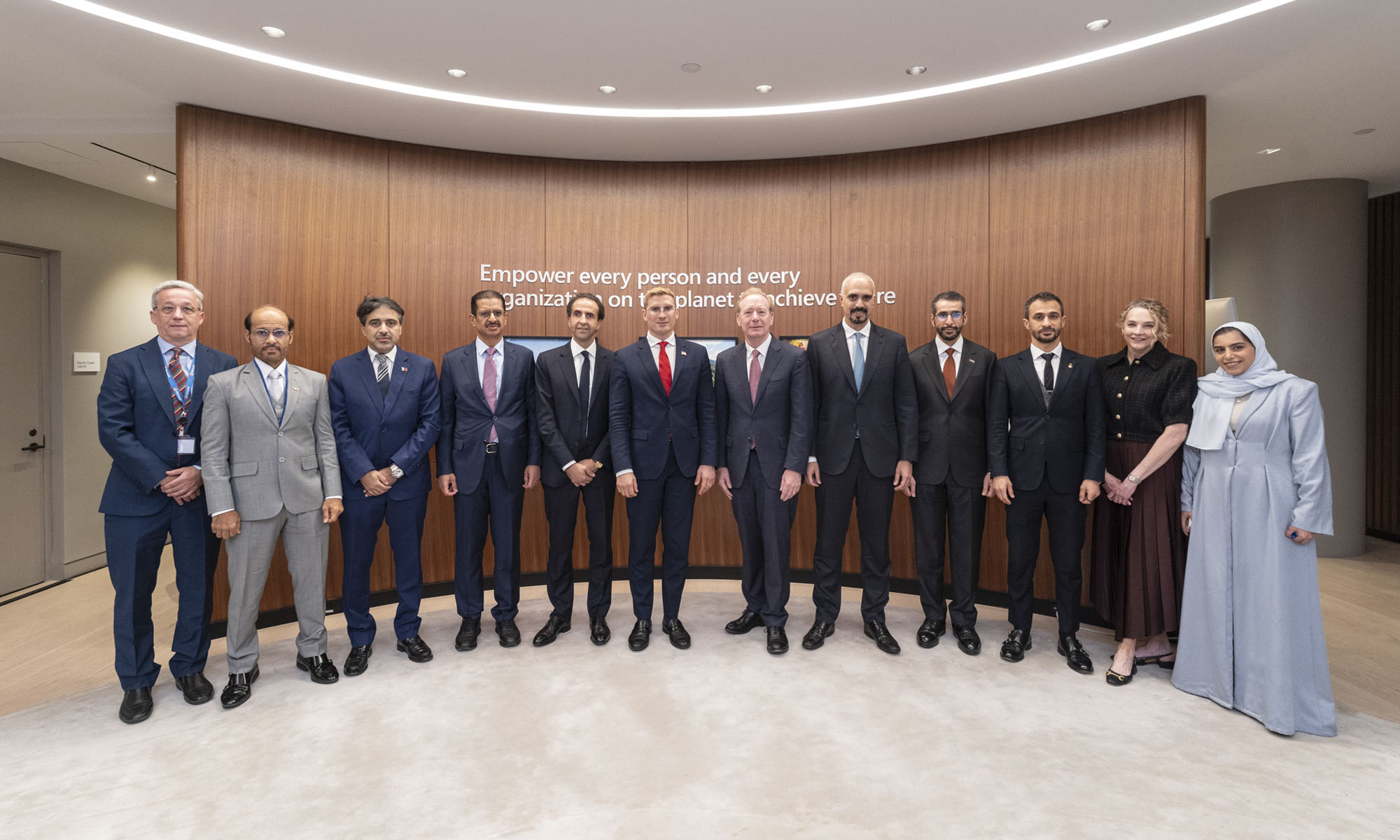
Microsoft is planning more than $10 billion of investment across the UAE, Saudi Arabia, Qatar and Kuwait through 2030, Vice Chair and President Brad Smith told Reuters, calling the spending schedule aggressive. The Iranian conflict that began on February 28 has not persuaded the company to scale back.
“We’re sustaining all the investments we planned to make before this conflict started, and we are in fact adding to them,” Smith said. The $10 billion-plus total does not, however, show how large those additions are.
The investment, which Smith described as part of Microsoft’s continued infrastructure expansion, is aimed at cloud and AI infrastructure and at the company’s growing regional operations. Microsoft also intends to put more than $400 million into subsea and terrestrial connectivity across the Middle East by 2030.
The spending fits the region’s own ambitions too. Gulf governments have been investing heavily in AI infrastructure as part of a push to diversify their economies beyond oil and gas and turn themselves into global technology hubs. Major cloud and AI providers have been drawn in part by the land and relatively low-cost energy on offer.
Microsoft is widening its partnerships with regional AI companies, though not on identical terms. In 2024, it invested $1.5 billion in Abu Dhabi-based G42 for a minority stake, and Smith currently sits on G42’s board. Saudi Arabia’s Humain and Qatar’s Qai are working with Microsoft on selected priority areas, but Smith said the company does not plan to make capital investments in either.
Also Read: Egypt’s Mobile Wallets Are Booming, But Cash Still Has Power
The conflict has added another strand to Microsoft’s work in the region. Since it began, Smith said, the company has supported regional partners with digital resilience assessments, and it is now working with Gulf countries through a digital resilience initiative focused on preparedness and the protection of critical data.
So far, the company has given no country-by-country breakdown of the investment, citing security among other factors. So while the headline figure is public, how Microsoft divides the spending among the four countries is not.

Microsoft Plans $10 Billion-Plus Gulf Expansion Despite Iran Conflict

In Kuwait, Your Surgeon Might Be Operating From Another Country

Qatar Folds 45 State Companies Into A Single Investment Platform

Trip.com Is Betting An AI Agent Will Book Your Next Vacation

Meta’s New $499 Plan Puts A Price On Reaching A Real Person

Apple’s First Folding iPhone Arrives Late To A Shrinking Market
Trip.com Is Betting An AI Agent Will Book Your Next Vacation

Egypt’s Mobile Wallets Are Booming, But Cash Still Has Power

OKX Bets Streaming Perks Can Take Crypto Mainstream Across MENA

Musk’s Boring Company Wants To Dig 150 KM Of Tunnel Under The UAE


-
 News3 weeks ago
Apple’s First Folding iPhone Arrives Late To A Shrinking Market
-
 News2 weeks ago
Trip.com Is Betting An AI Agent Will Book Your Next Vacation
-
 News2 weeks ago
Egypt’s Mobile Wallets Are Booming, But Cash Still Has Power
-
 News2 weeks ago
OKX Bets Streaming Perks Can Take Crypto Mainstream Across MENA