
News
NEOM And Volocopter Partner To Create World’s First Bespoke Public eVTOL Mobility System
These first eVTOL aircraft will connect NEOM’s core urban development, called the Line, with other regional destinations.

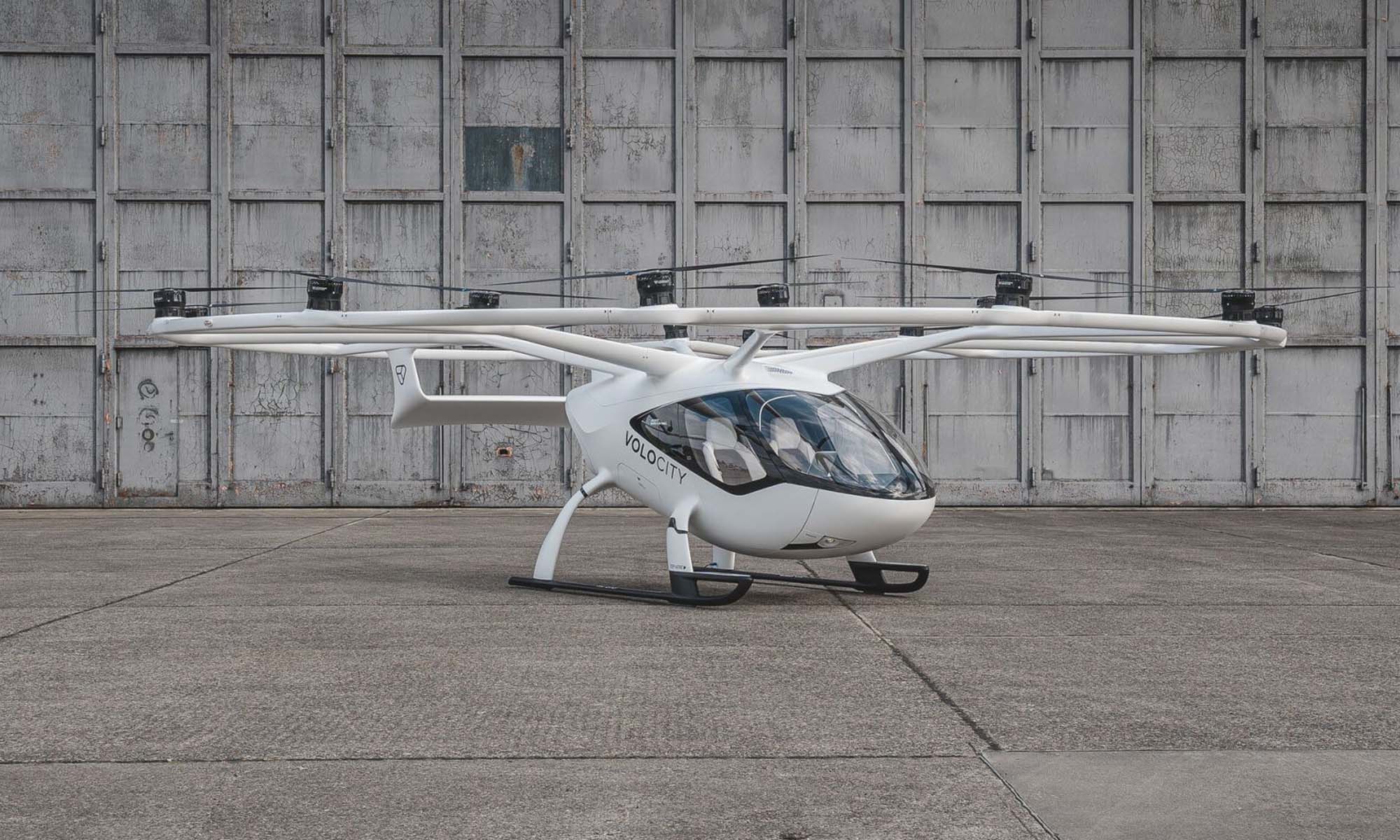
The concept of electric vertical take-off and landing (eVTOL) aircraft should be familiar to all fans of sci-fi literature, movies, and video games.
Because of their ability to take off and land vertically, such aircraft are suited for operation in densely populated urban areas that would easily trap even small airplanes. Since eVTOL aircraft rely on electric propulsion, they generate much less noise pollution compared with traditional helicopters.
Now, Volocopter, a German eVTOL aircraft manufacturer based in Bruchsal has established a joint venture (JV) company with NEOM, a planned smart city in the Tabuk Province of northwestern Saudi Arabia that aims to realize a daring vision of what the future could be.
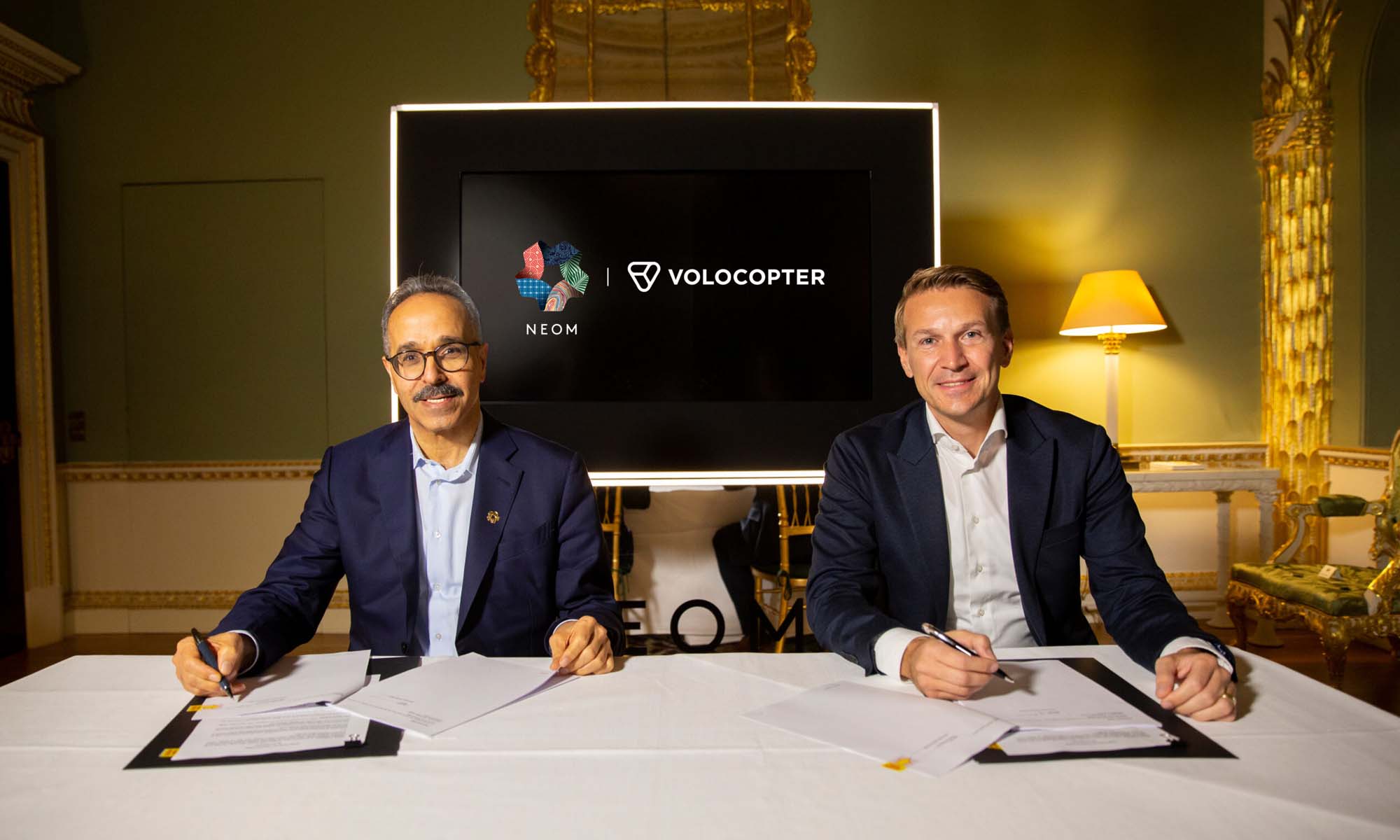
The goal of the new company is to design, implement, and operate the world’s first bespoke public vertical mobility system in NEOM. Once operational, the system will provide air taxi and logistics services and integrate with the rest of NEOM’s multi-modal and zero-emissions public mobility system.
“We are incredibly excited and proud to partner with Volocopter to make vertical mobility a reality here at NEOM. Volocopter is internationally recognized for leading innovation in the eVTOL industry and is a perfect match for our ambitious goals to create the first truly sustainable, shared, and seamlessly integrated mobility system in the world” said Florian Lennert, Head of Mobility, NEOM.
Read More: SpaceX Inspiration4 Tourists Share Incredible Photos Of Earth
The JV has so far ordered 10 VoloCity passenger and 5 VoloDrone logistics aircraft from Volocopter, and plans are already in place to scale up activities from the beginning of 2022.
These first eVTOL aircraft will connect NEOM’s core urban development, called the Line, with other regional destinations. The Line is supposed to be a 170 km long linear city without conventional cars, and it will be home to over 1 million citizens when finished.





News
Abu Dhabi’s Robot Kitchen Is Serving Up Biryani, Not Burgers
Circus SE wants to put a tiny automated factory inside the buildings where Gulf residents live and work, bypassing part of last-mile delivery.

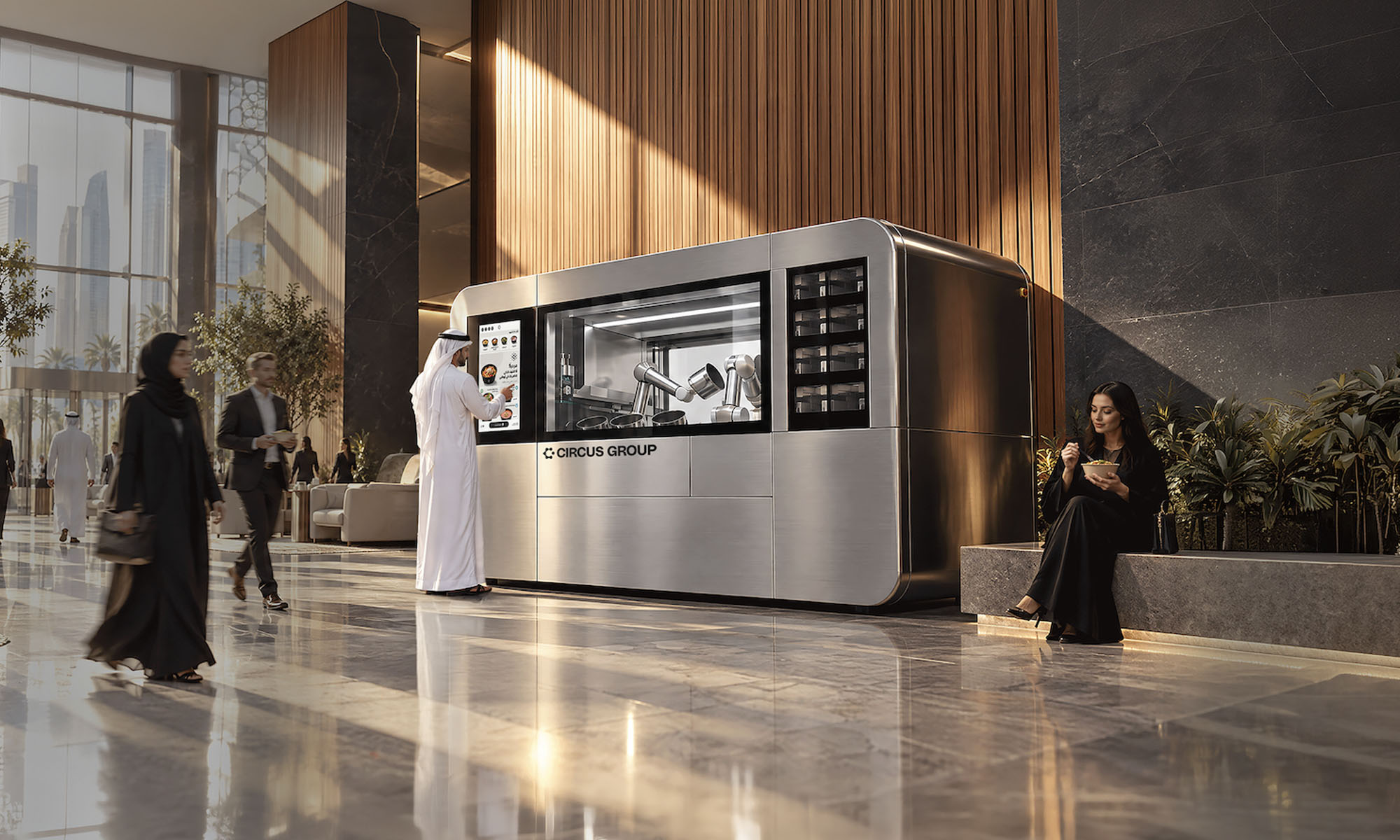
The most telling thing about a new autonomous kitchen now running in Abu Dhabi’s Marina Square is what it won’t cook:
“We don’t do fast food,” says Nikolas Bullwinkel, Founder and CEO of Circus SE. “We’ve actively decided not to build a machine that can only do burgers”.
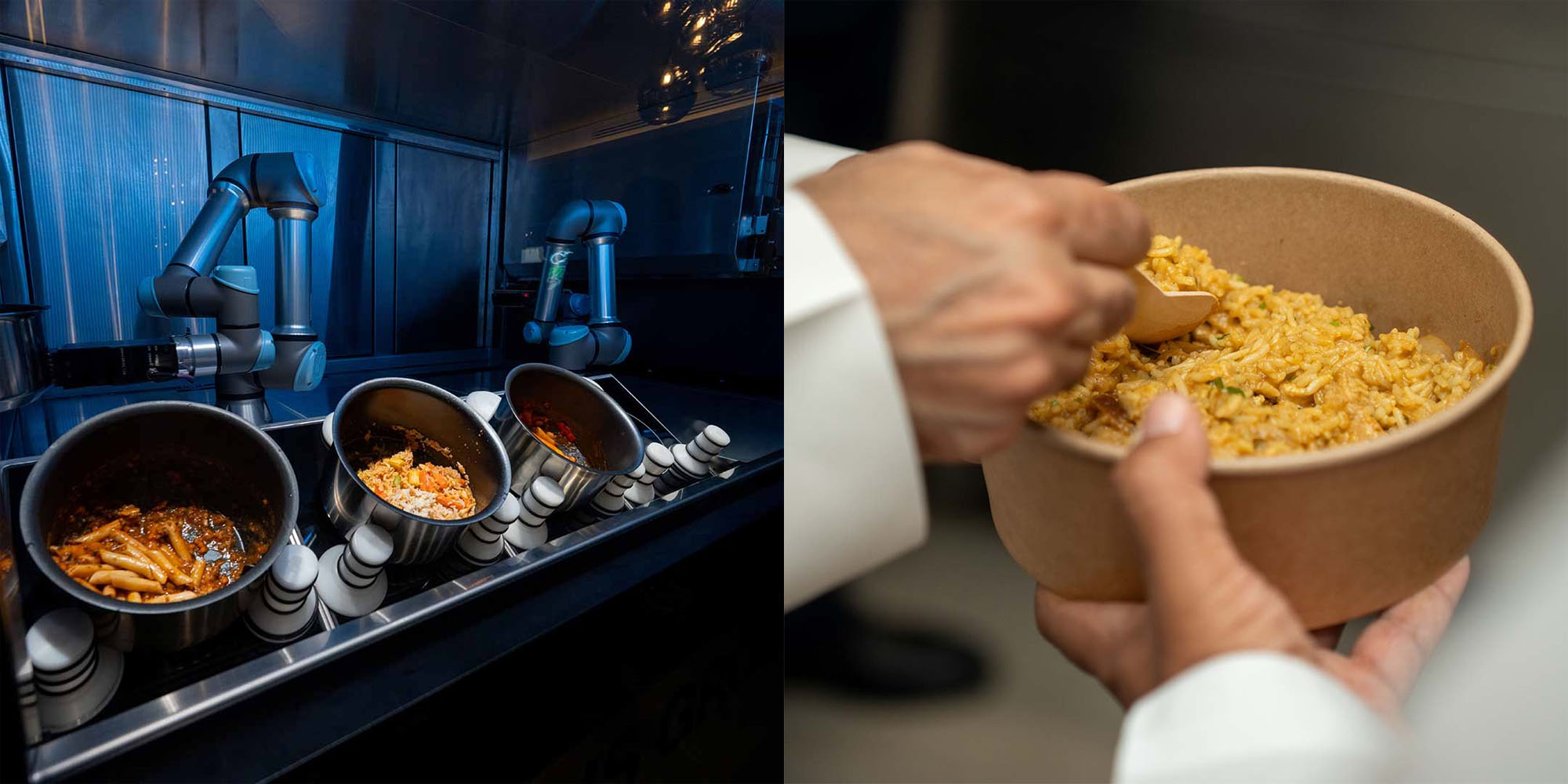
Instead, the CA-1 system is built around pot-based cooking: curries, pastas, soups and rice dishes. After experimenting with highly personalized recipes, Circus deliberately leaned back toward recognizable food. “We’re going with a chicken biryani because you know it,” Bullwinkel says of the AED 40 dish.
The Germany-based robotics and food technology company operates across eight countries, and Abu Dhabi is its first deployment outside Europe. More locations are expected there and in Dubai.
In Germany, its units can be placed in supermarkets, gas stations, airports and hospitals. In the Gulf, Bullwinkel wants them inside residential and office buildings, replacing some of the complexity of last-mile delivery. “We’re basically bringing a very tiny factory a few square meters into your building,” he says. Catering company Royal Prestige supplies the ingredients and knowledge of local tastes.
The CA-1 manages up to 36 refrigerated ingredient silos alongside automated induction cooking, robotic plating and a self-cleaning dishwasher. Two robotic arms move ingredients through the system with minimal human intervention. It can produce up to 120 hot meals an hour, and a meal such as rice and curry can take around three to four minutes.
Also Read: Ooredoo Qatar’s 5G+ Network Is Built For Machines As Much As People
Five cameras and multiple sensors monitor heat, temperature and consistency, an attempt to approximate what a chef perceives. “You can hear something gets burned, you can smell it, you can see it at some point,” Bullwinkel says. CircusOS, the company’s operating system, adjusts recipes in real time.
You might think of the platform as a threat to kitchen staff, but Bullwinkel frames Circus as a way for chefs to develop recipes and distribute them at scale. With that being said, rising labor costs and shortages are also part of his case for automation.

Abu Dhabi’s Robot Kitchen Is Serving Up Biryani, Not Burgers

Sennheiser’s MOMENTUM 5 Series Bets On Batteries You Can Swap

UAE’s 3-Minute University Registration Runs On Government Data

How Online Ads Became A Delivery System For Zero-Click Spyware

Shokz OpenDots 2 Review: Clip-On Audio Gets A Bass-Heavy Makeover

Dubai Says Its Deepfake Detector Needs Just 7 Seconds Of Video

New Disney+ Streaming App Has Officially Launched In The UAE

NEOPAY Wants To Follow Merchants Across Channels And Borders

RØDE’s Low-Profile Studio Arm Is Designed To Stay Out Of Shot

G42’s Inception42 Wants AI To Show Its Work Before Investors Commit


-
 News3 weeks ago
Dubai Says Its Deepfake Detector Needs Just 7 Seconds Of Video
-
 News3 weeks ago
New Disney+ Streaming App Has Officially Launched In The UAE
-
 News3 weeks ago
NEOPAY Wants To Follow Merchants Across Channels And Borders
-
 News4 weeks ago
RØDE’s Low-Profile Studio Arm Is Designed To Stay Out Of Shot