
News
New Fintech App Aims To Improve Children’s Financial Literacy
A startup known as Leap has built an app to help kids track where their money is being spent, and to help them save more effectively.

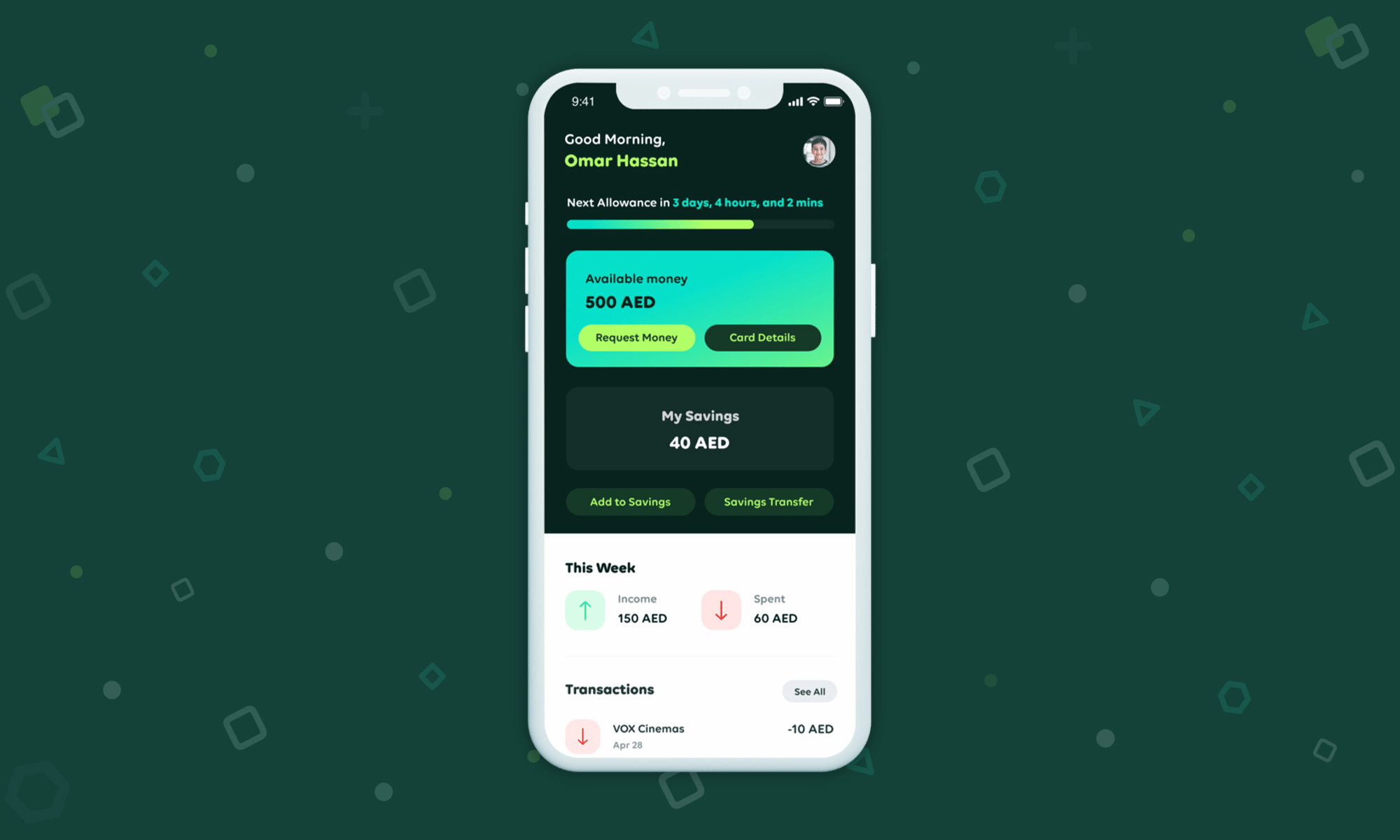
For children and young teens, it can be hard (and not to mention boring!) to get a handle on topics such as budgeting and saving. Money and financial matters aren’t exactly a top priority for youngsters, but they are vital subjects to master in order to be better prepared for adult life.
To that end, UAE-based startup Leap has an ambitious goal of helping young people to make better financial decisions and to improve basic money management skills and literacy. The fintech company has developed an app aimed at young people and their parents, which works to incentivize good budgeting and saving habits.
“Financial literacy is a core life skill that is not readily taught while growing up. Most kids get their first taste of financial responsibility when they go off to college without the oversight and knowledge on managing their money. We’re committed to changing this reality and empowering kids as young as 6 years old to understand, value, and manage their money,” says Ziad Toqan, CEO and Co-founder of Leap.
Parents can transfer a child’s allowance into the app or have funds appear when certain milestones are achieved (such as good school grades). Children using the service will get a prepaid Visa card linked to their Leap account, allowing them to use their balance however they see fit.
Also Read: Egyptian Digital Lending Platform Blnk Raises $32 Million
As well as helping to promote better budgeting and sensible spending, the app also diverts unused funds to a savings account at the end of each week, which Leap hopes will encourage kids to spend less and save more.
The app is available on both Apple and Android devices and is suitable for children between 6 and 18 years of age. Leap is currently focused on the UAE, but has plans to expand into Saudi Arabia and Egypt in the future.



News
Visa’s Return To Syria Starts With A Test And A Bank In Lebanon
Foreign visitors will be the first users to benefit, but whether Syria’s own banks and cardholders follow is still an open question.

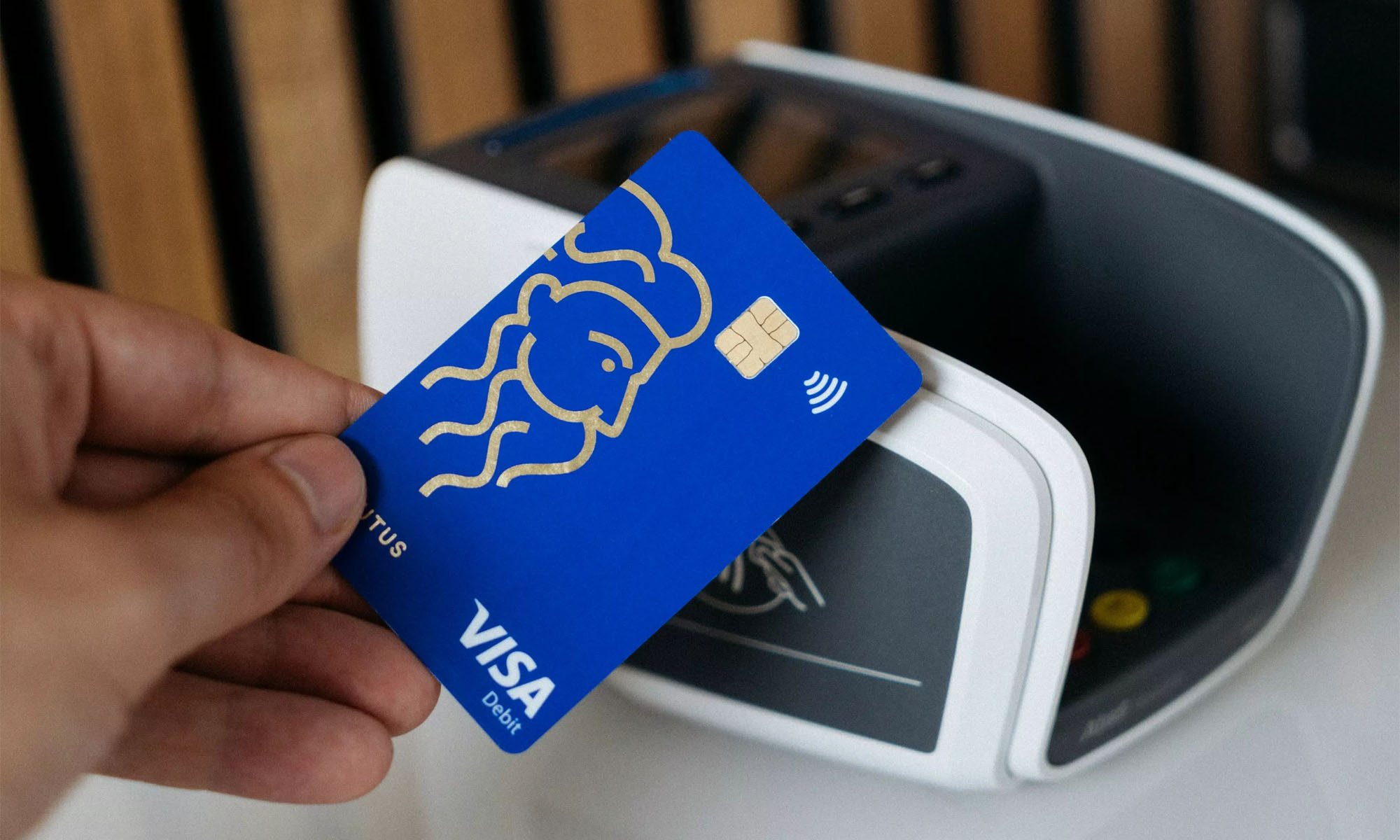
Visa is returning to Syria. Its first live international card transaction in the country was a test rather than a launch, and the milestone event ran through a Lebanese bank.
The acquirer (the bank on the merchant’s side of a card payment) was Fransabank Lebanon, with Paymera as the other named partner. Nadim Moujaes, who heads a Fransabank Group subsidiary, describes the test as both the culmination of “longstanding efforts to link Syria back to international payment networks” and “the first step in a larger path”.
Syrian President Ahmed Al-Sharaa makes the first electronic payment in Syria using a @Visa card at a store in Damascus, following the lifting of US sanctions on Syria. pic.twitter.com/lpAN7nQ6Fc
— Tech Magazine (@TechMGZN) August 27, 2026
“We are excited to have successfully tested live transactions today as we plan to enable international visitors to use their Visa cards while in Syria,” says Leila Serhan, Visa’s senior vice president and group country manager for the North Africa, Levant and Pakistan region. Although a significant first step, that plan doesn’t come with a hard date for when a visitor’s card will work normally.
Mohammed Safwat Raslan, governor of the Central Bank of Syria, says the test paves the way for international card acceptance in Syria and that maintaining strong compliance, risk management and operational controls will remain essential. Serhan likewise stresses that Visa has worked within applicable legal, regulatory and compliance requirements. For a test transaction, it seems there was a great deal of attention paid to the rules, with the entire operation being carefully managed.
Also Read: Lebanon’s 5G Era Begins With 150 Stations And A $1M Budget
The test is the latest step in a sequence that began in December 2025, when Visa announced a strategic roadmap to support Syria’s integration into the global digital economy. In February 2026 it hosted its first industry gathering of banks, ecosystem partners and policymakers in Damascus and, the same month, signed an agreement with Syria’s Ministry of Communications and Information Technology in San Francisco.
Michel Kattouah, Paymera’s CEO, called the test “the return of international card acceptance,” but while that’s positive news, there’s no word yet on when a Syrian bank will issue a Visa card to a Syrian customer.

Visa’s Return To Syria Starts With A Test And A Bank In Lebanon

RØDE’s New DS3 Studio Arm Is Built For Heavier Creator Setups

Dubai Turns AI On Its Own Civil Service To Measure Productivity

Former Rockstar Director Dismisses GTA 6 Leaks As “Nothing Burger”

Qatar Airways Flies The World’s First Starlink-Equipped 787-9

Spotify Will Now Tell You If Your Favorite Artist Isn’t Real

Instagram Redraws Its Wordmark And The Internet Reads “Instagzam”

Anghami’s New Elite Program Starts With A Three-Decade Catalog

Qatar Is Getting Its First EV Plant, Built To Cope With Gulf Heat

Dubai’s aradus Wants AI To Run The Back Office Of Physical Trade


-
 News3 weeks ago
Instagram Redraws Its Wordmark And The Internet Reads “Instagzam”
-
 News3 weeks ago
Anghami’s New Elite Program Starts With A Three-Decade Catalog
-
 News3 weeks ago
Qatar Is Getting Its First EV Plant, Built To Cope With Gulf Heat
-
 News3 weeks ago
Dubai’s aradus Wants AI To Run The Back Office Of Physical Trade