
News
Egyptian Digital Lending Platform Blnk Raises $32 Million
Blnk, an Egyptian fintech startup that enables access to instant consumer credit, has raised millions in equity and debt funding.

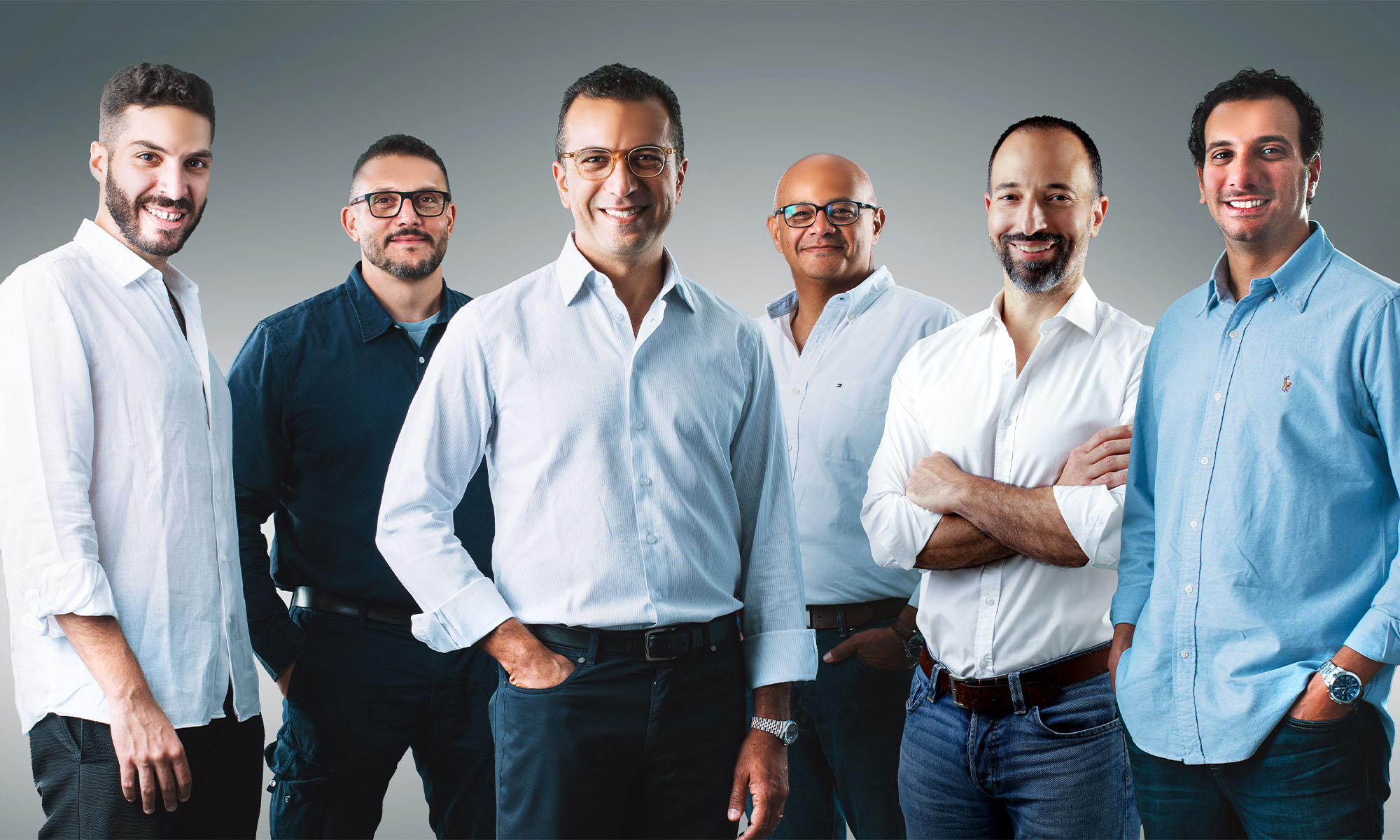
Launched in October 2021 by Amr Sultan and Tarek Elsheikh, Blnk is an Egypt-based digital lending platform that “empowers merchants of all sizes to instantly underwrite and finance their customer’s purchases at the point of sale”. In a recent round of funding, the company managed to raise $23.7 million in equity and a further $8.3 million in securitized bond issuance. The funding will help support the ongoing development of the company’s AI-powered lending platform and aid with future expansion efforts.
For those unfamiliar with Blnk, the company offers credit for a wide range of products and services, with only a national ID required for application and decisions made in as little as 3 minutes. So far, Blnk has handed out over $20 million in loans, with installments ranging from 6 to 36 months.
“Our mission is to make it easier for more Egyptians to purchase the products and services they desire by offering inclusive and convenient consumer credit at the point of sale. We are delighted to have the backing of a great cohort of investors early in our journey. With their support, we believe we can drive financial inclusion in Egypt, as well as the wider Middle East and North Africa region,” says Amr Sultan, Co-founder, and CEO of Blnk.
Also Read: Pyypl Growth To Accelerate After $20 Million Investment
According to the International Monetary Fund (IMF), Egypt is soon expected to become the second-largest economy in the MENA region by the end of this year. However, with only 4% of Egyptians having credit cards, consumers and businesses are unable to take full advantage of economic opportunities, with many finding it difficult to realize their full potential.
By providing inclusive access to financing for consumers across Egypt, Blnk is helping to drive growth and development in the Egyptian economy that would otherwise be difficult.



News
NEOPAY Wants To Follow Merchants Across Channels And Borders
A controlling 65% stake in noon payments would give NEOPAY access to marketplace sellers, online merchants and the payment flows they generate.
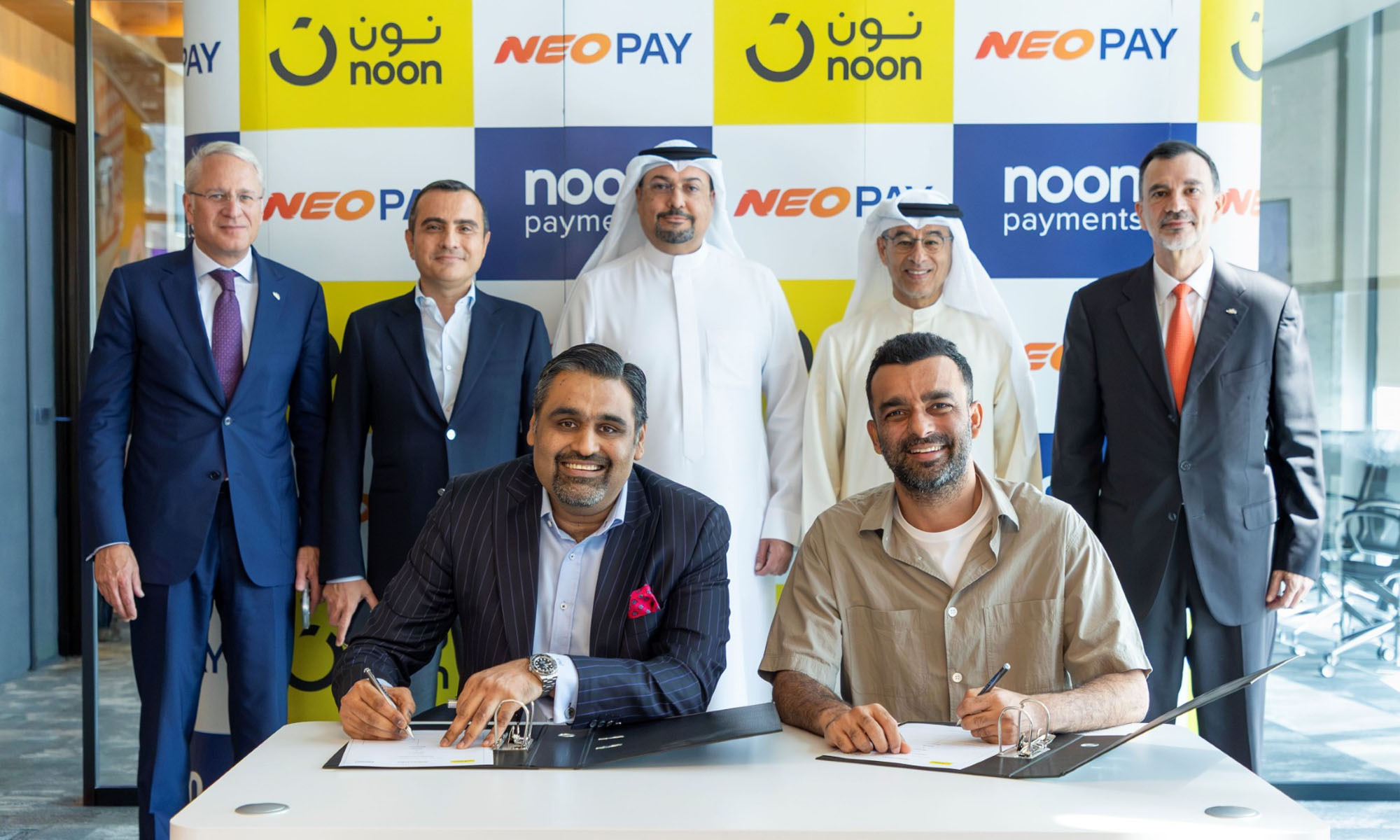
It’s been a long time since checkouts were single defined places. A merchant might take payments at a physical register, on its own website and through an online marketplace, sometimes in more than one country. NEOPAY wants to follow those transactions wherever they happen.
The UAE payments company has entered into an agreement to acquire a 65% controlling stake in noon payments. NEOPAY already runs the acquiring infrastructure that lets merchants accept card payments, along with omnichannel acceptance and a merchant services platform. This new deal would add noon payments’ embedded payments platform, e-commerce gateway and merchant network across the UAE, Saudi Arabia and Egypt. That would considerably expand both NEOPAY’s digital commerce capabilities and its regional reach.
For merchants, the attraction is a single provider for online and in-store payments, plus faster settlements, data and analytics, and value-added financial services.
“Payments should be simple, reliable, and built for the markets they serve,” said Faraz Khalid, CEO of noon. His counterpart at NEOPAY, Vibhor Mundhada, added: “We have built a strong payments business in the UAE, and our ambition is now to take that capability across the region”. The acquisition, Mundhada added, would “expand our footprint into Saudi Arabia and Egypt” while reinforcing NEOPAY’s position at home.
Also Read: In Kuwait, Your Surgeon Might Be Operating From Another Country
NEOPAY is also keen to point out potential payment volume increases. The company says noon payments’ integrations with marketplace sellers and online merchants create high transaction density in some of the region’s fastest-growing digital commerce segments. It also believes control of the business would give it access to those merchant relationships and payment flows, and speed up the rollout of alternative payment methods and installment options.
The combined roadmap targets faster merchant onboarding, better payment performance, tighter fraud controls and embedded financial services. The deal could also strengthen cross-border payments and settlement along key regional commerce corridors.

NEOPAY Wants To Follow Merchants Across Channels And Borders

RØDE’s Low-Profile Studio Arm Is Designed To Stay Out Of Shot

Microsoft Plans $10 Billion-Plus Gulf Expansion Despite Iran Conflict

In Kuwait, Your Surgeon Might Be Operating From Another Country

Qatar Folds 45 State Companies Into A Single Investment Platform

Trip.com Is Betting An AI Agent Will Book Your Next Vacation

Apple’s First Folding iPhone Arrives Late To A Shrinking Market

Egypt’s Mobile Wallets Are Booming, But Cash Still Has Power

Musk’s Boring Company Wants To Dig 150 KM Of Tunnel Under The UAE

OKX Bets Streaming Perks Can Take Crypto Mainstream Across MENA


-
 News3 weeks ago
Trip.com Is Betting An AI Agent Will Book Your Next Vacation
-
 News3 weeks ago
Egypt’s Mobile Wallets Are Booming, But Cash Still Has Power
-
 News3 weeks ago
Musk’s Boring Company Wants To Dig 150 KM Of Tunnel Under The UAE
-
 News3 weeks ago
OKX Bets Streaming Perks Can Take Crypto Mainstream Across MENA