
News
RemotePass Secures $5.5M Series A Funding, Led By 212VC
The company will use the funds to drive market expansion, improve its already award-winning app, and unlock a new phase of product innovation.

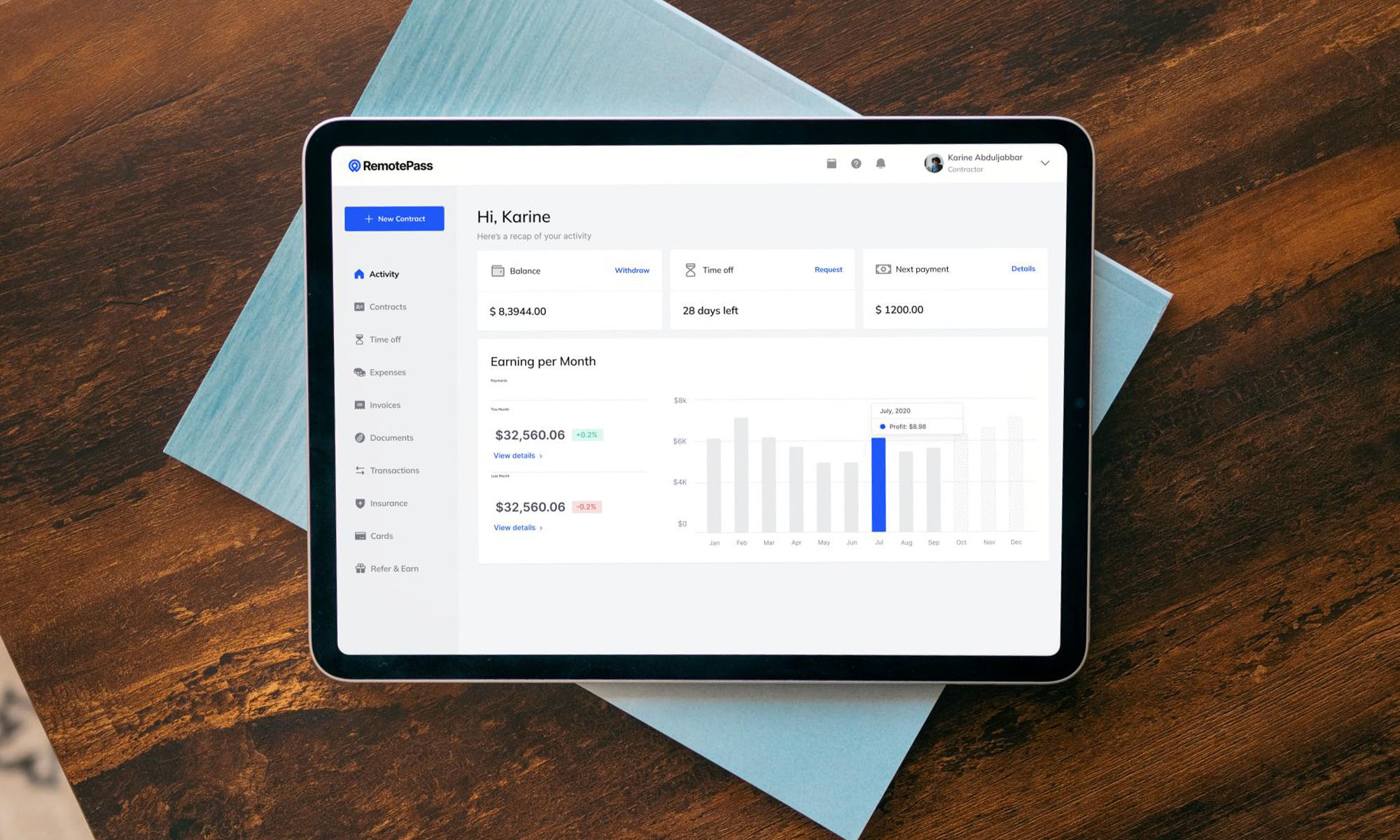
RemotePass, a platform aiding companies in remote workforce management, has acquired $5.5 million in a recent Series A funding round.
The round was spearheaded by 212 VC, with contributors from the US, Europe, and the Middle East, such as Endeavor Catalyst, Oraseya Capital, Khwarizmi Ventures, Flyer One Ventures, Access Bridge Ventures, A15, and Swiss Founders Fund. With the cash injection, RemotePass’s total raised funds now exceed $10 million, adding to previous investments from BECO Capital, Wamda Capital, Plug & Play, and Flat6Labs.
“Witnessing RemotePass’s remarkable product growth and stellar customer service since early 2023 solidified our belief in their visionary team & business model [which] positions them as game-changers in the UAE & KSA, hubs poised for global dominance,” said Ali Hikmet Karabey, Managing Director for lead investor 212 VC.
Established by Kamal Reggad and Karim Nadi, RemotePass caters to various sectors and clients, ranging from startups to major corporations like Spotify, Logitech, and Paymentology. The platform facilitates onboarding, management, and workforce payment in countries where companies lack local legal representation. RemotePass also allows the hiring of full-time employees and contractors across 150+ nations.
“Our platform helps democratize access to global opportunities, leveling the playing field for skilled individuals and enabling them to compete in a global job marketplace. This funding fuels our mission to empower countless lives and help global teams succeed,” explained Kamal Reggad, CEO and Co-Founder of RemotePass.
Also Read: Top 10 Best Freelance Platforms In The Middle East
Amidst the evolving global remote work trend, RemotePass has positioned itself as a leader, notably making significant gains in the MENA region. The platform is accompanied by a comprehensive “super app” delivering financial services and tailored benefits for remote workers, including varied payout options, a USD debit card, and access to premium health insurance.
Initially conceived in 2019 as a SaaS platform for business travel, RemotePass’s founders, being remote work advocates, transitioned to address the challenges of remote team management, particularly in emerging markets. The pivot, catalyzed by the COVID-19 pandemic, enabled substantial growth for the company, with a remarkable 35% month-over-month increase in the first two years, predominantly propelled by client referrals.



News
Microsoft Plans $10 Billion-Plus Gulf Expansion Despite Iran Conflict
Security is shaping Microsoft’s approach, from resilience work with governments to what it will say about how the money splits by country.
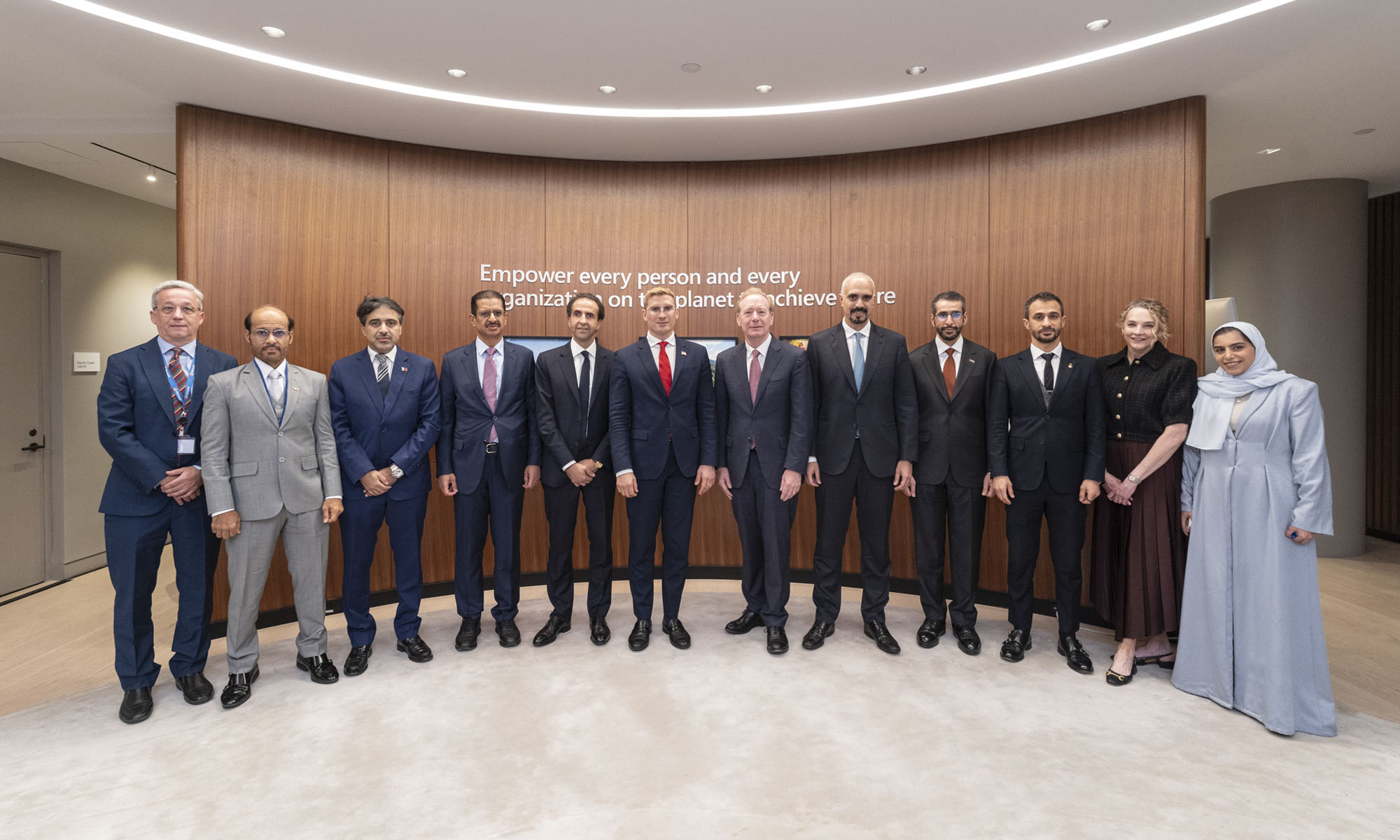
Microsoft is planning more than $10 billion of investment across the UAE, Saudi Arabia, Qatar and Kuwait through 2030, Vice Chair and President Brad Smith told Reuters, calling the spending schedule aggressive. The Iranian conflict that began on February 28 has not persuaded the company to scale back.
“We’re sustaining all the investments we planned to make before this conflict started, and we are in fact adding to them,” Smith said. The $10 billion-plus total does not, however, show how large those additions are.
The investment, which Smith described as part of Microsoft’s continued infrastructure expansion, is aimed at cloud and AI infrastructure and at the company’s growing regional operations. Microsoft also intends to put more than $400 million into subsea and terrestrial connectivity across the Middle East by 2030.
The spending fits the region’s own ambitions too. Gulf governments have been investing heavily in AI infrastructure as part of a push to diversify their economies beyond oil and gas and turn themselves into global technology hubs. Major cloud and AI providers have been drawn in part by the land and relatively low-cost energy on offer.
Microsoft is widening its partnerships with regional AI companies, though not on identical terms. In 2024, it invested $1.5 billion in Abu Dhabi-based G42 for a minority stake, and Smith currently sits on G42’s board. Saudi Arabia’s Humain and Qatar’s Qai are working with Microsoft on selected priority areas, but Smith said the company does not plan to make capital investments in either.
Also Read: Egypt’s Mobile Wallets Are Booming, But Cash Still Has Power
The conflict has added another strand to Microsoft’s work in the region. Since it began, Smith said, the company has supported regional partners with digital resilience assessments, and it is now working with Gulf countries through a digital resilience initiative focused on preparedness and the protection of critical data.
So far, the company has given no country-by-country breakdown of the investment, citing security among other factors. So while the headline figure is public, how Microsoft divides the spending among the four countries is not.

Microsoft Plans $10 Billion-Plus Gulf Expansion Despite Iran Conflict

In Kuwait, Your Surgeon Might Be Operating From Another Country

Qatar Folds 45 State Companies Into A Single Investment Platform

Trip.com Is Betting An AI Agent Will Book Your Next Vacation

Meta’s New $499 Plan Puts A Price On Reaching A Real Person

Apple’s First Folding iPhone Arrives Late To A Shrinking Market
Trip.com Is Betting An AI Agent Will Book Your Next Vacation

Egypt’s Mobile Wallets Are Booming, But Cash Still Has Power

OKX Bets Streaming Perks Can Take Crypto Mainstream Across MENA

Musk’s Boring Company Wants To Dig 150 KM Of Tunnel Under The UAE


-
 News3 weeks ago
Apple’s First Folding iPhone Arrives Late To A Shrinking Market
-
 News2 weeks ago
Trip.com Is Betting An AI Agent Will Book Your Next Vacation
-
 News2 weeks ago
Egypt’s Mobile Wallets Are Booming, But Cash Still Has Power
-
 News2 weeks ago
OKX Bets Streaming Perks Can Take Crypto Mainstream Across MENA