
News
UAE Issues Google Chrome And Apple Security Warning
Users are advised to update their software to the latest versions to avoid high-risk vulnerabilities.

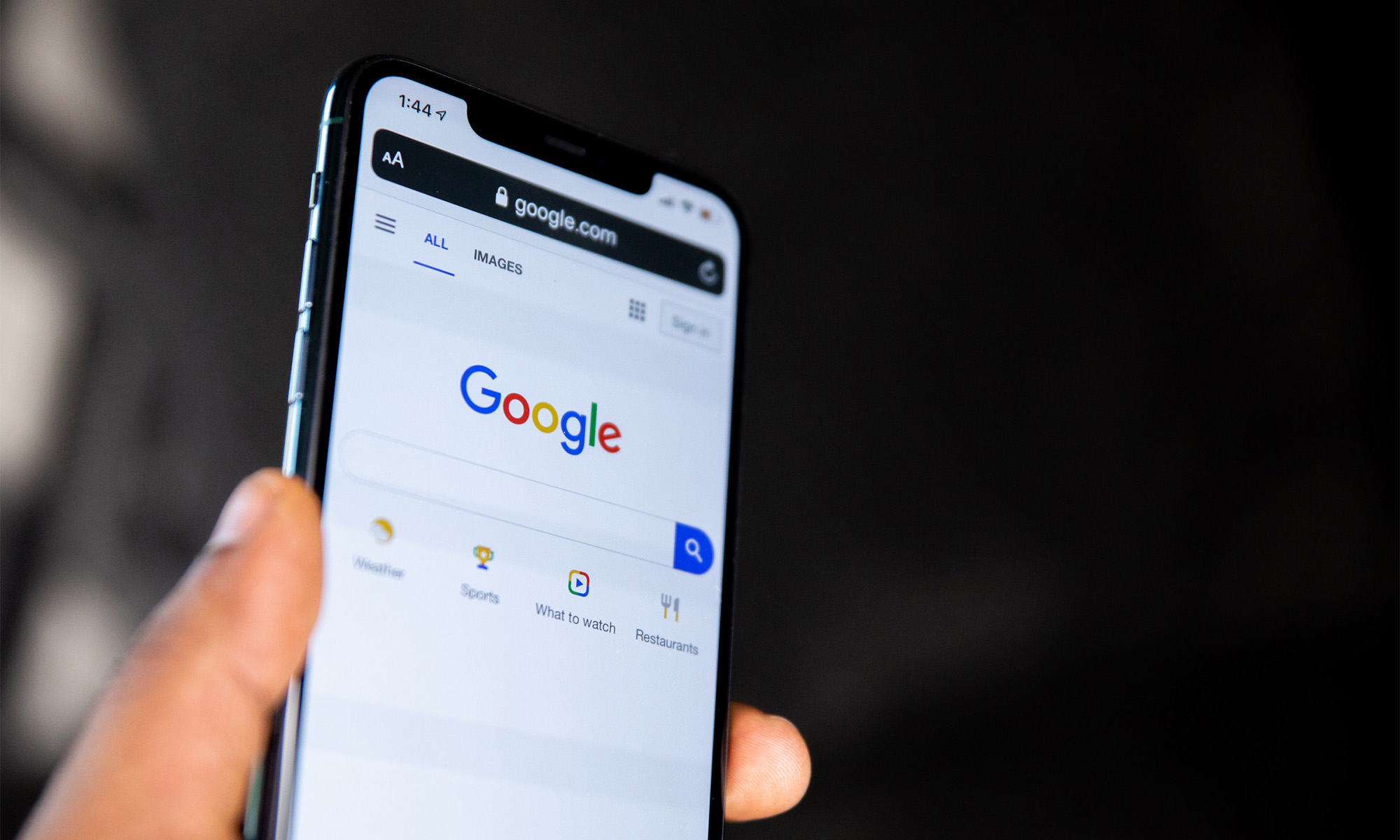
The UAE’s Cyber Security Council has issued a “critical security warning” of high-risk vulnerabilities found in Google Chrome and several Apple products, urging users to take immediate action to ensure their devices are safe.
The vulnerabilities found in Google’s Chrome browser could allow “malicious actors” to execute harmful code on users’ systems, the council explained on Saturday in a post on X, formerly Twitter.
🚫 Important Security Alert 🚫
The Cyber Security Council of the UAE government has issued a critical warning regarding high-risk vulnerabilities in the Google Chrome browser. These vulnerabilities could potentially allow malicious actors to execute harmful code on your operating… pic.twitter.com/2Jm5rLAtpC— Cyber Security Council (@cscgovae) October 28, 2023
“We strongly advise all users to promptly update their Chrome browsers to the latest version to safeguard against any potential threats,” the government organization said.
With around 3.3 billion users, Google Chrome is the world’s most-used web browser. The browser has about 65% of the market share and is installed on PCs, smartphones, tablets, and more.
The Cyber Security Council also warned of several Apple-specific vulnerabilities that span desktop and mobile operating systems, as well as in the Safari browser, Apple Watch, and even the Apple TV’s tvOS.
“We strongly recommend all users to update their systems and software immediately to mitigate potential threats,” the Cyber Security Council said, amidst fears that hackers could exploit the security flaws to gain control of user’s devices.
Also Read: The Largest Data Breaches In The Middle East
Established in 2020, the UAE Cyber Security Council is responsible for legislation to strengthen cyber security after a recent surge in digital attacks.
The UAE also recently announced plans to develop a cyber security vision to strengthen action against digital crime over the next 50 years. The move will give the Emirate “the highest level of resilience” and boost its ability to “address growing digital challenges”, said Dr. Mohammed Al Kuwaiti, head of the UAE Cybersecurity Council at the time of the announcement.
“As the UAE looks forward to its centennial in 2071, we had an opportunity to pause, examine how the world might evolve, and how we can use technology to optimize outcomes for humanity,” he said.




News
Microsoft Plans $10 Billion-Plus Gulf Expansion Despite Iran Conflict
Security is shaping Microsoft’s approach, from resilience work with governments to what it will say about how the money splits by country.
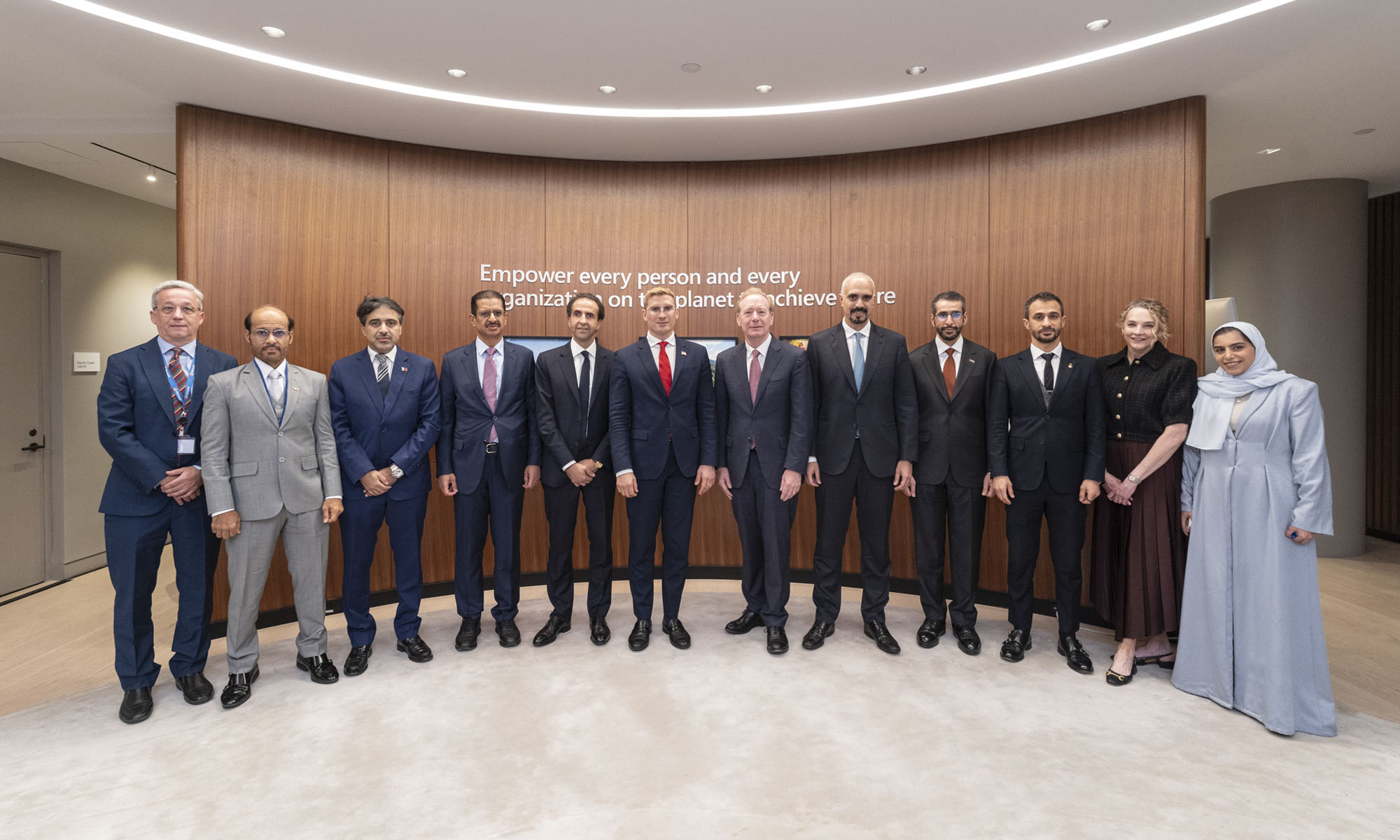
Microsoft is planning more than $10 billion of investment across the UAE, Saudi Arabia, Qatar and Kuwait through 2030, Vice Chair and President Brad Smith told Reuters, calling the spending schedule aggressive. The Iranian conflict that began on February 28 has not persuaded the company to scale back.
“We’re sustaining all the investments we planned to make before this conflict started, and we are in fact adding to them,” Smith said. The $10 billion-plus total does not, however, show how large those additions are.
The investment, which Smith described as part of Microsoft’s continued infrastructure expansion, is aimed at cloud and AI infrastructure and at the company’s growing regional operations. Microsoft also intends to put more than $400 million into subsea and terrestrial connectivity across the Middle East by 2030.
The spending fits the region’s own ambitions too. Gulf governments have been investing heavily in AI infrastructure as part of a push to diversify their economies beyond oil and gas and turn themselves into global technology hubs. Major cloud and AI providers have been drawn in part by the land and relatively low-cost energy on offer.
Microsoft is widening its partnerships with regional AI companies, though not on identical terms. In 2024, it invested $1.5 billion in Abu Dhabi-based G42 for a minority stake, and Smith currently sits on G42’s board. Saudi Arabia’s Humain and Qatar’s Qai are working with Microsoft on selected priority areas, but Smith said the company does not plan to make capital investments in either.
Also Read: Egypt’s Mobile Wallets Are Booming, But Cash Still Has Power
The conflict has added another strand to Microsoft’s work in the region. Since it began, Smith said, the company has supported regional partners with digital resilience assessments, and it is now working with Gulf countries through a digital resilience initiative focused on preparedness and the protection of critical data.
So far, the company has given no country-by-country breakdown of the investment, citing security among other factors. So while the headline figure is public, how Microsoft divides the spending among the four countries is not.

Microsoft Plans $10 Billion-Plus Gulf Expansion Despite Iran Conflict

In Kuwait, Your Surgeon Might Be Operating From Another Country

Qatar Folds 45 State Companies Into A Single Investment Platform

Trip.com Is Betting An AI Agent Will Book Your Next Vacation

Meta’s New $499 Plan Puts A Price On Reaching A Real Person

Apple’s First Folding iPhone Arrives Late To A Shrinking Market
Trip.com Is Betting An AI Agent Will Book Your Next Vacation

Egypt’s Mobile Wallets Are Booming, But Cash Still Has Power

OKX Bets Streaming Perks Can Take Crypto Mainstream Across MENA

Apple’s Latest Product Releases Make The Headlines


-
 News3 weeks ago
Apple’s First Folding iPhone Arrives Late To A Shrinking Market
-
 News2 weeks ago
Trip.com Is Betting An AI Agent Will Book Your Next Vacation
-
 News2 weeks ago
Egypt’s Mobile Wallets Are Booming, But Cash Still Has Power
-
 News2 weeks ago
OKX Bets Streaming Perks Can Take Crypto Mainstream Across MENA