
News
What To Expect At Apple’s Upcoming “Wonderlust” Event
Tuesday’s big event will include a new range of iPhones, Apple Watches, and more.

Even though we’re all pretty used to Apple’s yearly iPhone reveals, it’s hard not to get excited when the Cupertino company drops the date for its annual fall press conference.
This year, the September 12 event will be known as “Wonderlust” and will herald the arrival of the latest iPhone 15 series, comprising the iPhone 15, iPhone 15 Plus, iPhone 15 Pro and iPhone 15 Pro Max. Along with new smartphones, the electronics giant may announce a slew of other products, though pundits are reasonably confident that we can only expect minor Apple Watch and Airpod upgrades.
Here’s what we know so far:
iPhone 15 Models
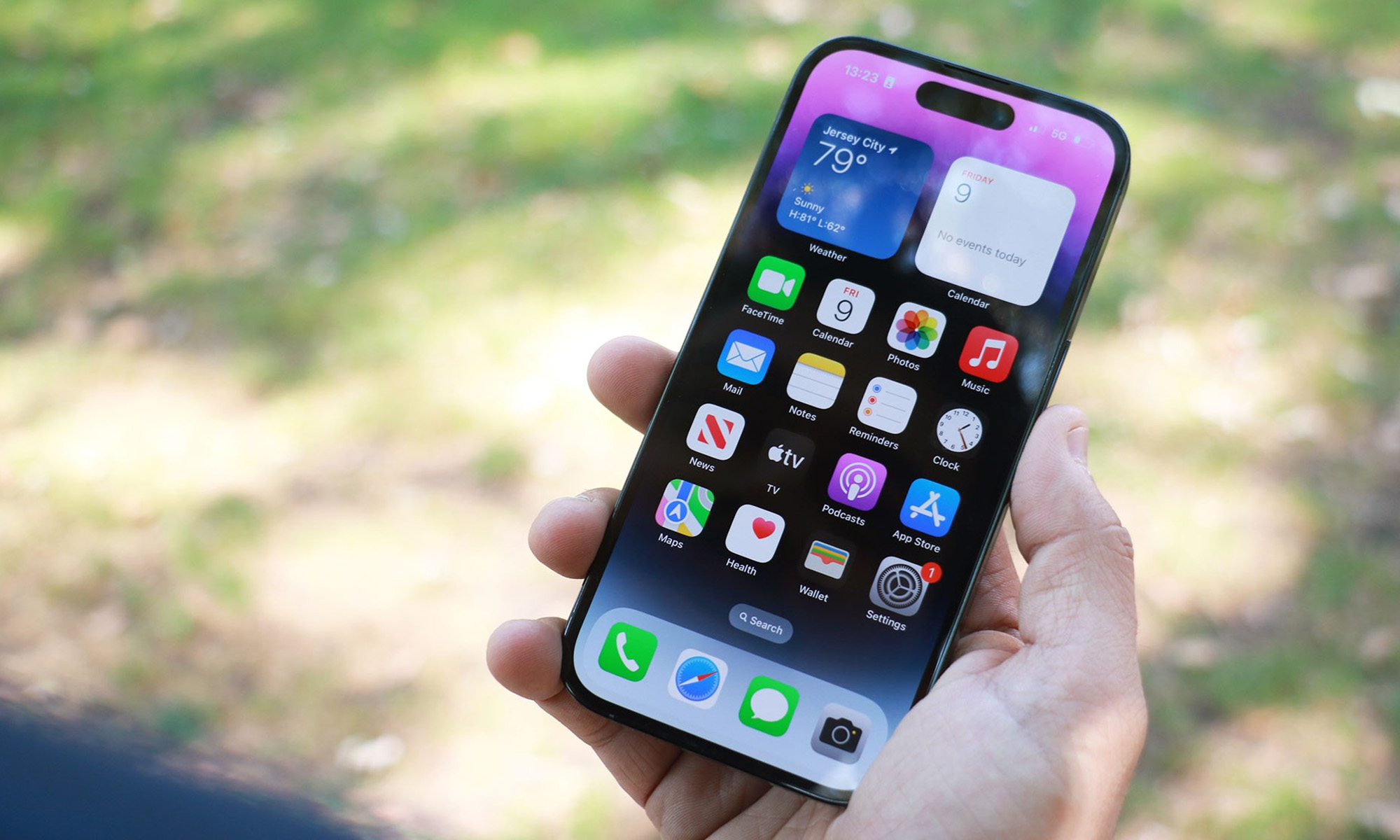
The biggest news about this year’s iPhone 15 upgrade is that all models will likely lose their Lightning Connectors in place of USB-C. Apple will almost certainly tout the benefits of the industry-standard connector, but the reality is that the European Union has forced the company to comply with its legislation on electronic waste.
Renowned Apple analyst Ming-Chi Kuo predicts that only the higher-end Pro models will get the faster USB-C data transfer speeds and 35W charging, with “lesser” models throttled to USB 2.0 levels.
Meanwhile, the screen sizes of the various devices will likely remain the same as last year’s models. That means a 6.1-inch screen for the iPhone 15 and 15 Pro and 6.7-inch displays for the iPhone 15 Plus and iPhone 15 Pro Max (which may be renamed “Ultra”). ProMotion 120Hz variable refresh rates will almost certainly remain exclusive to the high-end models.
Dynamic Island — the display cutout that premiered on the iPhone 14 Pro models — is expected to carry over to all handsets for the iPhone 15. However, Pro models could receive a premium upgrade in the form of a titanium chassis with thinner screen bezels.
We’ve also seen leaks of dummy iPhone 15 handsets in the last few days. These replicas are used by case manufacturers to produce products of the correct size before the launch of the real thing. So far, journalists have noticed rounded corners that give an “Apple Watch look” to the iPhone 15. Meanwhile, Pro models also look like they will benefit from a programmable Apple-watch-esq “Action Button” that will replace the mute switch.
Regarding camera upgrades, we expect iterative changes to this year’s phones. However, many experts believe that the iPhone 15 Pro Max (or Ultra) will sport a brand-new periscope lens with an optical zoom that doubles the capability of the existing model.
Apple Watch Series 9, Apple Watch Ultra And AirPods
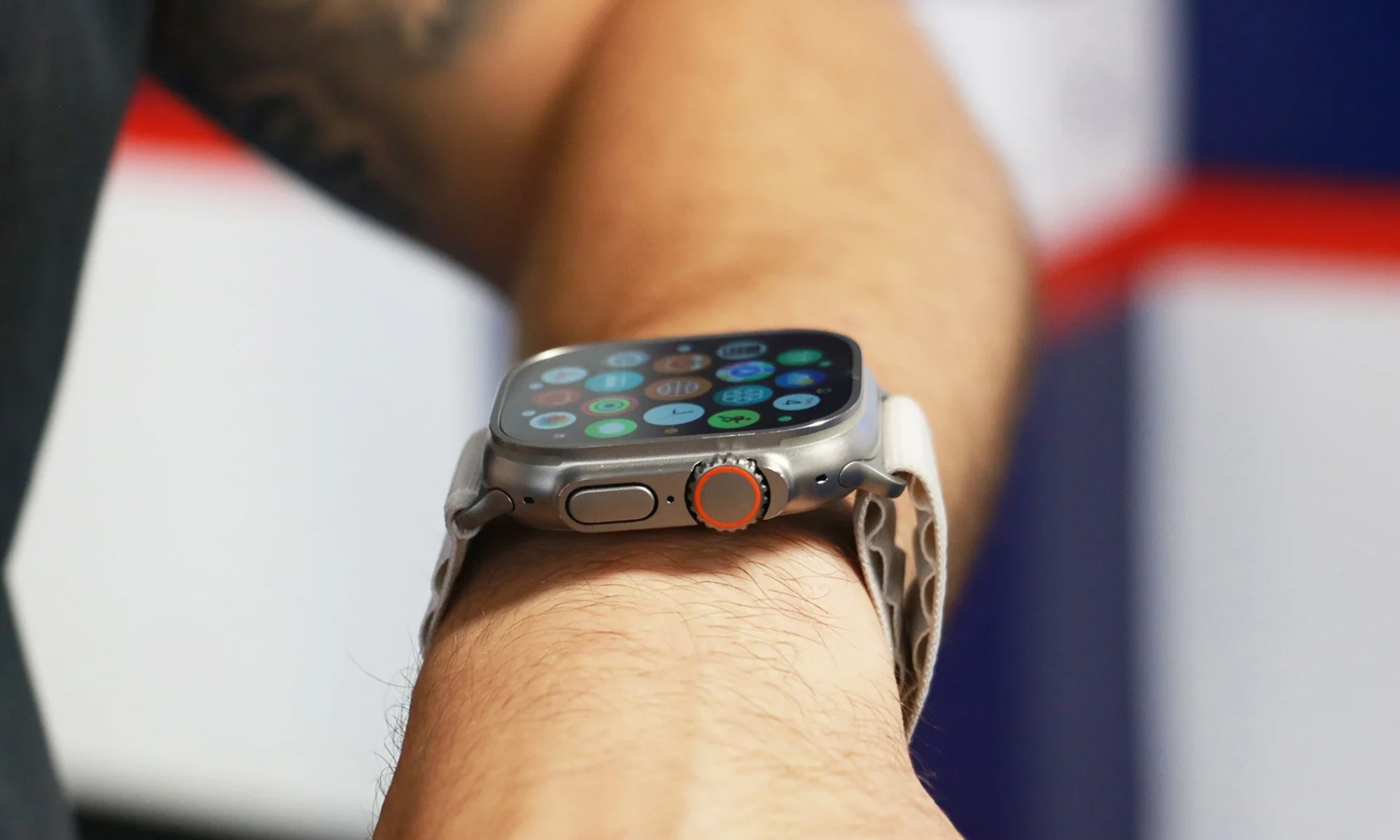
As for the rest of Apple’s lineup, we’re expecting only minor updates. It’s doubtful we’ll see new iPads or Macs, but Apple Watches will likely receive a slight processor and feature spec bump, while Airpods may be upgraded to USB-C to match the new iPhones.
Software Updates
One final thing worth sticking around for will be Apple’s software announcement. We expect to hear details of iOS 17, WatchOS 10 and perhaps even iPadOS 17.
iOS 17 will include a new StandBy mode, voicemail transcriptions, FaceTime video voicemails, contact posters, NameDrop and more. WatchOS 10 will see a more significant update with big changes to the control scheme and a customizable stack of easy-to-view widgets.



News
Microsoft Plans $10 Billion-Plus Gulf Expansion Despite Iran Conflict
Security is shaping Microsoft’s approach, from resilience work with governments to what it will say about how the money splits by country.
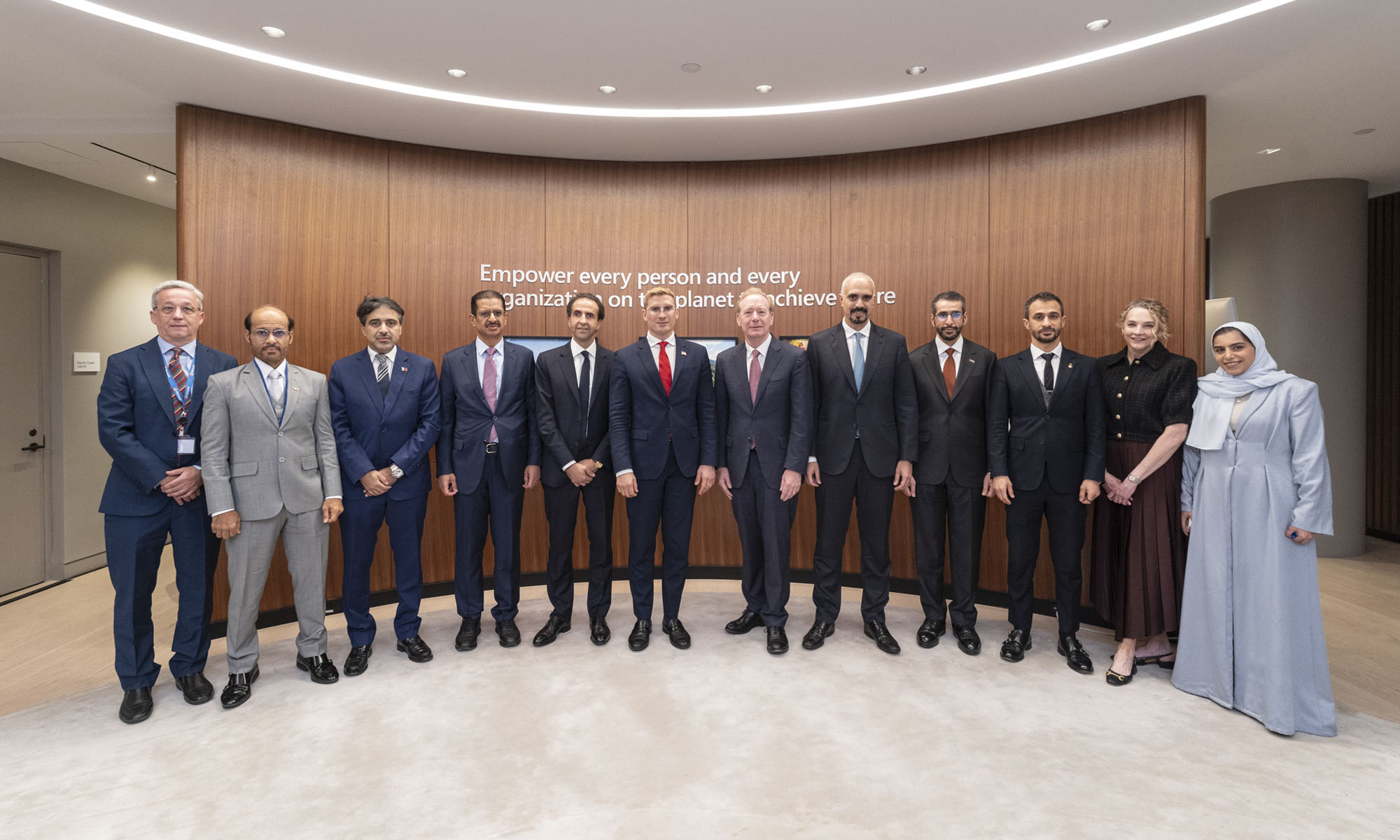
Microsoft is planning more than $10 billion of investment across the UAE, Saudi Arabia, Qatar and Kuwait through 2030, Vice Chair and President Brad Smith told Reuters, calling the spending schedule aggressive. The Iranian conflict that began on February 28 has not persuaded the company to scale back.
“We’re sustaining all the investments we planned to make before this conflict started, and we are in fact adding to them,” Smith said. The $10 billion-plus total does not, however, show how large those additions are.
The investment, which Smith described as part of Microsoft’s continued infrastructure expansion, is aimed at cloud and AI infrastructure and at the company’s growing regional operations. Microsoft also intends to put more than $400 million into subsea and terrestrial connectivity across the Middle East by 2030.
The spending fits the region’s own ambitions too. Gulf governments have been investing heavily in AI infrastructure as part of a push to diversify their economies beyond oil and gas and turn themselves into global technology hubs. Major cloud and AI providers have been drawn in part by the land and relatively low-cost energy on offer.
Microsoft is widening its partnerships with regional AI companies, though not on identical terms. In 2024, it invested $1.5 billion in Abu Dhabi-based G42 for a minority stake, and Smith currently sits on G42’s board. Saudi Arabia’s Humain and Qatar’s Qai are working with Microsoft on selected priority areas, but Smith said the company does not plan to make capital investments in either.
Also Read: Egypt’s Mobile Wallets Are Booming, But Cash Still Has Power
The conflict has added another strand to Microsoft’s work in the region. Since it began, Smith said, the company has supported regional partners with digital resilience assessments, and it is now working with Gulf countries through a digital resilience initiative focused on preparedness and the protection of critical data.
So far, the company has given no country-by-country breakdown of the investment, citing security among other factors. So while the headline figure is public, how Microsoft divides the spending among the four countries is not.

Microsoft Plans $10 Billion-Plus Gulf Expansion Despite Iran Conflict

In Kuwait, Your Surgeon Might Be Operating From Another Country

Qatar Folds 45 State Companies Into A Single Investment Platform

Trip.com Is Betting An AI Agent Will Book Your Next Vacation

Meta’s New $499 Plan Puts A Price On Reaching A Real Person

Apple’s First Folding iPhone Arrives Late To A Shrinking Market
Trip.com Is Betting An AI Agent Will Book Your Next Vacation

Egypt’s Mobile Wallets Are Booming, But Cash Still Has Power

OKX Bets Streaming Perks Can Take Crypto Mainstream Across MENA

Musk’s Boring Company Wants To Dig 150 KM Of Tunnel Under The UAE


-
 News3 weeks ago
Apple’s First Folding iPhone Arrives Late To A Shrinking Market
-
 News2 weeks ago
Trip.com Is Betting An AI Agent Will Book Your Next Vacation
-
 News2 weeks ago
Egypt’s Mobile Wallets Are Booming, But Cash Still Has Power
-
 News2 weeks ago
OKX Bets Streaming Perks Can Take Crypto Mainstream Across MENA