
News
Instagram Sets Sights On Linktree With ‘Links In Bio’ Feature
The highly-requested update was announced by the face of Meta, Mark Zuckerberg, via his broadcast channel.

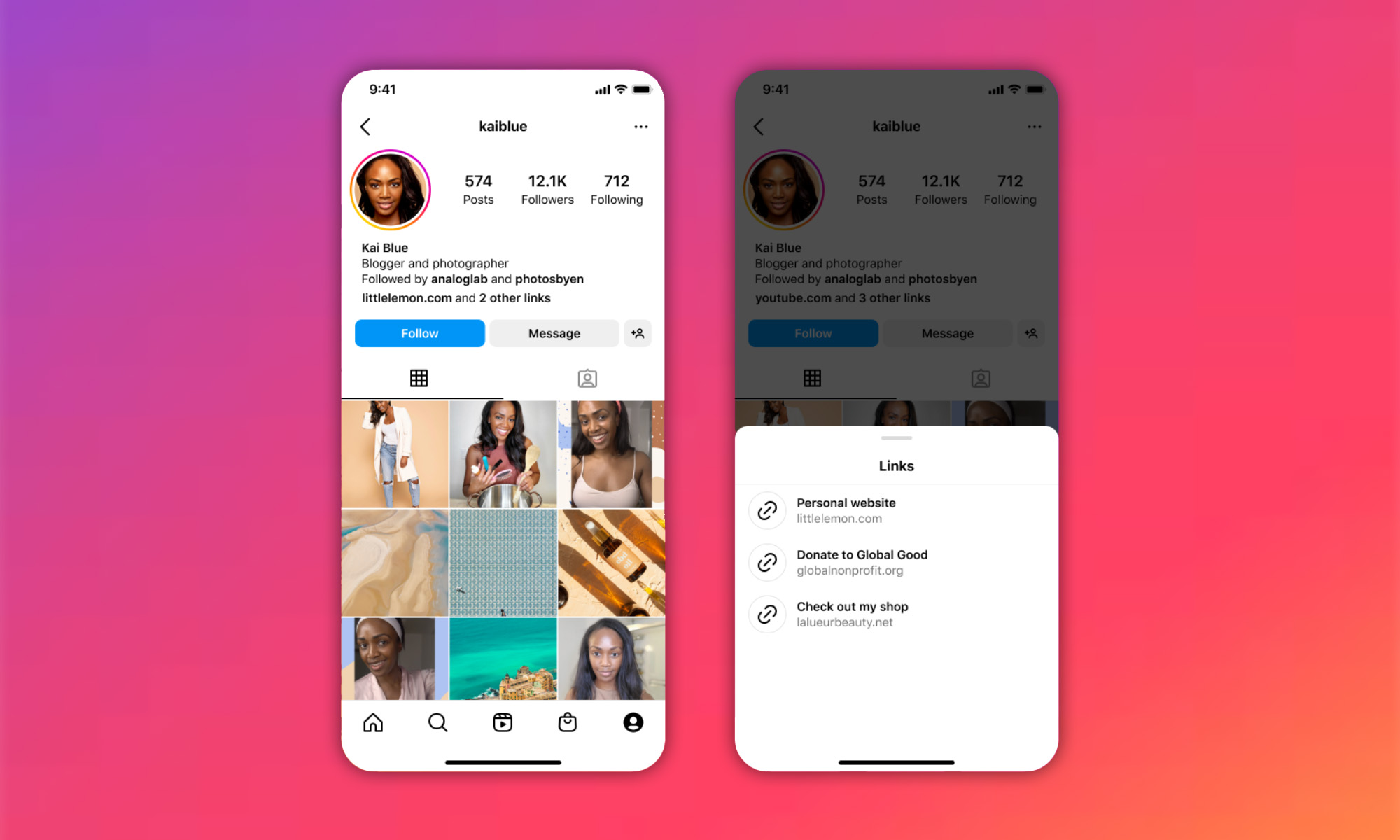
Today, Instagram is rolling out a new site-wide feature for adding external links to user profiles. The system works the same way as Linktree and is seen as a direct challenge to the service, as well as the likes of Beacons and other “link in bio” providers.
Meta announced that users can now add up to five links to their Instagram profile bios, directing followers to any external content they like, including online businesses, promoted brands, causes they care about, or even profiles on competing social media platforms.
Services like Linktree came into existence mainly because many social media companies used to prevent users from adding external links to other sites over fears they would be helping to direct traffic to content outside their platforms.
In the current climate, Instagram likely sees expanded access to links as a competitive advantage, potentially luring creators back to its app from the likes of TikTok.
Using The Feature
To use the feature, users need to tap the “Edit profile” icon, followed by “Links”, then “Add external link.” After adding a URL, it’s possible to drag and drop links in the order that users want them to appear.
Also Read: Twitter Verification Costs More For Middle Eastern Firms
As well as allowing links to external websites, Instagram also lets users link to their Facebook profile via a dedicated option. This official Meta link has a more professional appearance, complete with a Facebook icon and text description label.
Functionality
Instagram’s bio links don’t open in a separate browser window but stay inside the Instagram app. If users want to move to their built-in browsers, they must tap the three-dot menu at the top of the page and hit “open in system browser”.
The highly-requested new Instagram feature was announced by Mark Zuckerberg on his broadcast channel — itself a relatively new feature that we reported on recently, allowing creators to send messages to their entire fanbase.







News
Egypt’s Mobile Wallets Are Booming, But Cash Still Has Power
Egypt’s telecom regulator says $57.6 billion moved through more than 57 million wallets in six months. And one operator handled 77% of the value.
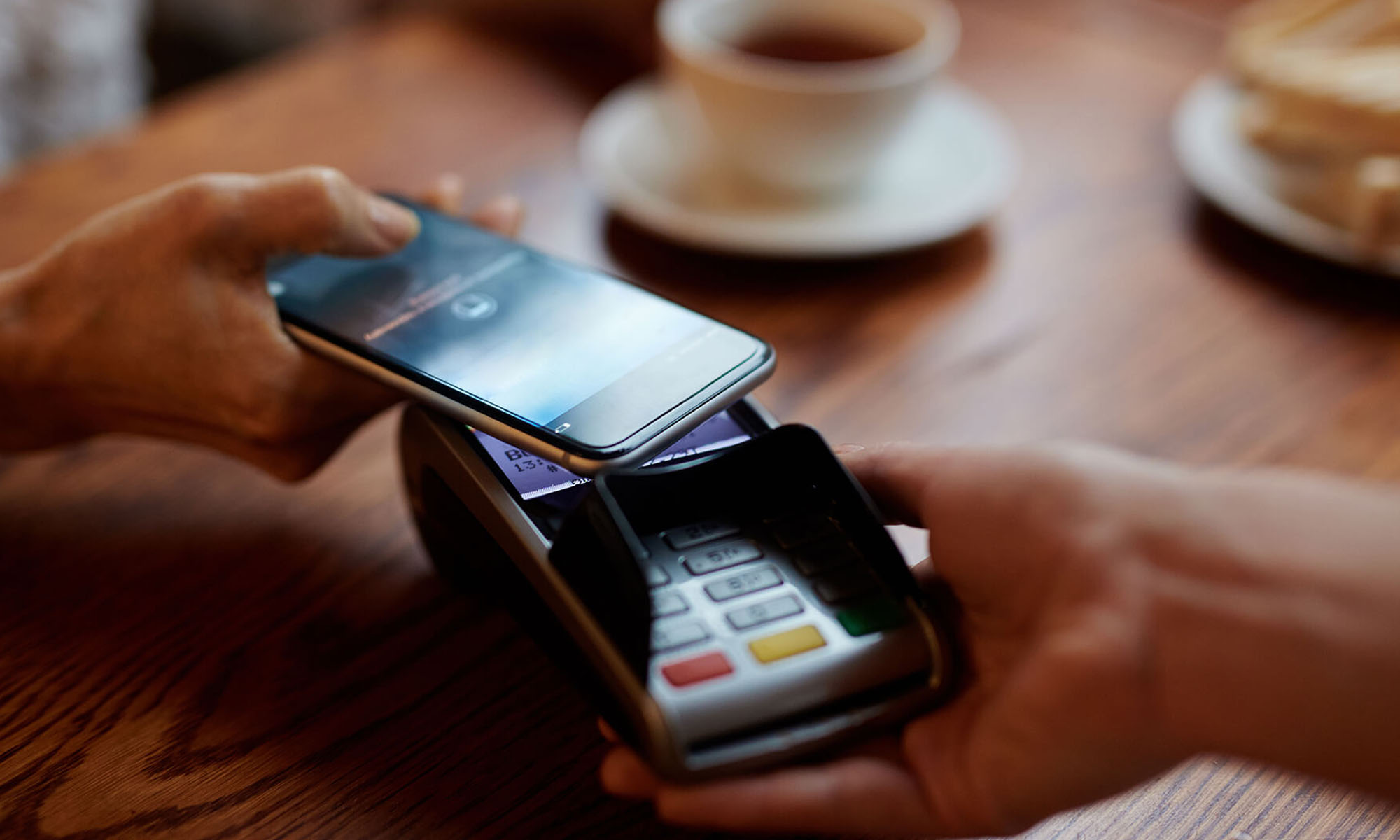
Egypt’s mobile wallets handled EGP 2.96 trillion ($57.6 billion) in transactions in the first half of 2026, according to the National Telecom Regulatory Authority – a 56% rise on the EGP 1.90 trillion ($36.9 billion) recorded a year earlier. Transactions grew faster still, up 62% to 2.22 billion, while registered wallets climbed 23% to 57.01 million.
On one reading, that is exactly what Egypt’s regulators have been pushing for: a payments system that runs through telecom-linked wallets rather than banknotes. But the same data shows how far cash still reaches into it. Cash withdrawals made up just 12% of the transactions taking money out of wallets, yet 75% of the value withdrawn or spent.
Money arrives mostly from bank accounts: transfers through InstaPay accounted for 78% of deposit transactions and 58% of the value deposited, while incoming remittances from abroad made up 3% of deposit transactions but 10% of their value. Once inside, it largely moves between wallets – wallet-to-wallet transfers accounted for 54% of all transactions and 67% of total value, with mobile and internet top-ups a distant second at 25% of volume. In effect, the wallet is serving as a transfer layer: the place money passes through between the bank account and the banknote.
That layer also runs predominantly through one operator. Vodafone Cash held 53% of registered wallets and 57% of active ones, but handled 69% of transactions and 77% of their value. Its nearest rival, e& money, held 23% of registered wallets but 14% of transaction value; Orange Cash 20% and 8%; WE Pay 4% of wallets. How many of the 57.01 million are active is not stated.
Also Read: Visa’s Return To Syria Starts With A Test And A Bank In Lebanon
Adoption is rather uneven in other respects. Men held 38 million wallets, or 67% of the total, against 19 million held by women. Users aged 26 to 45 accounted for half of all wallets, and Cairo alone had 10.6 million, or 19% of the national total, with Giza next at 6.5 million.
The NTRA says it is continuing to work with telecom operators on the regulatory framework for wallet services, part of a wider effort to expand electronic payments and financial inclusion. Its own figures show that effort succeeding on the way in. On the way out, three-quarters of the value still leaves as cash.

Egypt’s Mobile Wallets Are Booming, But Cash Still Has Power

Apple’s First Folding iPhone Arrives Late To A Shrinking Market

Apple’s Latest Product Releases Make The Headlines

Visa’s Return To Syria Starts With A Test And A Bank In Lebanon

RØDE’s New DS3 Studio Arm Is Built For Heavier Creator Setups

Anghami’s New Elite Program Starts With A Three-Decade Catalog

Dubai’s aradus Wants AI To Run The Back Office Of Physical Trade

Qatar Is Getting Its First EV Plant, Built To Cope With Gulf Heat

Qatar Airways Flies The World’s First Starlink-Equipped 787-9

Former Rockstar Director Dismisses GTA 6 Leaks As “Nothing Burger”


-
 News3 weeks ago
Former Rockstar Director Dismisses GTA 6 Leaks As “Nothing Burger”
-
 News3 weeks ago
RØDE’s New DS3 Studio Arm Is Built For Heavier Creator Setups
-

 News3 weeks ago
Dubai Turns AI On Its Own Civil Service To Measure Productivity
-
 News3 weeks ago
Visa’s Return To Syria Starts With A Test And A Bank In Lebanon