
News
eVTOL X2 Flying Car Debuted At GITEX GLOBAL 2022
Electric flying cars have been tried before, but the 90 minute eVTOL X2 test flight conducted by the Dubai International Chamber proves that the concept can work.

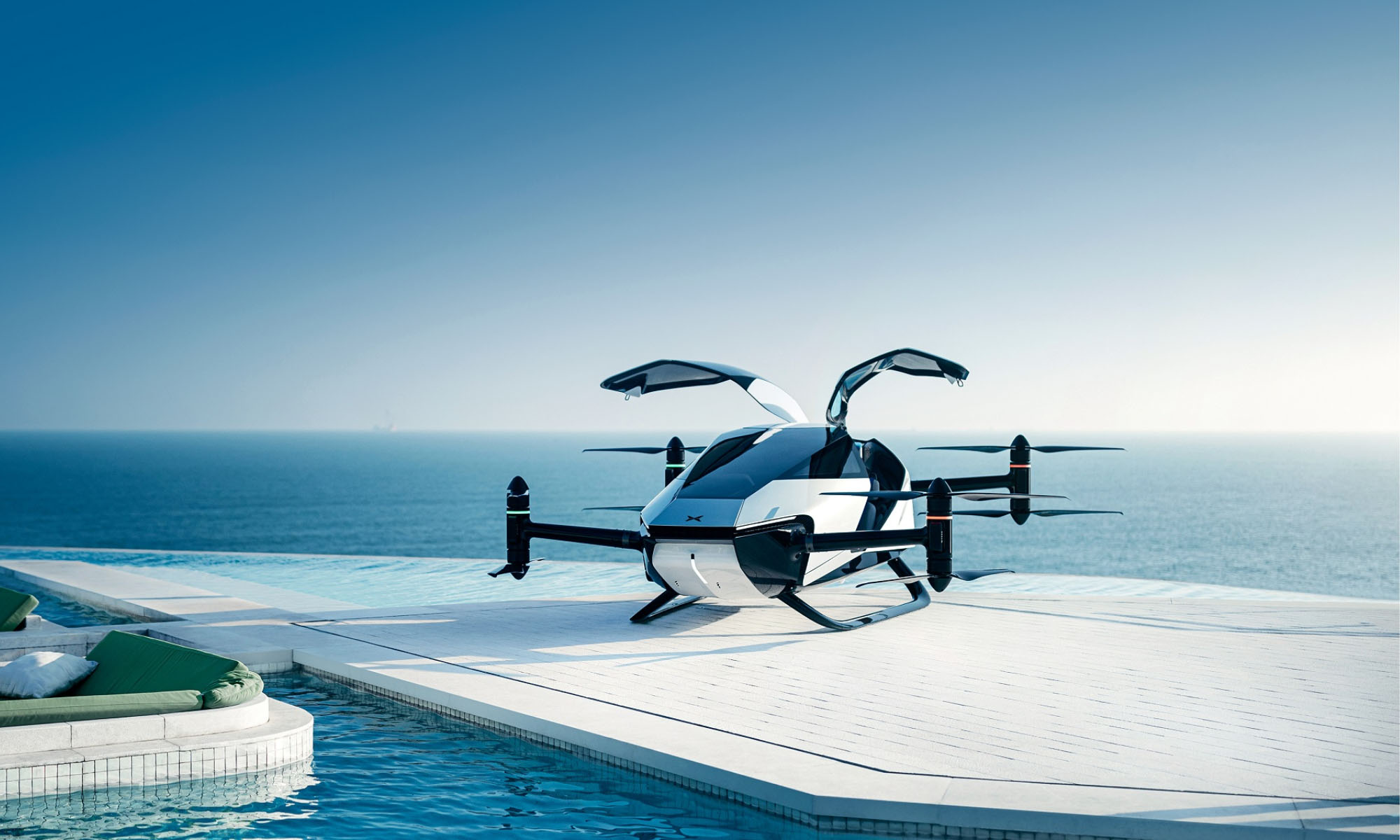
GITEX Global 2022 has been the scene of the first viable flight of an electric car. The eVTOL (electronic Vertical Takeoff and Landing) X2, created by Chinese EV company Xpeng, launched from Skydive Dubai on a successful 90-minute test flight, under the watchful eyes of the Dubai International Chamber.
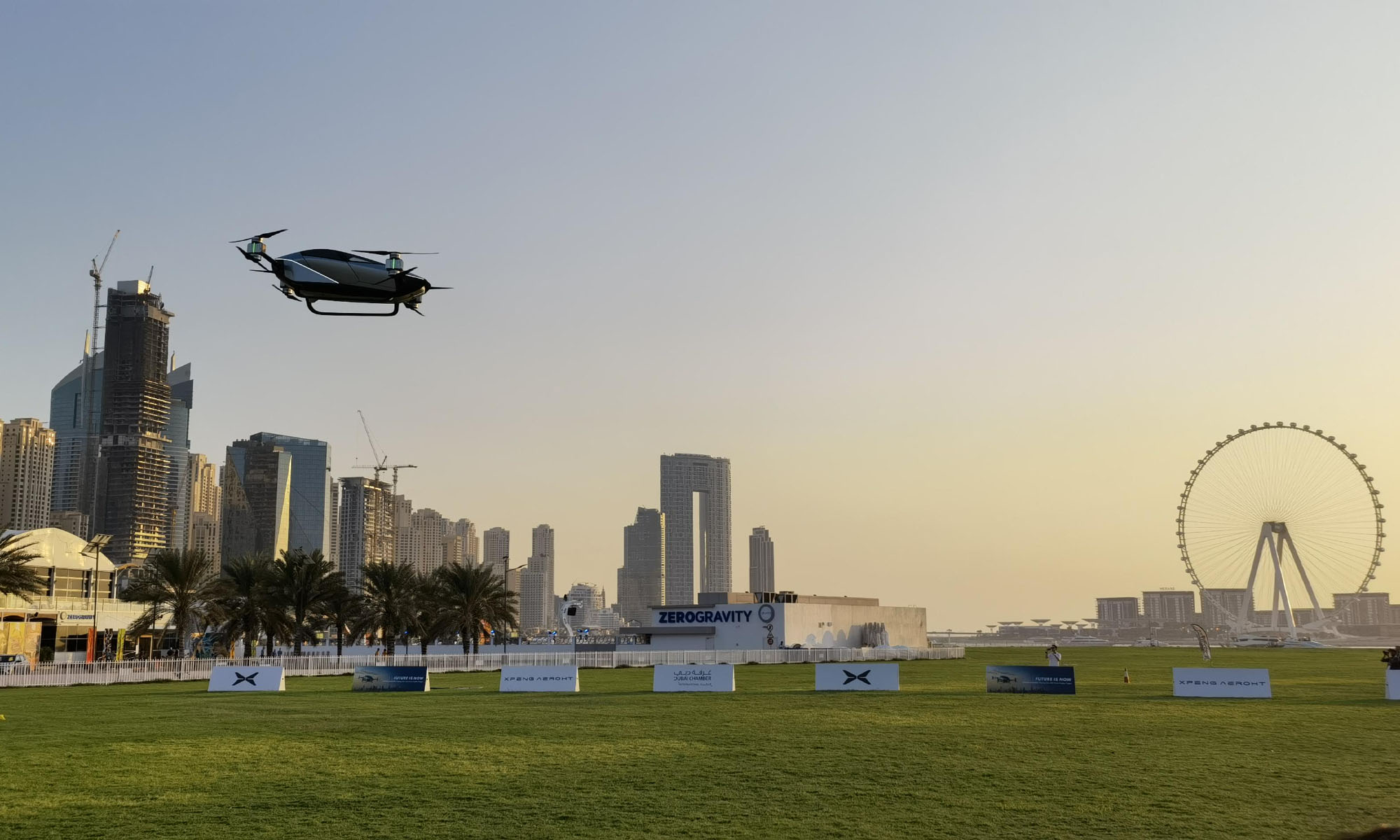
The eVTOL X2 flying car is impressive not just for its aeronautical capabilities, but also because it produces zero carbon dioxide emissions. The vehicle is designed for cruising at 130 km per hour at low altitudes, with a typical flight time of 35 minutes, and skid-style landing gear that’s perfect for touching down on the rooftops of high buildings — perfect for escaping those annoying traffic queues!
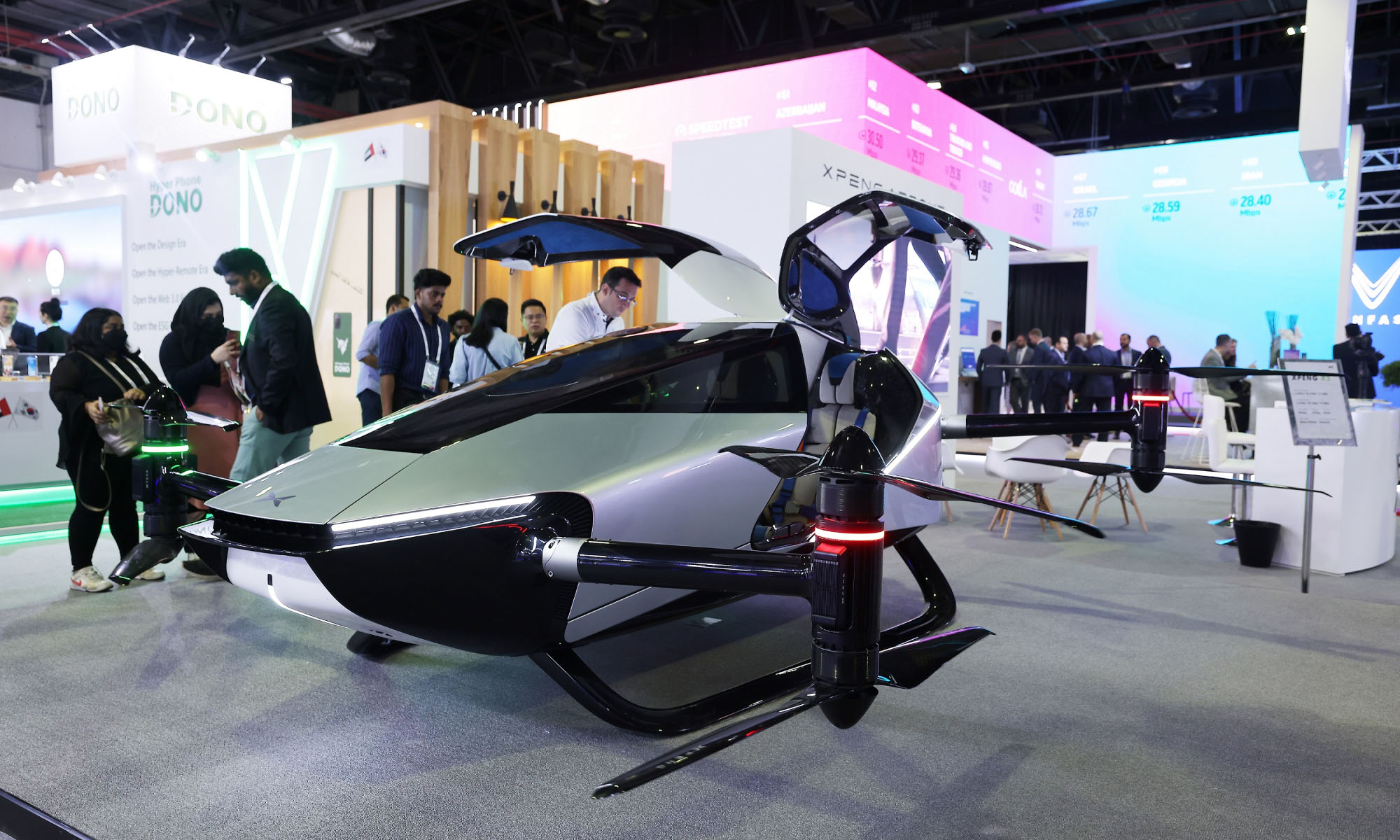
The Emirates News Agency noted that the International Chamber had made great efforts to attract leading international companies to Dubai. The country is now a leader in future technology and innovation and a hub for multinational companies looking to launch high-tech products to global markets.
Also Read: Wisk Aero Unveils Four-Seat Autonomous Air Taxi
The test flight event was further supported by the Dubai Civil Aviation Authority, Dubai’s Department of Economy and Tourism, and the Dubai World Trade Center Authority.
As for the car itself, the futuristic two-seater eVTOL X2 is noteworthy for its intelligent flight control system and ability to fly autonomously. The vehicle is the latest generation of tech developed by XPENG AEROHT. It features 8 propellers with an electric motor powering each one, as well as a carbon fiber shell which helps to keep weight to an impressive 360kg.



News
Nano Banana 2 Arrives In MENA For Google Gemini Users
Google brings its latest image model to Gemini and Search, adding 4K output and tighter text control for regional users.

Google has opened access to Nano Banana 2 across the Middle East and North Africa, pushing its newest image model into everyday tools rather than keeping it inside the exclusive (and expensive) Pro tier.
The rollout spans the Google Gemini desktop and mobile apps, and extends to Google Search through Lens and AI Mode. Developers can also test it in preview via AI Studio and the Gemini API.
Nano Banana 2 runs on Gemini Flash, Google’s fast inference layer. The focus is speed, but also control. Users can export visuals from 512px up to 4K, adjusting aspect ratios for everything from vertical social posts to widescreen displays.
The model maintains character likeness across up to five figures and preserves fidelity for as many as 14 objects within a single workflow. This enables visual continuity across scenes, iterations, or edits — supporting projects like short films, storyboards, and multi-scene narratives. Text rendering has also been improved, delivering legible typography in mockups and greeting cards, with built-in translation and localization directly within images.
Also Read: RØDE Adds Direct iPhone Pairing To Wireless GO And Pro Mics
Under the hood, the system taps Gemini’s broader knowledge base and pulls in real-time information and imagery from web search to render specific subjects more accurately. Lighting and fine detail have been upgraded, without slowing output.
By embedding the model inside Gemini and Search, Google is normalizing advanced image generation for a mass audience. In MENA, where startups and marketing teams are leaning heavily on AI to scale content across languages and borders, that shift lands at a practical moment.
The move also folds creative tooling deeper into search itself, so that image generation is no longer a separate workflow. It now sits right next to the query box.

Nano Banana 2 Arrives In MENA For Google Gemini Users

GluCare Rebrands To Metabolic, Dropping Diabetes-Only Identity

Apple’s March 4 Event Rumored To Put New Macs In Play

Google Adds Arabic AI Music Creation For Ramadan


