
News
MALY Is Helping To Fuel Saudi Arabia’s Fintech Revolution
The KSA is rapidly becoming a MENA fintech leader, and next-gen digital savings platform and money mentor app MALY is one of its key players.

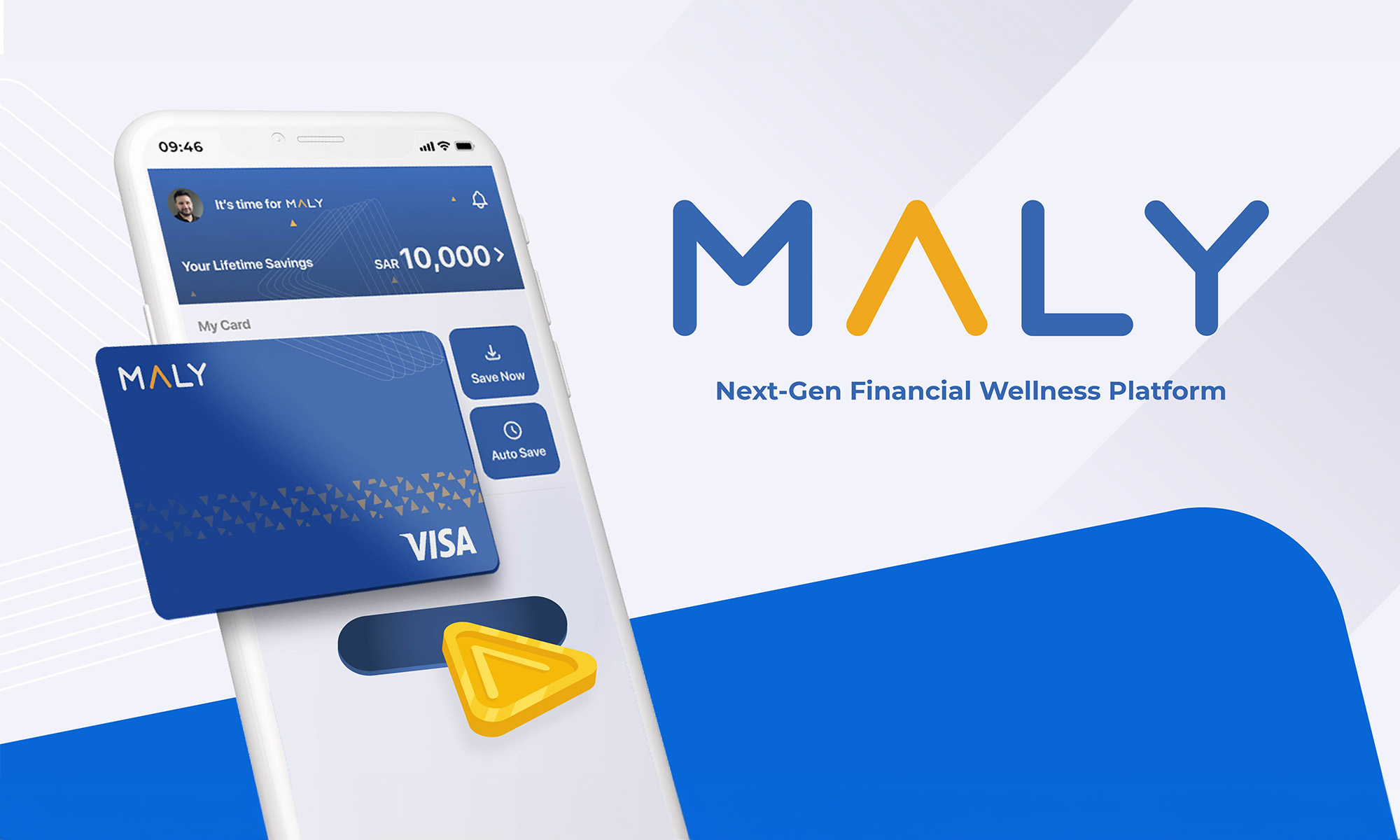
Despite nearly 100% smartphone penetration and a growing awareness of digital platforms, Saudi Arabian officials are concerned by the lack of financial education and the accessibility of financial wellness advice.
Founded in 2022, fintech startup MALY aims to plug this gap, providing users with a financial wellness platform that helps cultivate better money habits, plugging crucial gaps in Saudi Arabia’s struggling consumer savings sector. Mo Ibrahim, MALY’s co-founder and CEO, described the current climate in the KSA:
“Various estimates cite up to 70% of the Saudi population as having no savings […] despite the reality of immense economic challenges. People need help in building healthier relationships with their finances, and fintechs can provide the necessary tools and platforms to enable individual financial wellness”.
Ibrahim says fintech growth in Saudi Arabia will also be aided by the country’s National Fintech Strategy (SNFS). The initiative aims to drive fintech innovation, increase the number of startups in the Kingdom to 230, and grow digital transactions by 70% by 2025.
Also Read: A Guide To Digital Payment Methods In The Middle East
MALY is uniquely positioned to help the KSA achieve its fintech vision. The company’s cutting-edge platform leverages data science and machine learning. According to CEO Mo Ibrahim, MALY is an essential toolbox that helps to automate and manage personal savings and investments while offering debt management tools and investment techniques.
As well as its current suite of financial tools, MALY is also planning an AI-powered Financial Stress Tracker, which will leverage Open Banking to identify patterns indicating financial stress while providing customers with personalized advice and education programs to help them manage their finances.





News
G42’s Inception42 Wants AI To Show Its Work Before Investors Commit
Launched at SuperReturn Middle East, Alpha is pitched at sovereign wealth funds and private equity firms underwriting bigger deals on tighter timelines.
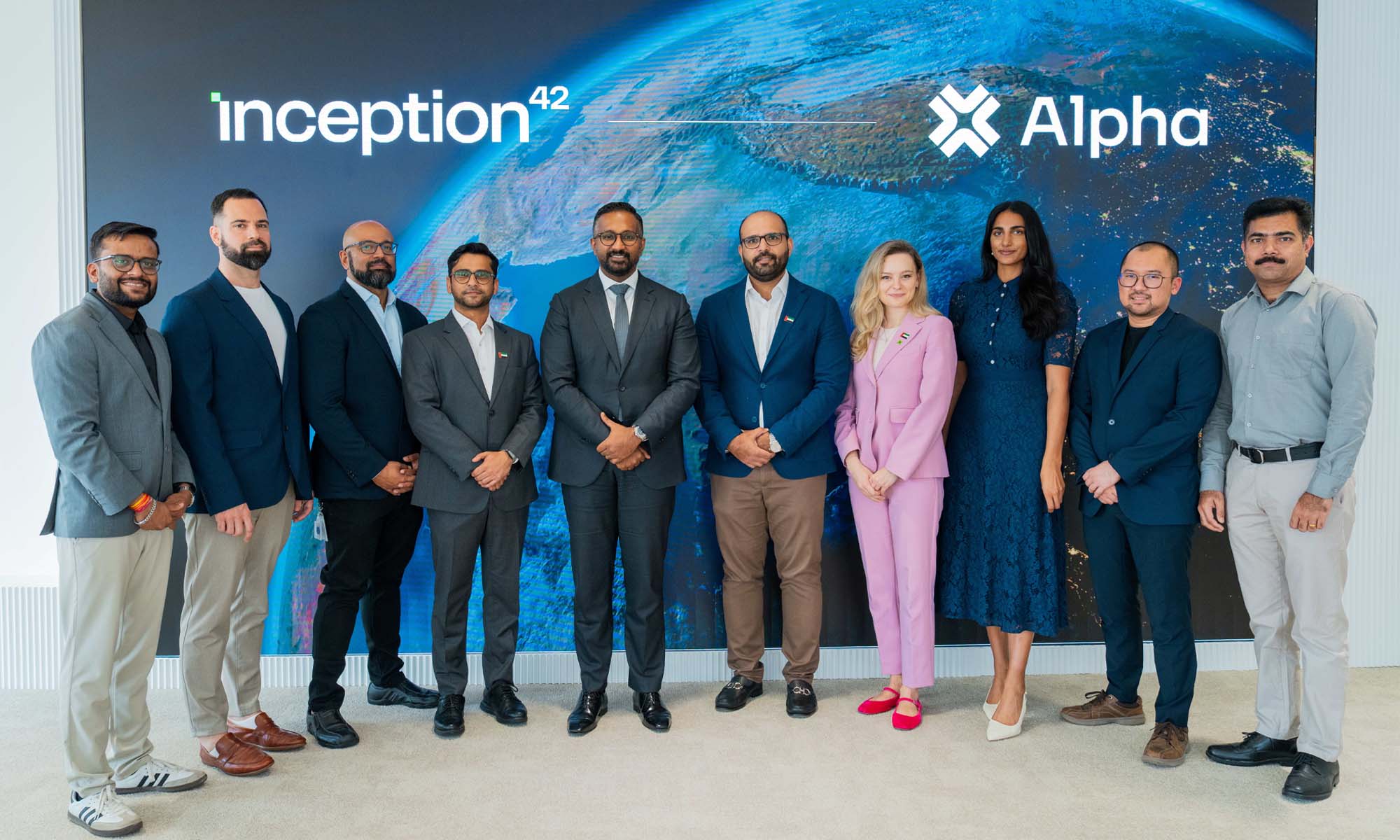
Inception42, G42’s agentic AI company, believes that institutional investors want AI they can check, not just AI that saves time. Its new tool, Alpha, launched at SuperReturn Middle East, is designed to draft investment memos in which every claim points back to its source.
Alpha is aimed at private equity firms, sovereign wealth funds and institutional allocators, which Inception42 says are underwriting larger, more complex positions under tighter timelines. Most AI tools, it argues, speed up individual tasks such as a memo draft or a comps table but leave the investment strategy scattered across files, inboxes and committee decks.
Teams upload Confidential Information Memoranda, diligence packs and portfolio data, which Alpha turns into insights grounded in that material. It checks how complete the diligence is, flagging gaps before they become late-stage surprises, then scores the deal against criteria the institution sets and drafts the memo.
Sourcing every claim is the core of Inception42’s Alpha pitch. Investment committees, the company says, have little time to challenge the evidence, and the audit trail is meant to give them more certainty. The company also promises institutions proof that their own strategy was applied consistently on every deal.
Also Read: Dubai Says Its Deepfake Detector Needs Just 7 Seconds Of Video
“Every investment committee wants the same thing: the full picture of a deal and the confidence to act on it,” says Ashish Koshy, CEO of Inception42. “Alpha gives deal teams and committee members that picture, with every insight traceable to its source, so speed and rigor finally pull in the same direction”.
Alpha is available as SaaS, and investment data, Inception42 says, stays under the institution’s control at every step. Firms can tailor the tool with custom agents, and Alpha Skills will eventually add reusable, practitioner-designed workflows for tasks such as comparables analysis and credit assessment.
The company says Alpha is already proven in the region’s most significant financial institutions. If the tool works as described, committees get an investment memo they can interrogate rather than simply take on trust.

Shokz OpenDots 2 Review: Clip-On Audio Gets A Bass-Heavy Makeover

G42’s Inception42 Wants AI To Show Its Work Before Investors Commit

WHOOP Goes Arabic, Betting On The Gulf’s Appetite For Health Data

New Disney+ Streaming App Has Officially Launched In The UAE

Dubai Says Its Deepfake Detector Needs Just 7 Seconds Of Video

In Kuwait, Your Surgeon Might Be Operating From Another Country

Microsoft Plans $10 Billion-Plus Gulf Expansion Despite Iran Conflict

Qatar Folds 45 State Companies Into A Single Investment Platform

NEOPAY Wants To Follow Merchants Across Channels And Borders

RØDE’s Low-Profile Studio Arm Is Designed To Stay Out Of Shot


-
 News3 weeks ago
In Kuwait, Your Surgeon Might Be Operating From Another Country
-
 News3 weeks ago
Microsoft Plans $10 Billion-Plus Gulf Expansion Despite Iran Conflict
-
 News3 weeks ago
Qatar Folds 45 State Companies Into A Single Investment Platform
-
 News2 weeks ago
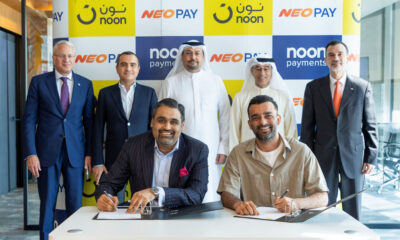
NEOPAY Wants To Follow Merchants Across Channels And Borders