
News
Mobile Trends Shaping MENA In 2024
Explore the dynamic mobile trends shaping MENA in 2024, from the widespread adoption of 5G, to the rise of super apps, mobile e-commerce growth, the key role of affiliate marketing, and more.


The mobile industry landscape in the MENA region is evolving at an unprecedented pace, driven by technological advancements, changing consumer behaviors, and the ever-growing demand for connectivity.
As we delve into 2024, let’s explore the key mobile trends. Alexander Kryvosheiev, CEO of mobile performance network Mobmio, leveraged his experience of collaboration with hundreds of mobile apps to determine factors that are currently shaping the mobile landscape in this dynamic region.
5G Continued Adoption
Significant investments in infrastructure promise faster internet speeds, low latency, and enhanced connectivity. Countries like the UAE, Saudi Arabia, Oman, Kuwait, Bahrain, and Qatar have already rolled out commercial 5G services, with others, including Turkey, Jordan, Lebanon, and Iran, planning their implementation. Visionary development plans such as Saudi Arabia’s Vision 2030 and Qatar’s National Vision 2030 underscore the region’s commitment to digital transformation.
Rise Of Super Apps
Super apps are gaining prominence in the MENA region, offering users a comprehensive experience by integrating multiple services into a single platform. Going beyond traditional functionalities, these apps seamlessly combine messaging, e-commerce, ride-hailing, and more. Local and international companies are investing in the development and expansion of super apps, promising users a more integrated and efficient mobile experience.
Mobile e-Commerce Growth
E-commerce is experiencing significant growth in MENA, with mobile devices playing a central role. According to Mobmio’s data, mobile sales in MENA grew by an impressive 20% in H1 of 2023 YoY, with over half of all orders placed through mobile phones. Businesses are optimizing their platforms for mobile accessibility, and mobile payment solutions, including digital wallets and contactless payments, are gaining widespread popularity, aligning with the region’s push toward a cashless economy.
Affiliate Marketing Is The Key For App Growth And Monetization
Affiliate marketing emerges as one of the key instruments for app growth in 2024, providing a cost-effective means to expand an app’s reach. Collaborating with partners through platforms like Mobmio can lead to increased installs, higher user engagement, and potential revenue-sharing opportunities. The affiliate marketing channel also gives mobile apps an additional monetization stream. Mobmio estimates that global revenues of mobile partners grew by 20% in the first half of 2023 – and the second half of the year is expected to show even stronger growth in app revenue from affiliate sources.
Quality Of Traffic Matter
Both mobile applications and the brands are placing a heightened focus on the quality of traffic. In 2024, the development of proprietary anti-fraud systems or partnerships with contractors, such as affiliate networks and agencies, capable of addressing this concern, will be crucial for app owners.
Alternative Traffic Sources Gain Popularity
Alternative mobile traffic sources, such as messengers and TikTok, continue to gain prominence in 2024. The sales share through these platforms is expected to grow in MENA, and mobile applications are actively utilizing them to expand their user base. The high engagement levels and inherently mobile nature of these platforms provide nearly seamless user acquisition channels for applications.
The mobile landscape in the MENA region for 2024 is characterized by innovative trends that promise to reshape how individuals connect, consume content, and engage with digital services. From the widespread adoption of 5G to the rise of super apps and the surge in digital commerce, the MENA region is on the verge of a mobile revolution. As businesses and consumers embrace these trends, the mobile industry in MENA is set to play a pivotal role in shaping the region’s digital future.

News
Visa’s Return To Syria Starts With A Test And A Bank In Lebanon
Foreign visitors will be the first users to benefit, but whether Syria’s own banks and cardholders follow is still an open question.

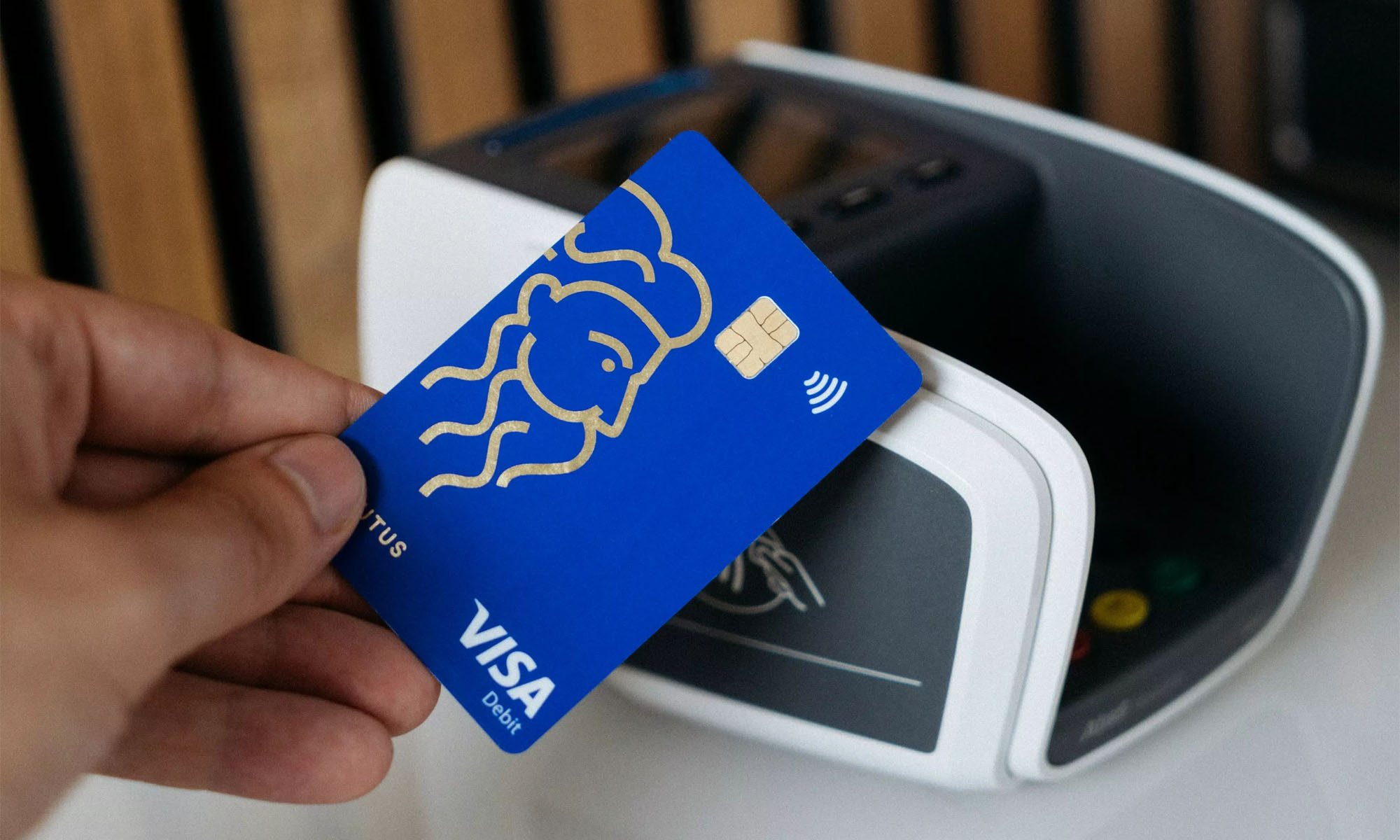
Visa is returning to Syria. Its first live international card transaction in the country was a test rather than a launch, and the milestone event ran through a Lebanese bank.
The acquirer (the bank on the merchant’s side of a card payment) was Fransabank Lebanon, with Paymera as the other named partner. Nadim Moujaes, who heads a Fransabank Group subsidiary, describes the test as both the culmination of “longstanding efforts to link Syria back to international payment networks” and “the first step in a larger path”.
Syrian President Ahmed Al-Sharaa makes the first electronic payment in Syria using a @Visa card at a store in Damascus, following the lifting of US sanctions on Syria. pic.twitter.com/lpAN7nQ6Fc
— Tech Magazine (@TechMGZN) August 27, 2026
“We are excited to have successfully tested live transactions today as we plan to enable international visitors to use their Visa cards while in Syria,” says Leila Serhan, Visa’s senior vice president and group country manager for the North Africa, Levant and Pakistan region. Although a significant first step, that plan doesn’t come with a hard date for when a visitor’s card will work normally.
Mohammed Safwat Raslan, governor of the Central Bank of Syria, says the test paves the way for international card acceptance in Syria and that maintaining strong compliance, risk management and operational controls will remain essential. Serhan likewise stresses that Visa has worked within applicable legal, regulatory and compliance requirements. For a test transaction, it seems there was a great deal of attention paid to the rules, with the entire operation being carefully managed.
Also Read: Lebanon’s 5G Era Begins With 150 Stations And A $1M Budget
The test is the latest step in a sequence that began in December 2025, when Visa announced a strategic roadmap to support Syria’s integration into the global digital economy. In February 2026 it hosted its first industry gathering of banks, ecosystem partners and policymakers in Damascus and, the same month, signed an agreement with Syria’s Ministry of Communications and Information Technology in San Francisco.
Michel Kattouah, Paymera’s CEO, called the test “the return of international card acceptance,” but while that’s positive news, there’s no word yet on when a Syrian bank will issue a Visa card to a Syrian customer.

Visa’s Return To Syria Starts With A Test And A Bank In Lebanon

RØDE’s New DS3 Studio Arm Is Built For Heavier Creator Setups

Dubai Turns AI On Its Own Civil Service To Measure Productivity

Former Rockstar Director Dismisses GTA 6 Leaks As “Nothing Burger”

Qatar Airways Flies The World’s First Starlink-Equipped 787-9

Spotify Will Now Tell You If Your Favorite Artist Isn’t Real

Instagram Redraws Its Wordmark And The Internet Reads “Instagzam”

Anghami’s New Elite Program Starts With A Three-Decade Catalog

Qatar Is Getting Its First EV Plant, Built To Cope With Gulf Heat

Dubai’s aradus Wants AI To Run The Back Office Of Physical Trade


-
 News4 weeks ago
Instagram Redraws Its Wordmark And The Internet Reads “Instagzam”
-
 News3 weeks ago
Anghami’s New Elite Program Starts With A Three-Decade Catalog
-
 News3 weeks ago
Qatar Is Getting Its First EV Plant, Built To Cope With Gulf Heat
-
 News3 weeks ago
Dubai’s aradus Wants AI To Run The Back Office Of Physical Trade