
News
Admitad Is Now “Mitgo”, With Big Investment Planned By 2025
As a multinational company with assets in MarTech, FinTech and more, Mitgo plans to play a big role in the MENA region’s future.

Amitad, a global Performance Marketing platform and IT solutions provider, is morphing into “Mitgo”, which will become the new parent holding company for the wider Admitad group.
The move aims to simplify the current corporate structure, allowing the separate entities within the group to develop more freely, alongside plans to launch a startup incubator and entrepreneur network.
Over the past five years, Admitad has seen strong growth in the MENA region, having spent over $30 million in acquisitions and various new project launches. In 2022, the provider’s solutions generated in excess of 130 million orders for 35,000 online merchants and monetized the audiences of 100,000 publishers.
To coincide with the group’s restructuring, founder Alexander Bachmann will step in as CEO of the newly-formed Mitgo.
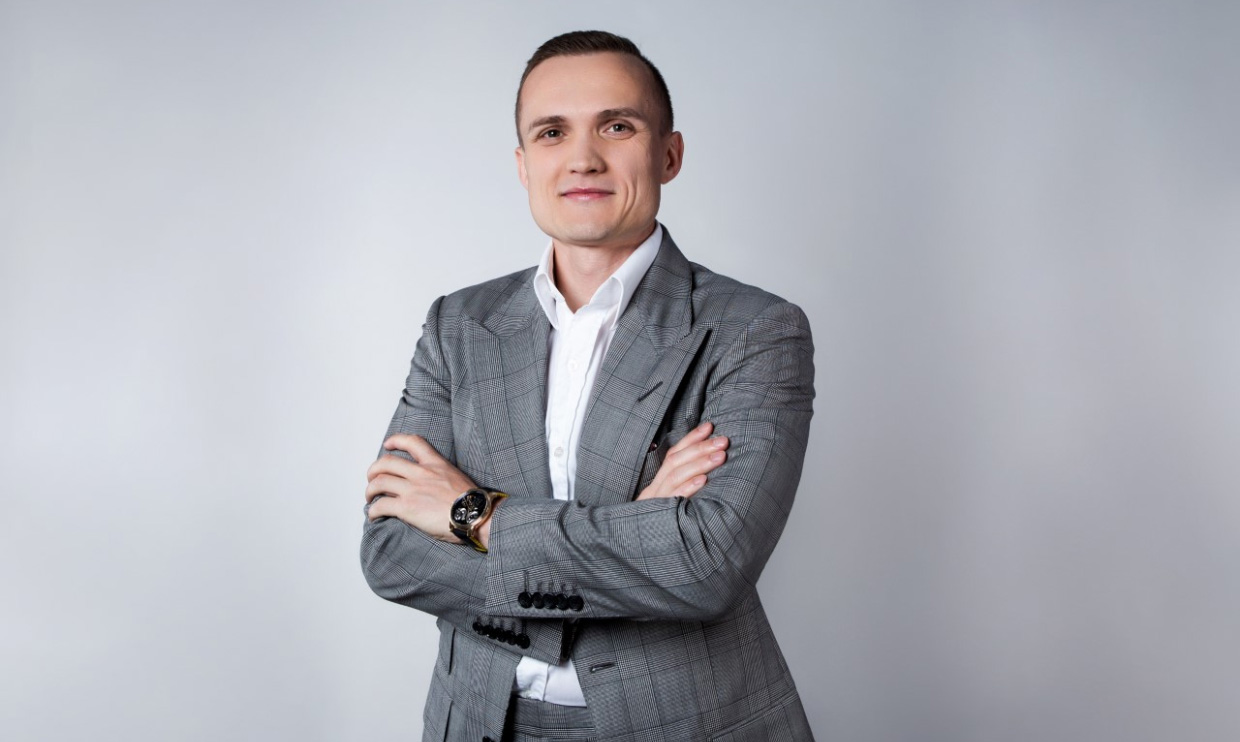
“The worldwide economy is changing rapidly. By developing its products and investing in promising new projects, Mitgo will make a major contribution to the development of industries such as eCommerce, AdTech, and MarTech. An innovation-focused approach is the very backbone of Mitgo’s business operation. This new company structure will allow us even more freedom to launch ventures, acquire, invest – and attract investment,” says Alexander Bachmann, Mitgo CEO.
Also Read: myAster App Will Connect Patients To Doctors In 30 Minutes
In addition to contributing to various MENA industries, Mitgo will also form a startup incubator, supporting grass-roots initiatives and helping to drive funding to promising new ventures.
As well as offices in 10+ countries and a team of over 700 professionals, Mitgo boasts an extensive family of companies under its umbrella. From coupon and voucher advertising solutions such as FairSavings to influencer marketing from ConvertSocial, the group continues to grow from strength to strength, with further investments of $75-$100 million planned before 2025.







News
Syria Just Got Its First Super App Featuring Built-In Digital Payments
Built by UAE-based Syrian founders with the Ministry of Tourism’s backing, My Syria lands as visitor numbers more than double.
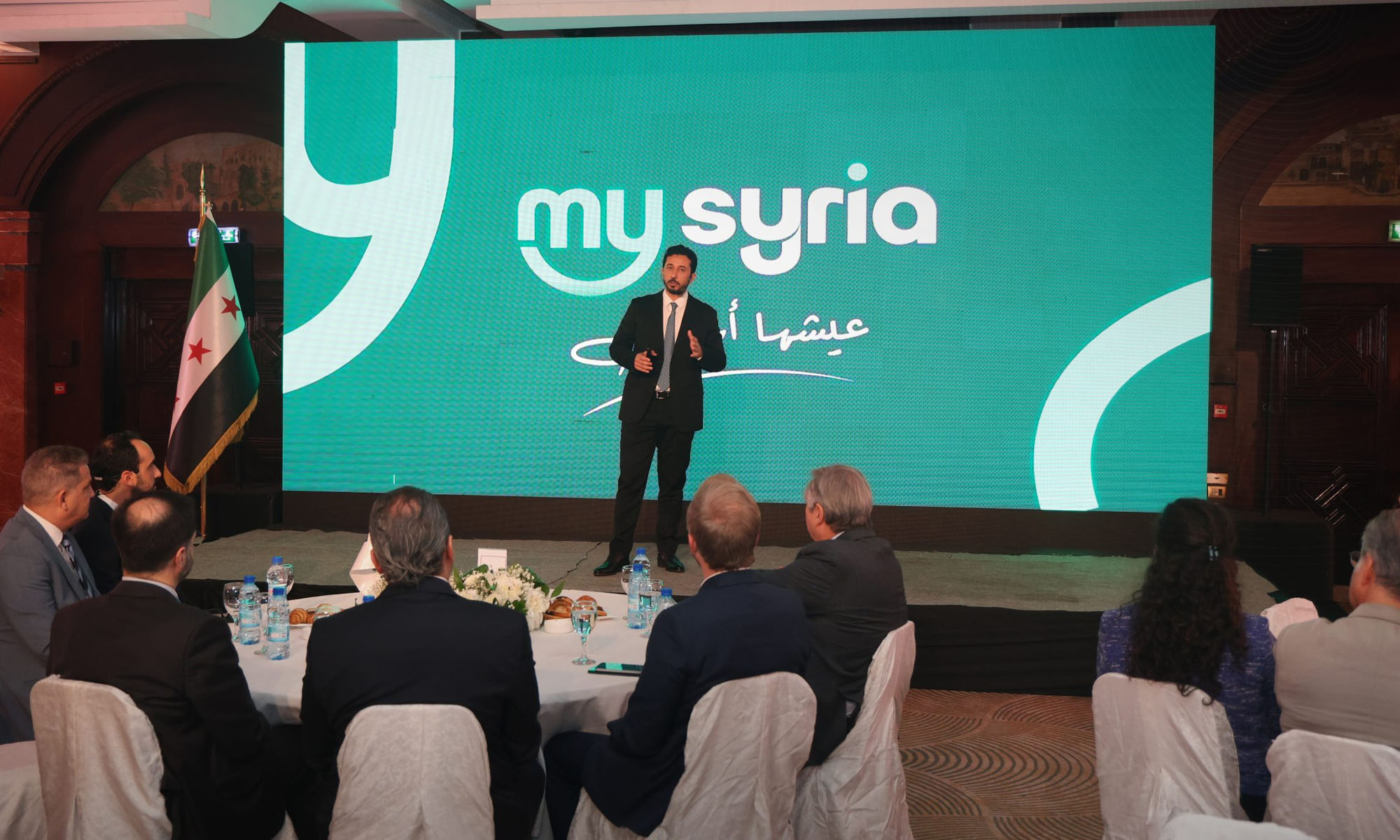
For most of the past decade, paying for anything in Syria with an international card was effectively impossible. Sanctions, a collapsed banking sector, and years of isolation left the country running on cash. That is what makes the launch of My Syria — the country’s first super app — more than a routine product announcement.
Developed by 121 Living, a company founded by four UAE-based Syrian entrepreneurs — Rami Kaiem, Feras Kaiem, Waseem Qudmani, and Kinan Madi — the app launched in Damascus on July 30 under the patronage of Minister of Tourism Mazen Al-Salhani. It bundles hotels, restaurants, transport, attractions, food delivery, and other lifestyle services into a single platform, currently offering eight services with plans to expand to more than 40 verified tourism and hospitality providers across the country.
Although the app already sounds enticing, the headline feature is its built-in payments. My Syria is the first platform in Syria to support cross-border digital payments through Apple Pay, Google Pay, Visa, Mastercard, and American Express — familiar tools for international visitors, and a route into the digital economy for local businesses that have long operated outside it.
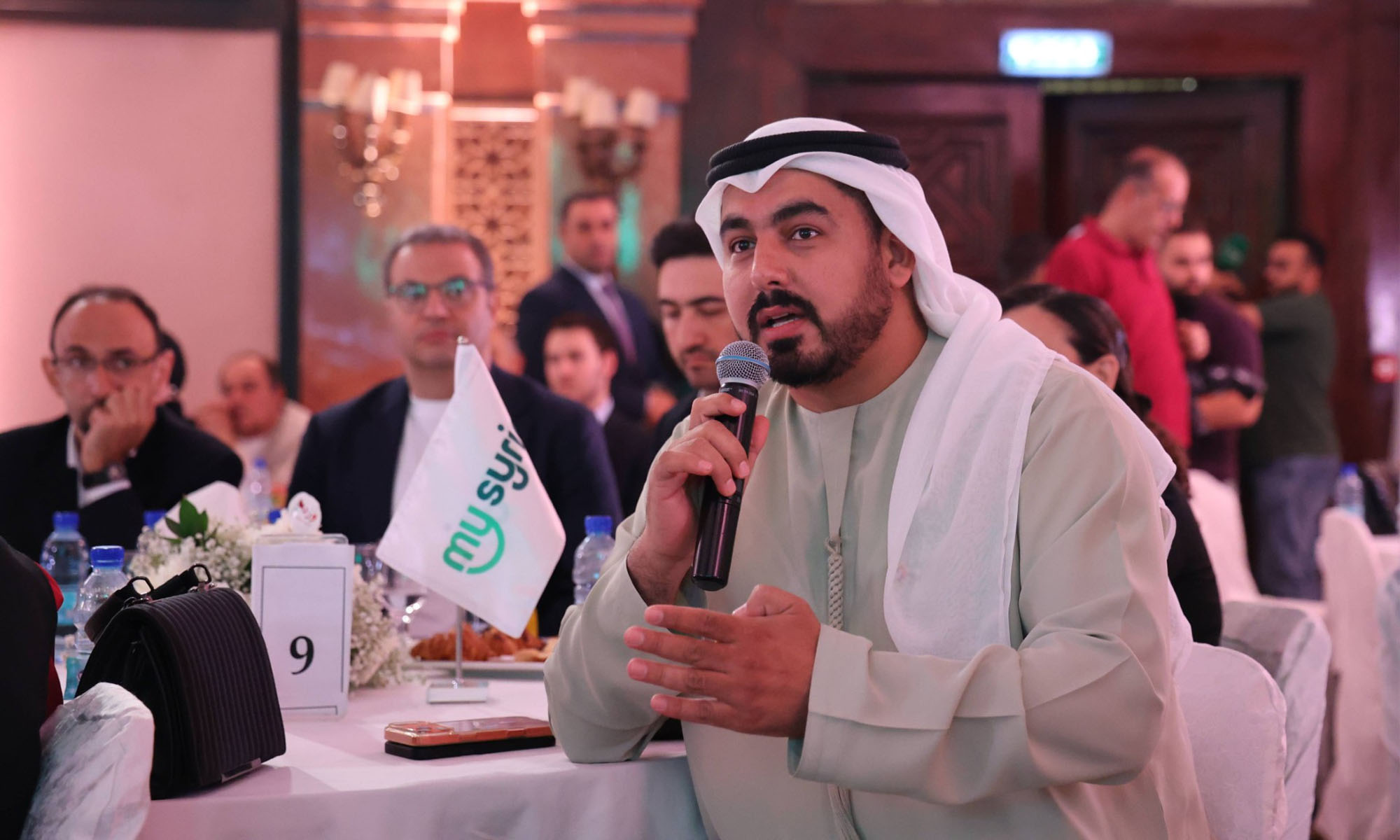
The launch rides on a sharp rebound for the troubled country. Syria’s tourism sector recorded 3.52 million visitor arrivals in the first half of 2026, a 111 percent increase over the 1.67 million during the same period in 2025 — a mix of returning expatriates, regional visitors, and international tourists.
Also Read: This UAE Platform Wants To Replace Fashion Photo Shoots With AI
The Ministry of Tourism, which supported and supervised the app’s development, frames the launch as proof of concept for a wider strategy. “Digital transformation is one of the Ministry’s strategic priorities because it enables us to build a more competitive, connected and investment-ready tourism sector,” Al-Salhani said, inviting technology companies “globally, regionally and locally” to explore opportunities across the wider economy.
For 121 Living, this is phase one, with additional services and expanded geographic coverage planned. Whether a super app can flourish in a market still rebuilding its infrastructure is an open question, but for the first time in years, a visitor to Damascus can pay for dinner with their phone.

Syria Just Got Its First Super App Featuring Built-In Digital Payments

Shokz OpenFit Pro Review: Open-Ear Audio Finally Grows Up

This UAE Platform Wants To Replace Fashion Photo Shoots With AI

Nike And Hyperice’s New Slides Heat And Vibrate Your Feet

Samsung’s Fold Goes Wide, And The Whole Galaxy Range Gets Pricier

Meta’s New AI Tool Builds Images From Public Instagram Photos

TikTok Hopes Labels And Literacy Will Tame AI-Generated Content

Tamper With The Recording LED & Meta’s Glasses Kill Camera

YouTube Rolls Out Supervised Children’s Accounts Across MENA

Samsung’s Galaxy Watch 9 And Ultra 2 Specs Leak Ahead Of Unpacked


-

 News2 months ago
LUVED Is A New Curated Preloved Marketplace For The UAE
-
 News2 months ago
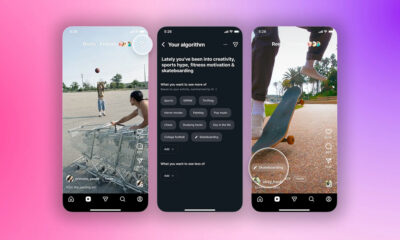
Instagram Now Lets You Tune Its Algorithm, But There’s One Big Catch
-

 News2 months ago
Max Fashion Brings AI Virtual Try-Ons To Gulf Online Shoppers
-

 News2 months ago
Deezer’s Free AI Detector Reveals What’s Hiding In Your Playlists